


Winemaker Notes
The 2021 vintage started with a mild, snowy winter that provided important water reserves for the dry season ahead. A spring frost affected some of the vineyards and overall vine growth remained steady. A warm, dry summer with good diurnal shifts allowed Nebbiolo to ripen slowly and beautifully. Harvest ran from late September to mid-October, yielding healthy clusters with firm tannins and vibrant acidity. Despite a few climatic challenges, the 2021 vintage is considered to be a very good - and possibly even an excellent vintage - as it produced structured, well-balanced wines with exceptional aging potential.
Professional Ratings
-
Robert Parker's Wine Advocate
Showing firm structure and a bold fruit profile, the Ceretto 2021 Barolo Prapò reveals a dark core with crushed stone, iron oxide and candied cherry. Prapò never holds back in terms of intensity. This site has a unique ripening cycle that means harvest comes 10 days later, giving the fruit more time to develop complexity. This wine is just terrific.
-
James Suckling
A restrained and elegant wine with licorice, strawberries, bergamot and smoke on the nose. Smooth on the palate, with a lush full body, velvety tannins and freshness. Very approachable despite the structure. Lifted finish. Drinkable now, but best from 2026.
-
Vinous
The 2021 Barolo Prapò is a dark, brooding wine, but then again, we are in Serralunga. Dried herbs, coffee, menthol, cloves, leather and iron convey somber intensity. The tannins are quite imposing, but that is to be expected here.
-
Wine Spectator
Lithe and linear, this red boasts cherry, strawberry, hibiscus, leather, iron and eucalyptus flavors. Tightly wound, with the dense matrix of tannins lending lift and aging potential. Shows fine length but needs time.
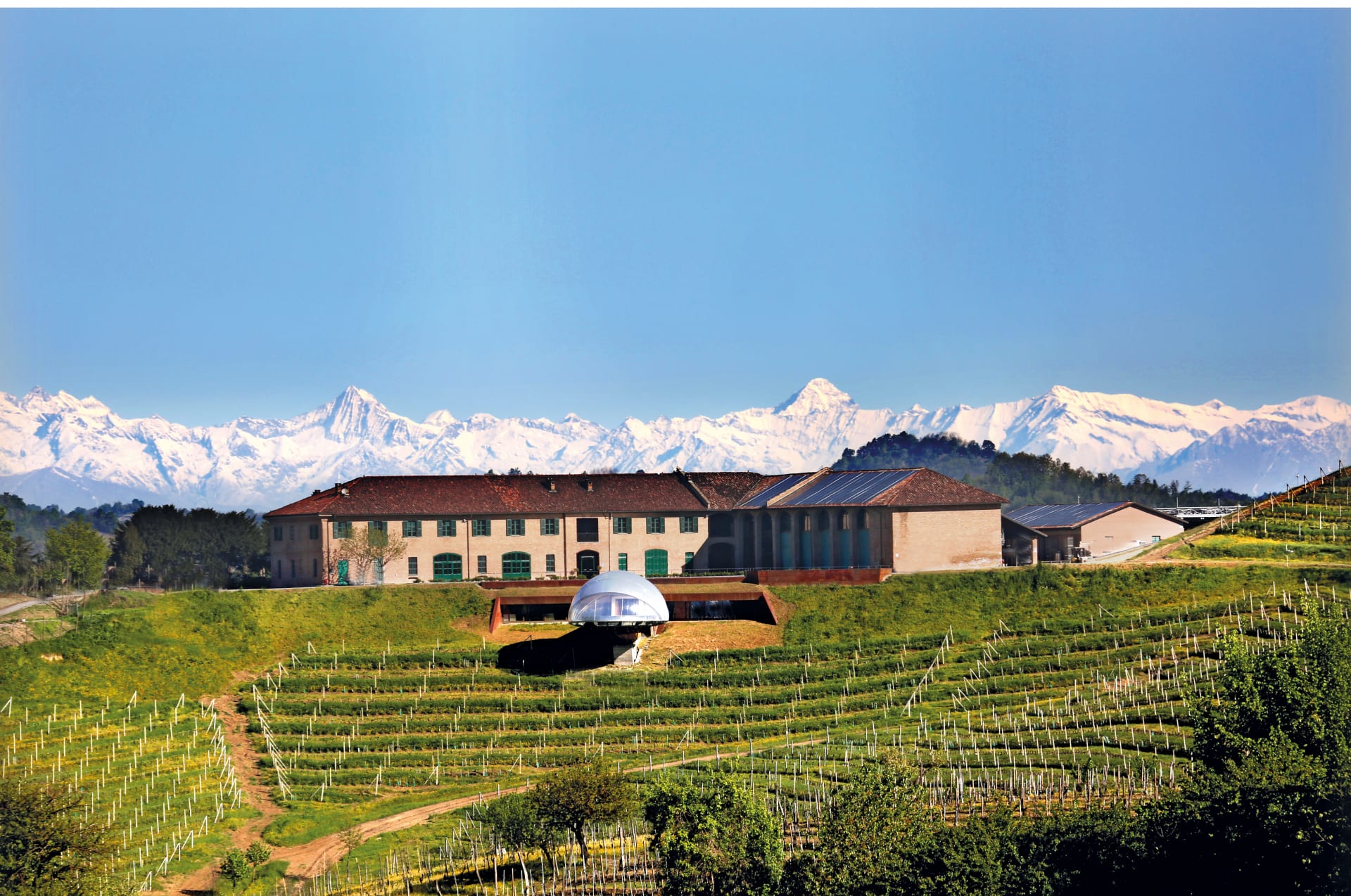



"The Langhe hills of Piedmont constitute that area of northern Italy where the wide and flat Pò river valley suddenly disappears and gives way on all sides to hulking and precipitous slopes. The Langhe hills are more than hills. They are ancient and rugged earth. Their narrow peaks are topped by castles, and they are thick to the horizon with grapevines. The Langhe hills are home to a small group of farmers and winemakers who, together, have succeeded in creating some of the planet’s finest expressions of place.
The Ceretto family is among that fortunate group. For three generations members of the Ceretto family have transformed the fruit of the Langhe’s vineyards into wines that speak of the regions identity. The famed Italian gastronome and intellectual Luigi Veronelli wrote, ""The land, the land, the land, the land, always, the land."" This philosophy is central to the Ceretto family. Reverence for this land has passed from Riccardo, who blended fruit from the region’s best vineyards, to Bruno and Marcello, who purchased Langhe vineyards and began bottling single crus, and finally to Alessandro, who is taking the winery into the 21st century by using natural methods to foster vines that are stronger, healthier, and more in balance with their environment. The Ceretto family has always been committed to producing the most expressive and authentic wines their land can yield."

Responsible for some of the most elegant and age-worthy wines in the world, Nebbiolo, named for the ubiquitous autumnal fog (called nebbia in Italian), is the star variety of northern Italy’s Piedmont region. Grown throughout the area, as well as in the neighboring Valle d’Aosta and Valtellina, it reaches its highest potential in the Piedmontese villages of Barolo, Barbaresco and Roero. Outside of Italy, growers are still very much in the experimentation stage but some success has been achieved in parts of California. Somm Secret—If you’re new to Nebbiolo, start with a charming, wallet-friendly, early-drinking Langhe Nebbiolo or Nebbiolo d'Alba.

The center of the production of the world’s most exclusive and age-worthy red wines made from Nebbiolo, the Barolo wine region includes five core townships: La Morra, Monforte d’Alba, Serralunga d’Alba, Castiglione Falletto and the Barolo village itself, as well as a few outlying villages. The landscape of Barolo, characterized by prominent and castle-topped hills, is full of history and romance centered on the Nebbiolo grape. Its wines, with the signature “tar and roses” aromas, have a deceptively light garnet color but full presence on the palate and plenty of tannins and acidity. In a well-made Barolo wine, one can expect to find complexity and good evolution with notes of, for example, strawberry, cherry, plum, leather, truffle, anise, fresh and dried herbs, tobacco and violets.
There are two predominant soil types here, which distinguish Barolo from the lesser surrounding areas. Compact and fertile Tortonian sandy marls define the vineyards farthest west and at higher elevations. Typically the Barolo wines coming from this side, from La Morra and Barolo, can be approachable relatively early on in their evolution and represent the “feminine” side of Barolo, often closer in style to Barbaresco with elegant perfume and fresh fruit.
On the eastern side of the Barolo wine region, Helvetian soils of compressed sandstone and chalks are less fertile, producing wines with intense body, power and structured tannins. This more “masculine” style comes from Monforte d’Alba and Serralunga d’Alba. The township of Castiglione Falletto covers a spine with both soil types.
The best Barolo wines need 10-15 years before they are ready to drink, and can further age for several decades.