


Winemaker Notes
If there is one vineyard that could be considered the absolute standard from the appellation of Barbaresco DOCG, this would be Asili. Known for producing wines with consistent finesse and power, Barbarescos from Asili are also known for their great elegance and longevity. The Asili vineyard area owned by the Ceretto family is located behind the flagship estate that Bruno & Marcello Ceretto founded in 1973. Pictured on the wine’s label, the vineyard is south-southwest facing and reaches up to 950 feet (290 meters) above sea level at its peak, or ‘Bricco’. The soil here is marked by the heavy presence of Marl from Santa Agata Fossili and due to the vineyard’s specific undulations and microclimate, it is considered a standalone pocket of production. The grapes from this unique site have been vinified separately as a single vineyard since the early 1970s and is one of the Ceretto family’s most well-known crus.
Professional Ratings
-
James Suckling
A linear and racy red with chocolate powder, orange peel and dried strawberry aromas with some cherry character. Medium body, firm tannins and a fresh finish. Needs three or four years to soften.
-
Vinous
The 2021 Barbaresco Asili is the most delicate and sensual of the Barbarescos. Crushed red berry fruit, mint, spice and kirsch are all laced together. Bright acids and clean mineral notes give the 2021 notable tension and energy. The 2021 is a gorgeous wine that shows more young classic austerity than Asili sensuality, at least today.
Rating: 94+ -
Wine Enthusiast
Rich and ripe, this wine boasts dark spice notes complemented aromas of herbal undertones with a steady wild berry note. Sturdy and classic, it offers a cascade black cherry, spiced plum, and both fresh and preserved wild raspberries. Balanced between finesse and power, it's truly a stunner that will go deep into the future. Drink from 2026.
-
Wine Spectator
Harmony is one of the strong points of this supple red, which exudes cherry, raspberry, blackberry and floral aromas and flavors. Tightens up, given its youthfulness and exuberant structure, remaining elegant and long. Eucalyptus and white pepper accent the aftertaste. Best from 2028 through 2045. 35 cases imported.
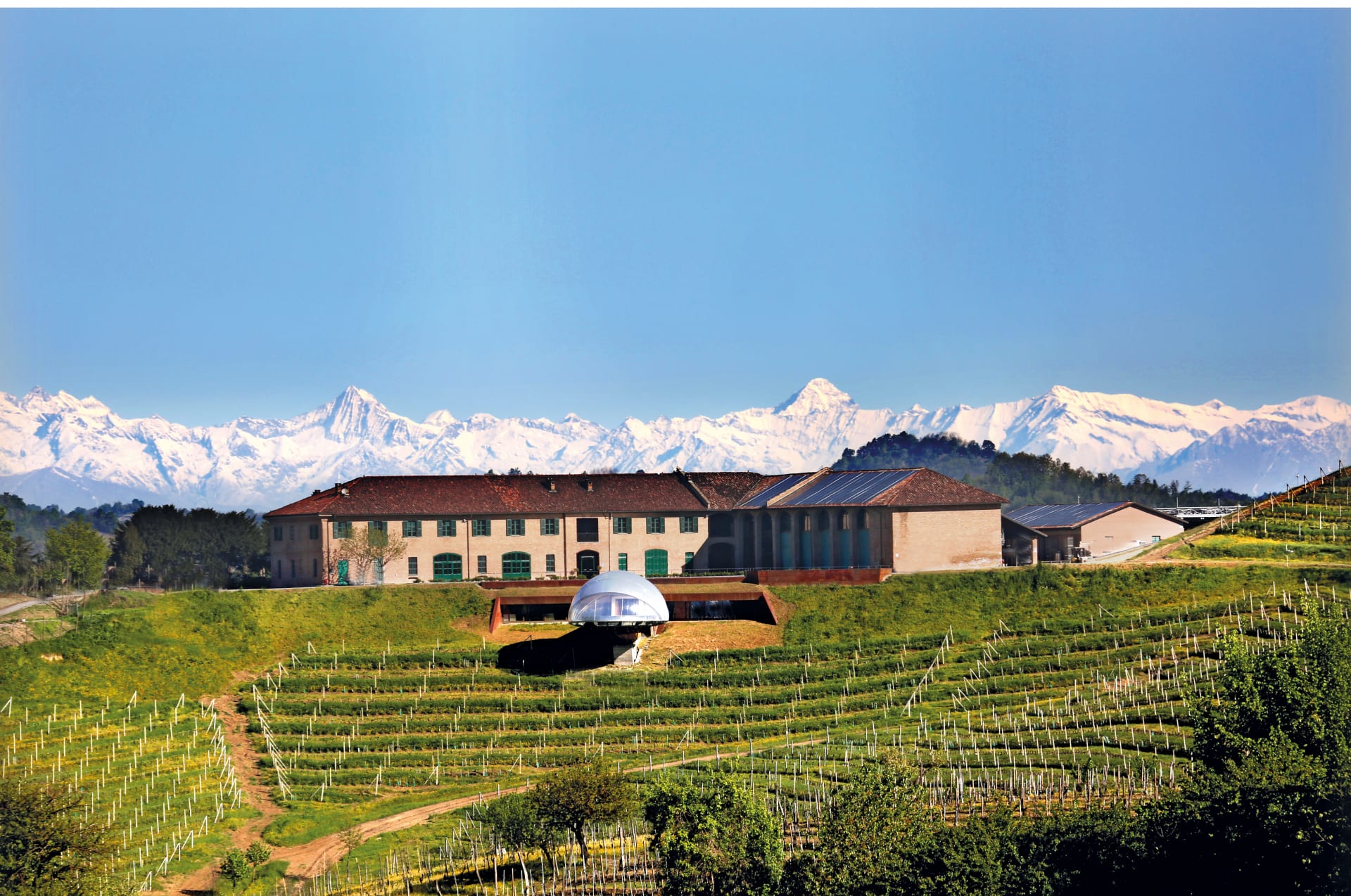




"The Langhe hills of Piedmont constitute that area of northern Italy where the wide and flat Pò river valley suddenly disappears and gives way on all sides to hulking and precipitous slopes. The Langhe hills are more than hills. They are ancient and rugged earth. Their narrow peaks are topped by castles, and they are thick to the horizon with grapevines. The Langhe hills are home to a small group of farmers and winemakers who, together, have succeeded in creating some of the planet’s finest expressions of place.
The Ceretto family is among that fortunate group. For three generations members of the Ceretto family have transformed the fruit of the Langhe’s vineyards into wines that speak of the regions identity. The famed Italian gastronome and intellectual Luigi Veronelli wrote, ""The land, the land, the land, the land, always, the land."" This philosophy is central to the Ceretto family. Reverence for this land has passed from Riccardo, who blended fruit from the region’s best vineyards, to Bruno and Marcello, who purchased Langhe vineyards and began bottling single crus, and finally to Alessandro, who is taking the winery into the 21st century by using natural methods to foster vines that are stronger, healthier, and more in balance with their environment. The Ceretto family has always been committed to producing the most expressive and authentic wines their land can yield."

Responsible for some of the most elegant and age-worthy wines in the world, Nebbiolo, named for the ubiquitous autumnal fog (called nebbia in Italian), is the star variety of northern Italy’s Piedmont region. Grown throughout the area, as well as in the neighboring Valle d’Aosta and Valtellina, it reaches its highest potential in the Piedmontese villages of Barolo, Barbaresco and Roero. Outside of Italy, growers are still very much in the experimentation stage but some success has been achieved in parts of California. Somm Secret—If you’re new to Nebbiolo, start with a charming, wallet-friendly, early-drinking Langhe Nebbiolo or Nebbiolo d'Alba.

A wine that most perfectly conveys the spirit and essence of its place, Barbaresco is true reflection of terroir. Its star grape, like that in the neighboring Barolo region, is Nebbiolo. Four townships within the Barbaresco zone can produce Barbaresco: the actual village of Barbaresco, as well as Neive, Treiso and San Rocco Seno d'Elvio.
Broadly speaking there are more similarities in the soils of Barbaresco and Barolo than there are differences. Barbaresco’s soils are approximately of the same two major soil types as Barolo: blue-grey marl of the Tortonion epoch, producing more fragile and aromatic characteristics, and Helvetian white yellow marl, which produces wines with more structure and tannins.
Nebbiolo ripens earlier in Barbaresco than in Barolo, primarily due to the vineyards’ proximity to the Tanaro River and lower elevations. While the wines here are still powerful, Barbaresco expresses a more feminine side of Nebbiolo, often with softer tannins, delicate fruit and an elegant perfume. Typical in a well-made Barbaresco are expressions of rose petal, cherry, strawberry, violets, smoke and spice. These wines need a few years before they reach their peak, the best of which need over a decade or longer. Bottle aging adds more savory characteristics, such as earth, iron and dried fruit.