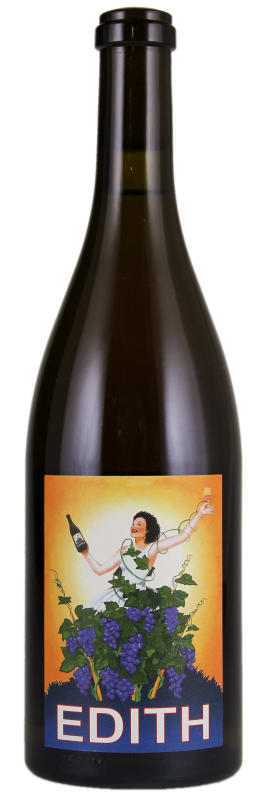


Winemaker Notes
Professional Ratings
-
Wine Enthusiast
Pale copper in color, this wine smells like it is a bowl of wet stones, sprinkled with bits of dried strawberry, dried orange peel and lime zest—thoroughly fascinating. Fresh, focused, vibrant flavors follow, showing depth, intensity, detail, texture and purity. Stone and strawberry notes linger on the finish. It's a little sip of rosé nirvana.
Editor's Choice
-
James Suckling
Lots of aromas of peaches, minerals and ash. White pepper, tool. Full-bodied, layered and fruity with lemon and orange peel. Some dried-peach and pumice undertones.
-
Robert Parker's Wine Advocate
Showing a pale pink core and orange highlights at the rim, the 2018 Grenache Rosé Edith is delicately balanced with a mineral-driven essence that is illuminated by soft, bright red berry and citrus aromas on the nose. Medium-bodied, the wine is energetic with acidity and has an elegant balance, clocking in at 12.4% alcohol, and it retains the mineral tension across the mid-palate. The wine ends with a squeaky-clean finish and lingering persistence with a kiss of phenolic bitterness that keeps things interesting and makes this a food-friendly rosé. It’s a lovely wine that may tempt you to rest it in your seller for aging, but with this bottling, fresher is better.
-
Jeb Dunnuck
Starting with the 2018 Grenache Edith Rose, it’s always a lightly colored rosé, and the 2018 is no exception. It comes close to a white wine in color (there’s a subtle pink hue), yet it has plenty of Grenache strawberry and peach fruit as well as a kiss of pink grapefruit and flowers. Juicy, medium-bodied, crisp, and straight-up racy on the finish, this beautifully done rosé will drink well for over a year.
-
Wine Spectator
Smoky cinnamon and raspberry aromas open to crisp yet plump and supple flavors.


Whether it’s playful and fun or savory and serious, most rosé today is not your grandmother’s White Zinfandel, though that category remains strong. Pink wine has recently become quite trendy, and this time around it’s commonly quite dry. Since the pigment in red wines comes from keeping fermenting juice in contact with the grape skins for an extended period, it follows that a pink wine can be made using just a brief period of skin contact—usually just a couple of days. The resulting color depends on grape variety and winemaking style, ranging from pale salmon to deep magenta.

Responsible for some of Washington’s most highly acclaimed wines, the Walla Walla Valley has experienced a surge in popularity in recent years and is home to both historic wineries and younger, up-and-coming producers.
The Walla Walla Valley, a Native American name meaning “many waters,” is located in southeastern Washington; part of the appellation actually extends into Oregon. Soils here are well-drained, sandy loess over Missoula Flood deposits and fractured basalt.
It is a region perfectly suited to Rhône-inspired Syrahs, distinguished by savory notes of red berry, black olive, smoke and fresh earth. Cabernet Sauvignon and Merlot create a range of styles from smooth and supple to robust and well-structured. White varieties are rare but some producers blend Sauvignon Blanc with Sémillon, resulting in a rich and round style, and plantings of Viognier, while minimal, are often quite successful.
Of note within Walla Walla, is one new and very peculiar appellation, called the Rocks District of Milton-Freewater. This is the only AVA in the U.S. whose boundaries are totally defined by the soil type. Soils here look a bit like those in the acclaimed Rhône region of Chateauneuf-du-Pape, but are large, ancient, basalt cobblestones. These stones work in the same way as they do in Chateauneuf, absorbing and then radiating the sun's heat up to enhance the ripening of grape clusters. The Rocks District is within the part of Walla Walla that spills over into Oregon and naturally excels in the production of Rhône varieties like Syrah, as well as the Bordeaux varieties.