


Winemaker Notes
Professional Ratings
-
Jeb Dunnuck
The 2016 Viognier Cailloux Vineyard from Baron reminds me of one of the single vineyard Condrieus from winemaker Andre Perret in France’s Northern Rhône Valley. Killer notes of caramelized citrus, orange blossom, and salty minerality all flow to a ripe, medium to full-bodied, concentrated beauty that has good acidity, plenty of richness, yet a light, balanced character.
-
Robert Parker's Wine Advocate
Baron now opts to ferment his Viognier in concrete eggs and stainless steel after a very gentle whole cluster pressing, eschewing new oak, and the result is fresher, brighter wines, a shift exemplified by the 2016 Viognier Cailloux Vineyard. Offering up notions of fresh peach, apricot, waxy lemon rind and flowers, it's a full-bodied, textural and expansive white with lovely precision despite its volume and a stony, almost saline finish.

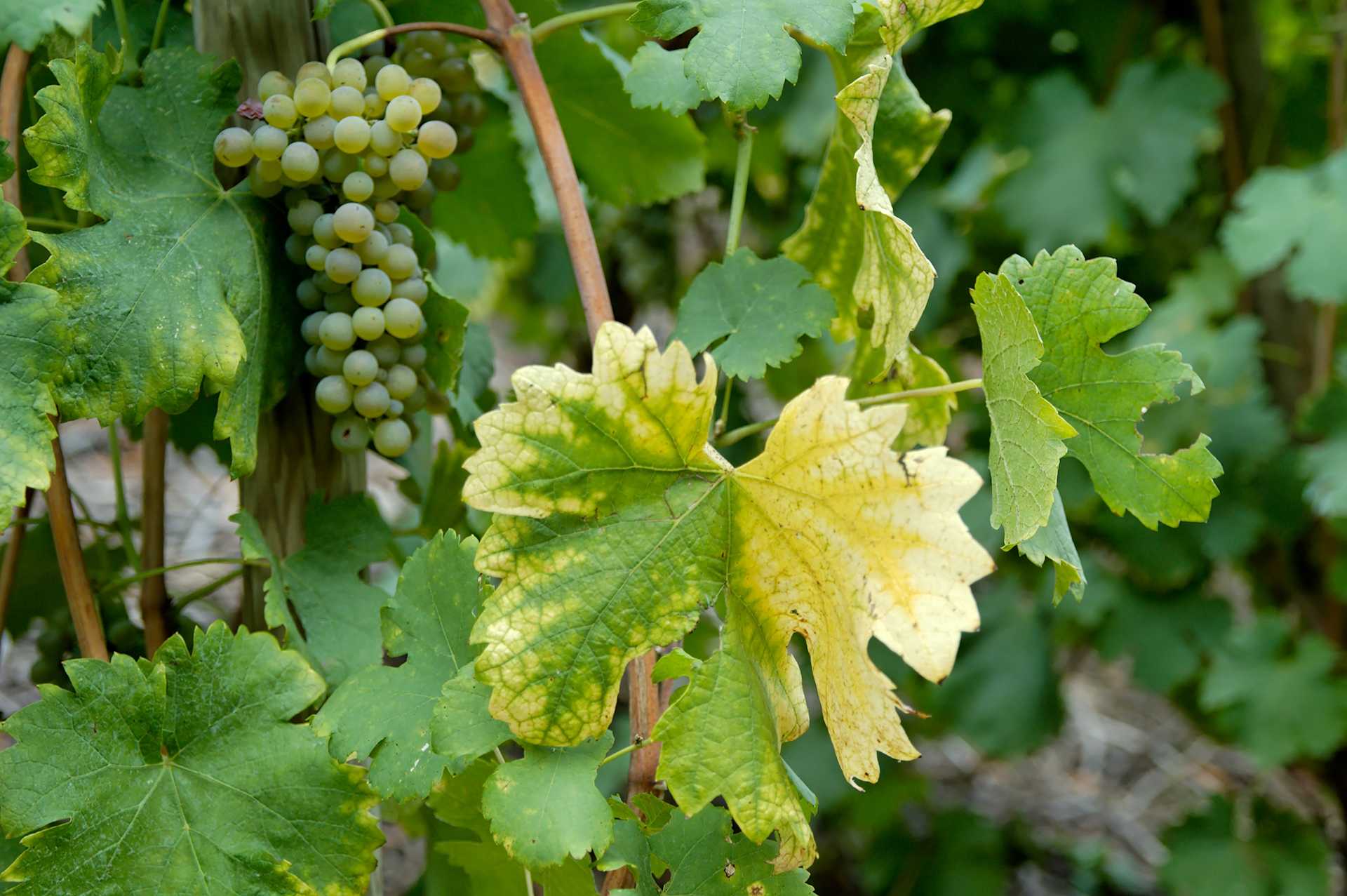
Full-figured and charmingly floral, Viognier is one of the most important white grapes of the northern Rhône where it is used both to produce single varietal wines and as an important blending grape. Look for great New World examples from California, Oregon, Washington and cooler parts of Australia. Somm Secret—Viognier plays a surprisingly important role in the red wines of Côte Rôtie in the northern Rhône. About 5% Viognier is typically co-fermented with the Syrah in order to stabilize the color, and as an added benefit, add a subtle perfume.

Responsible for some of Washington’s most highly acclaimed wines, the Walla Walla Valley has experienced a surge in popularity in recent years and is home to both historic wineries and younger, up-and-coming producers.
The Walla Walla Valley, a Native American name meaning “many waters,” is located in southeastern Washington; part of the appellation actually extends into Oregon. Soils here are well-drained, sandy loess over Missoula Flood deposits and fractured basalt.
It is a region perfectly suited to Rhône-inspired Syrahs, distinguished by savory notes of red berry, black olive, smoke and fresh earth. Cabernet Sauvignon and Merlot create a range of styles from smooth and supple to robust and well-structured. White varieties are rare but some producers blend Sauvignon Blanc with Sémillon, resulting in a rich and round style, and plantings of Viognier, while minimal, are often quite successful.
Of note within Walla Walla, is one new and very peculiar appellation, called the Rocks District of Milton-Freewater. This is the only AVA in the U.S. whose boundaries are totally defined by the soil type. Soils here look a bit like those in the acclaimed Rhône region of Chateauneuf-du-Pape, but are large, ancient, basalt cobblestones. These stones work in the same way as they do in Chateauneuf, absorbing and then radiating the sun's heat up to enhance the ripening of grape clusters. The Rocks District is within the part of Walla Walla that spills over into Oregon and naturally excels in the production of Rhône varieties like Syrah, as well as the Bordeaux varieties.