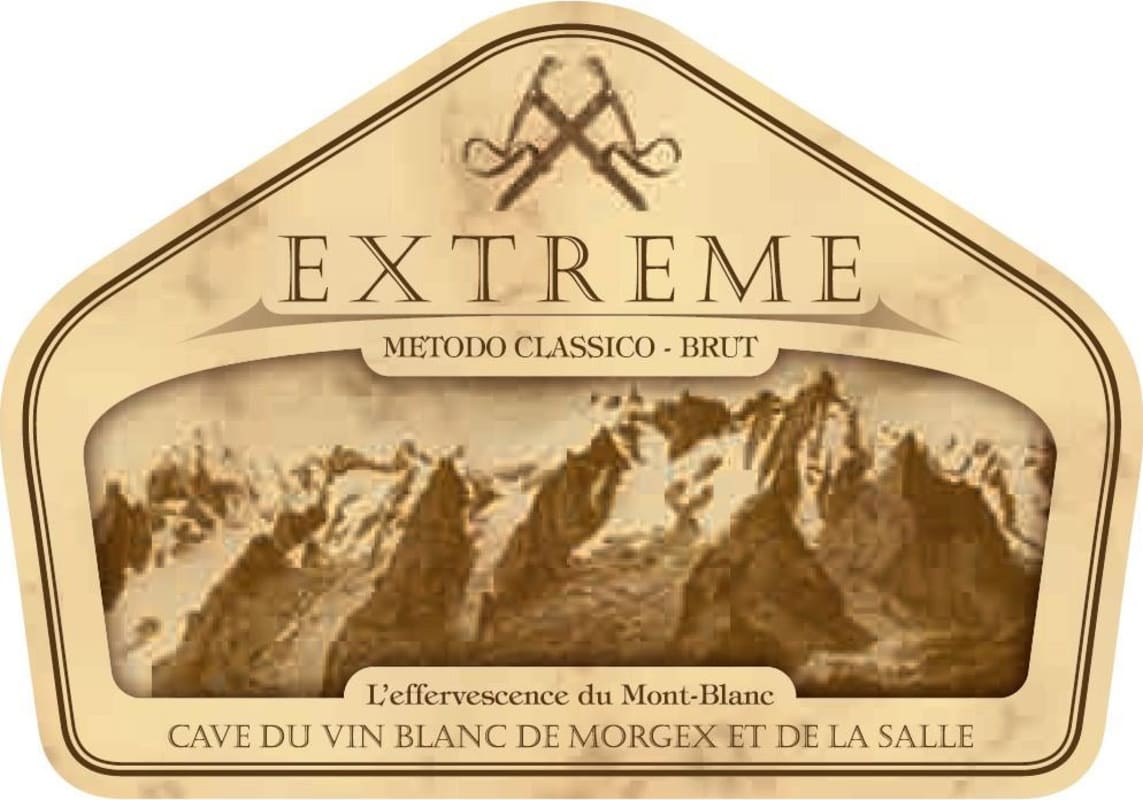

Winemaker Notes


Representing the topmost expression of a Champagne house, a vintage Champagne is one made from the produce of a single, superior harvest year. Vintage Champagnes account for a mere 5% of total Champagne production and are produced about three times in a decade. Champagne is typically made as a blend of multiple years in order to preserve the house style; these will have non-vintage, or simply, NV on the label. The term, "vintage," as it applies to all wine, simply means a single harvest year.

Claiming an impressive list of autochthonous varieties, Valle d'Aosta is a long, narrow valley, formed by Italy’s extreme northwestern Alps. The region, a natural gateway between Italy and France, is also home to many grape migrants from France and its more southerly Italian neighbors. Not surprisingly, wine labels are often written in Italian and French.
The main whites here include: Petite Arvine and Prié blanc (Blanc de Morgex). For reds: Fumin, Cornalin, Mayolet, Petit Rouge, Premetta, Vuillermin, Neblou, and Vien de Nus are unique to the region. French ones that do well are Gamay noir, Pinot noir, Chardonnay and Pinot gris (confusingly called Malvoisie in Aosta but it is not related to Malvasia). Italian grapes common here include Moscato, Dolcetto, Barbera, Nebbiolo, and from farther away, Ciliegiolo.