


Winemaker Notes
Pairs well with sashimi, fish tacos as well as creamy sauces over scallops or poultry.
Blend: 33% Riesling, 33% Pinot Gris, 33% Gewurztraminer.
Professional Ratings
-
Wine Enthusiast
Stone, earth and hay are about to merge into notions of lanolin and chamomile: clearly this is a maturing wine at an early point of its evolution. The palate is fluid and has the texture of drenched chalky, stone. The fruit is hiding in the wings, only to appear as orange oil here or as apple scent there. The dryness shows every nuance of this earthy, wine from a historic, co-planed vineyard of Riesling, Pinot Gris and Gewurztraminer. What a triumph. Drink 2016–2026.
-
Decanter
A monopole of the Cave de Ribeauville since 1935, this clos (co-planted with Riesling, Pinot Gris and Gewürztraminer) is in the heart of the Osterberg grand cru, said to have been a favourite of Louis XIV. It's a weighty, intense peach and lychee driven wine that is so ripe it seems sweet, yet has just seven grams per litre of residual sugar. Unique. Drinking Window 2017 - 2021
-
Wilfred Wong of Wine.com
COMMENTARY: The white wine blends from Alsace remain one of the prettiest wine categories. The 2009 Cave de Ribeauvillé Clos de Zahnacker is aromatic and enticing. TASTING NOTES. This wine is bright and beautiful. Its aromas and flavors of lychee, jasmine, flowers, and earth should pair it deliciously with a grilled chicken over a fresh spinach with an accent of walnuts and chili oil. (Tasted: September 11, 2018, San Francisco, CA)

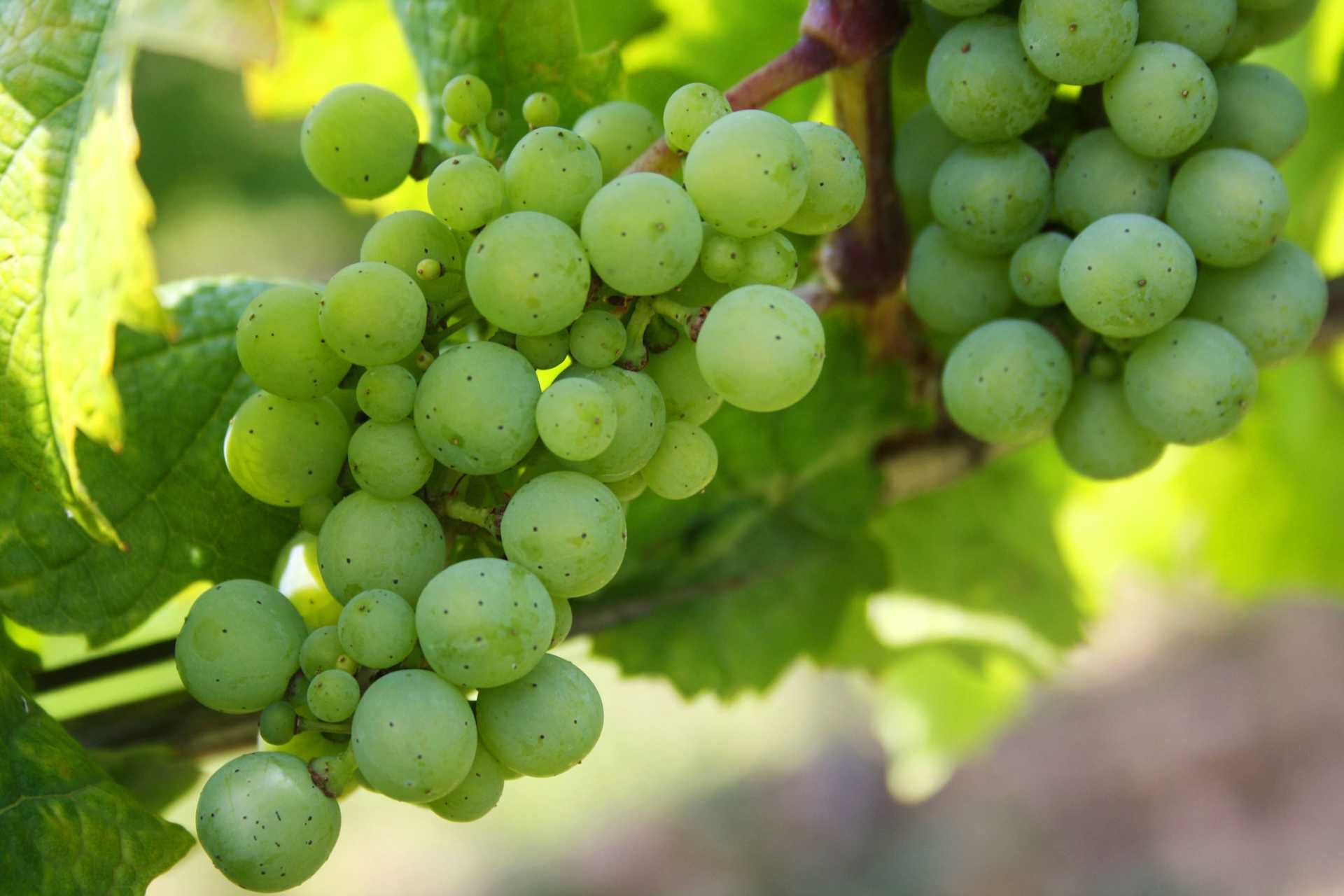
With hundreds of white grape varieties to choose from, winemakers have the freedom to create a virtually endless assortment of blended white wines. In many European regions, strict laws are in place determining the set of varieties that may be used in white wine blends, but in the New World, experimentation is permitted and encouraged. Blending can be utilized to enhance balance or create complexity, lending different layers of flavors and aromas. For example, a variety that creates a soft and full-bodied white wine blend, like Chardonnay, would do well combined with one that is more fragrant and naturally high in acidity. Sometimes small amounts of a particular variety are added to boost color or aromatics. Blending can take place before or after fermentation, with the latter, more popular option giving more control to the winemaker over the final qualities of the wine.

Small but mighty, this picturesque region in northeastern France is renowned for its white wines produced by passionate families whose winemaking roots span generations and even centuries. Nestled between the Vosges Mountains and the Rhine River, Alsace benefits from a sunny, dry climate and a long growing season. It is one of the most geologically diverse regions in the world — one of the many reasons why Alsace rocks!
Alsace wines include dry, mineral-driven Riesling, earthy Pinot Gris, refreshing Pinot Blanc, exuberant Gewurztraminer, elegant Pinot Noir, and more. From traditional-method sparkling wines to easy-drinking AOC Alsace, to complex Grand Cru bottlings from 51 distinct sites, and rich, late harvest wines, Alsace produces a wine for every occasion. Most Alsace wines are single-varietal bottlings and are labeled with the grape name. The region is also one of the greenest wine-producing areas in France, with 36% of its vineyard area certified organic.
Riesling, the region’s calling card, is dry, fresh and floral in its youth, developing complex mineral and flint character with age. Gewurztraminer is known for its signature spice and lychee aromatics. Pinot Gris is prized for its combination of crisp acidity and savory spice as well as ripe stone fruit flavors. Pinot Blanc is an affable food partner or porch sipper. Pinot Noir, the only red grape in AOC Alsace, is now authorized in three Grand Cru areas and is also used for Crémant d’Alsace sparkling rosé. Any bottle you choose will offer deliciousness, pleasure and value that is unprecedented in other wine regions.