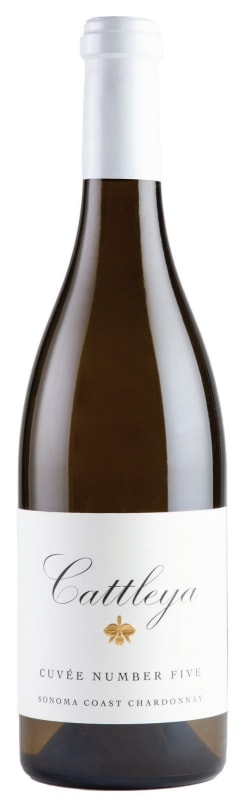


Winemaker Notes
Framed upon a profile of bright and complex aromas of lemon zest, crisp pear, and honeysuckle, this Chardonnay draws in the senses with its purity and focus. Flavors of lemon curd, fresh vanilla bean, and crushed rock harmonize with the complex, textured mouthfeel, focused acidity and lengthy finish to create a wine that is a true representation of the potential of this famed AVA.
Professional Ratings
-
Wine Enthusiast
Amazing aromas of Key lime pith, chalk and white blossoms are subtle and soft yet enrapturing on the nose of this bottling. The wine engages the palate with both zesty and rich aspects, as citrusy acidity enlivens the broad stone-fruit and sea-salt flavors.
-
Tasting Panel
Another great wine from Bibiana González Rave, who was born and raised in Colombia (cattleya is Colombian Spanish for “orchid,” the country’s national flower) and trained in France at the University of Bordeaux. Her Chardonnay comes from maritime-influenced high-elevation vineyards and is aged in cellar for 15 months. Notes of pancake batter, lemon butter, and vanilla bean are topped with a dollop of orange cream; despite that richness, the wine’s smooth transition between flavor, good acidity, and billowy texture makes it feel weightless.


One of the most popular and versatile white wine grapes, Chardonnay offers a wide range of flavors and styles depending on where it is grown and how it is made. While it tends to flourish in most environments, Chardonnay from its Burgundian homeland produces some of the most remarkable and longest lived examples. California produces both oaky, buttery styles and leaner, European-inspired wines. Somm Secret—The Burgundian subregion of Chablis, while typically using older oak barrels, produces a bright style similar to the unoaked style. Anyone who doesn't like oaky Chardonnay would likely enjoy Chablis.

A vast appellation covering Sonoma County’s Pacific coastline, the Sonoma Coast AVA runs all the way from the Mendocino County border, south to the San Pablo Bay. The region can actually be divided into two sections—the actual coastal vineyards, marked by marine soils, cool temperatures and saline ocean breezes—and the warmer, drier vineyards further inland, which are still heavily influenced by the Pacific but not quite with same intensity.
Contained within the appellation are the much smaller Fort Ross-Seaview and Petaluma Gap AVAs.
The Sonoma Coast is highly regarded for elegant Pinot Noir, Chardonnay, and, increasingly, cool-climate Syrah. The wines have high acidity, moderate alcohol, firm tannin, and balanced ripeness.