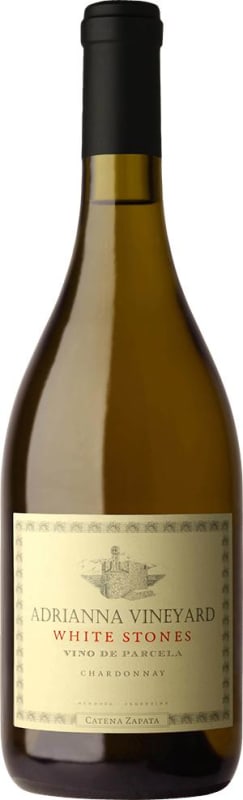


Winemaker Notes
Delicate aroma with mineral notes and white flowers, in the mouth it is a wine of great elegance, with delicious flavors of jasmine and white peach, gently intertwined with a fresh mineral side. It has a lively and refreshing acidity with a long, lingering finish.
Professional Ratings
-
James Suckling
This is always minerally and incisive and very different from White Bones. This is more classic chardonnay, with lots of freshly squeezed lemons, wet stone, flint and seashells. Brisk acidity on a medium- to full-bodied palate. Tense and intense, but this is acid-driven with a fine touch of salinity that lingers at the end.
-
Robert Parker's Wine Advocate
The 2022 Adrianna Vineyard Chardonnay White Stones is more introverted, understated and explicitly chiseled than its more textural and exotic White Bones companion. On the nose, it opens with transparent yet focused aromas of citrus pith and crushed stones, introducing a sleek, vibrant and laser-focused palate. The finish is similarly angular and incisive, continuously generating additional depth and dimension with time in the glass. While I slightly preferred the White Bones bottling due to its extra gear of complexity and textural depth, this is another clear-cut yardstick by which to measure the progress of Argentine white-wine production.
-
Vinous
The 2022 Chardonnay Adrianna Vineyard White Stones hails from a cool and slightly dry vintage in the Uco Valley. Sourced from a small gravel and limestone plot in Gualtallary, it displays a green hue in the glass. Its aromas feature lime, green apple and herbs, with subtle notes of ginger and acacia. Dry, nimble and refreshing, the chalky texture enlivens the slightly lean palate, with a long-lasting, fruit-driven finish. A high-altitude wine, the 2022 growing season brought an extra layer of freshness to this Chardonnay.
-
Wine Spectator
This white offers plenty of crunchy acidity and minerality. Its core flavors of pineapple, quince and Meyer lemon are accented by hints of buttered pastry. Finishes pure and clean, with slate and spice details. Nice length. Drink now through 2036.






Bodega Catena Zapata is one of Argentina's high-altitude Malbec pioneers. The Catena family began making wine in Mendoza in 1902. Nicolas Catena, third generation family vintner, was one of the first to see the potential of Mendoza's mountain vineyards for producing high quality Malbec. In 1994, he became the first Argentine to export a world-class bottling of Malbec under the Catena label. Nicolas is joined by his daughter, Dr. Laura Catena, in their relentless pursuit of world-class quality from the family's high-altitude vineyards. Laura has done extensive work in introducing Malbec and other varietal plant selections, soil and climate analysis, and sustainable practices throughout Mendoza. Head winemaker, Alejandro Vigil, has been at Catena Zapata since 2002 and works with Laura and Nicolas to make wines that express the family's vineyards and palate.

One of the most popular and versatile white wine grapes, Chardonnay offers a wide range of flavors and styles depending on where it is grown and how it is made. While it tends to flourish in most environments, Chardonnay from its Burgundian homeland produces some of the most remarkable and longest lived examples. California produces both oaky, buttery styles and leaner, European-inspired wines. Somm Secret—The Burgundian subregion of Chablis, while typically using older oak barrels, produces a bright style similar to the unoaked style. Anyone who doesn't like oaky Chardonnay would likely enjoy Chablis.

By far the largest and best-known winemaking province in Argentina, Mendoza is responsible for over 70% of the country’s enological output. Set in the eastern foothills of the Andes Mountains, the climate is dry and continental, presenting relatively few challenges for viticulturists during the growing season. Mendoza, divided into several distinctive sub-regions, including Luján de Cuyo and the Uco Valley, is the source of some of the country’s finest wines.
For many wine lovers, Mendoza is practically synonymous with Malbec. Originally a Bordelaise variety brought to Argentina by the French in the mid-1800s, here it found success and renown that it never knew in its homeland where a finicky climate gives mixed results. Cabernet Sauvignon, Syrah, Merlot and Pinot Noir are all widely planted here as well (and sometimes even blended with each other or Malbec). Mendoza's main white varieties include Chardonnay, Torrontés, Sauvignon Blanc and Sémillon.