


Winemaker Notes
#43 James Suckling Top 100 Wines of the World 2025
#14 Vinous Top 100 of 2025
The soil is layered with fossilized animal bones— remnants from a river that used to pass through the region. Lively citrus notes and white stone fruit on the nose. Voluptuous, intense flavors of pear, apple, and subtle floral and mineral hints.
Professional Ratings
-
James Suckling
Dill, limes, green ginger and crushed stones on the nose. The palate is extreme, marked by intense mineral tension, pronounced salinity and a delicious severity that sets this wine apart from even the greatest chardonnays of the world. Incredibly fresh and mouthwatering. Spectacular.
-
Vinous
The 2023 Chardonnay Adrianna Vineyard White Bones from Gualtallary, Tupungato, opens with clear notes of huacatay, chamomile and hops. It’s reminiscent of reductive Sauvignon Blanc and layered with green apple, mint and nutty notes. Compared to previous vintages, this is leaner and more vibrant, with fine chalky grip and medium body. Just a gorgeous wine.
-
Jeb Dunnuck
One for the ages from an ageworthy vintage, the 2023 Chardonnay Adrianna Vineyard White Bones is textured, layered, and herbaceous, as all the White Bones wines are. Native thyme accents a medium-bodied, persistently fresh character of lemon crisp that’s complex and lengthy. The oak is well-integrated already, adding to the balanced structure and mouthfeel.
-
Robert Parker's Wine Advocate
The 2023 Adrianna Vineyard Chardonnay White Bones leads with its quintessentially lifted, vibrant bouquet of citrus rinds, dried spices, white flowers and fresh herbs, continuously developing additional complexity from its biological aging under flor. The palate combines live-wire focus with ethereal richness and a gently creamy core that runs through its mouthwatering and mineral-drenched finish. A fantastic iteration of the exotic, precise profile readers have come to expect from this pioneering Gualtallary Chardonnay reference point.
-
Wine Spectator
There’s personality and energy to this white that just won't quit. Opens with aromatically engaging notes of sage, river mint and lime zest that meld seamlessly into a core of green mango, finger lime and passion fruit. The body shows a certain silky richness, yet without the typical weighty lees or oak flavors, and instead builds intensity around tense minerality. Picks up a hint of pickled ginger on the lengthy, expressive finish.


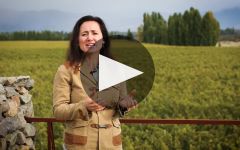



Bodega Catena Zapata is one of Argentina's high-altitude Malbec pioneers. The Catena family began making wine in Mendoza in 1902. Nicolas Catena, third generation family vintner, was one of the first to see the potential of Mendoza's mountain vineyards for producing high quality Malbec. In 1994, he became the first Argentine to export a world-class bottling of Malbec under the Catena label. Nicolas is joined by his daughter, Dr. Laura Catena, in their relentless pursuit of world-class quality from the family's high-altitude vineyards. Laura has done extensive work in introducing Malbec and other varietal plant selections, soil and climate analysis, and sustainable practices throughout Mendoza. Head winemaker, Alejandro Vigil, has been at Catena Zapata since 2002 and works with Laura and Nicolas to make wines that express the family's vineyards and palate.

One of the most popular and versatile white wine grapes, Chardonnay offers a wide range of flavors and styles depending on where it is grown and how it is made. While it tends to flourish in most environments, Chardonnay from its Burgundian homeland produces some of the most remarkable and longest lived examples. California produces both oaky, buttery styles and leaner, European-inspired wines. Somm Secret—The Burgundian subregion of Chablis, while typically using older oak barrels, produces a bright style similar to the unoaked style. Anyone who doesn't like oaky Chardonnay would likely enjoy Chablis.

By far the largest and best-known winemaking province in Argentina, Mendoza is responsible for over 70% of the country’s enological output. Set in the eastern foothills of the Andes Mountains, the climate is dry and continental, presenting relatively few challenges for viticulturists during the growing season. Mendoza, divided into several distinctive sub-regions, including Luján de Cuyo and the Uco Valley, is the source of some of the country’s finest wines.
For many wine lovers, Mendoza is practically synonymous with Malbec. Originally a Bordelaise variety brought to Argentina by the French in the mid-1800s, here it found success and renown that it never knew in its homeland where a finicky climate gives mixed results. Cabernet Sauvignon, Syrah, Merlot and Pinot Noir are all widely planted here as well (and sometimes even blended with each other or Malbec). Mendoza's main white varieties include Chardonnay, Torrontés, Sauvignon Blanc and Sémillon.