


Winemaker Notes
Elegance, character, and persistence are what make Millecento 2016 a wine for the ages. The barrel aging emphasized the characteristics of the vintage, enhancing the Sangiovese aromas, wonderful balance, and superb tannins. A great acidity supports the superb aging potential.
Professional Ratings
-
James Suckling
Blueberries and cherries with hints of cedar and spice, as well as plenty of mixed dried flowers, including violets. Some graphite and stone, too. Medium-to full-bodied with racy tannins and a long, long finish. It’s linear and complete, with lovely elegance and structure.
-
Wine Spectator
This red reveals both power and finesse, with intense aromas of truffle, black currant, violet and iron leading off, backed by saturated dark berry fruit, floral, leather and tobacco flavors. Big, muscular tannins grab hold of the finish, with ample fruit in reserve. Best from 2026 through 2045.
-
Wine & Spirits
A firm graphite core anchors flavors of rich dark cherry and ripe plum in this superbly balanced and expressive Riserva. That mineral impression carries through as the wine unfolds in layers of dark chocolate, cacao and subtle spice, even as scents of crushed lavender add lift. A surge of cool acidity draws the flavors together toward a persistent and energetic finish.
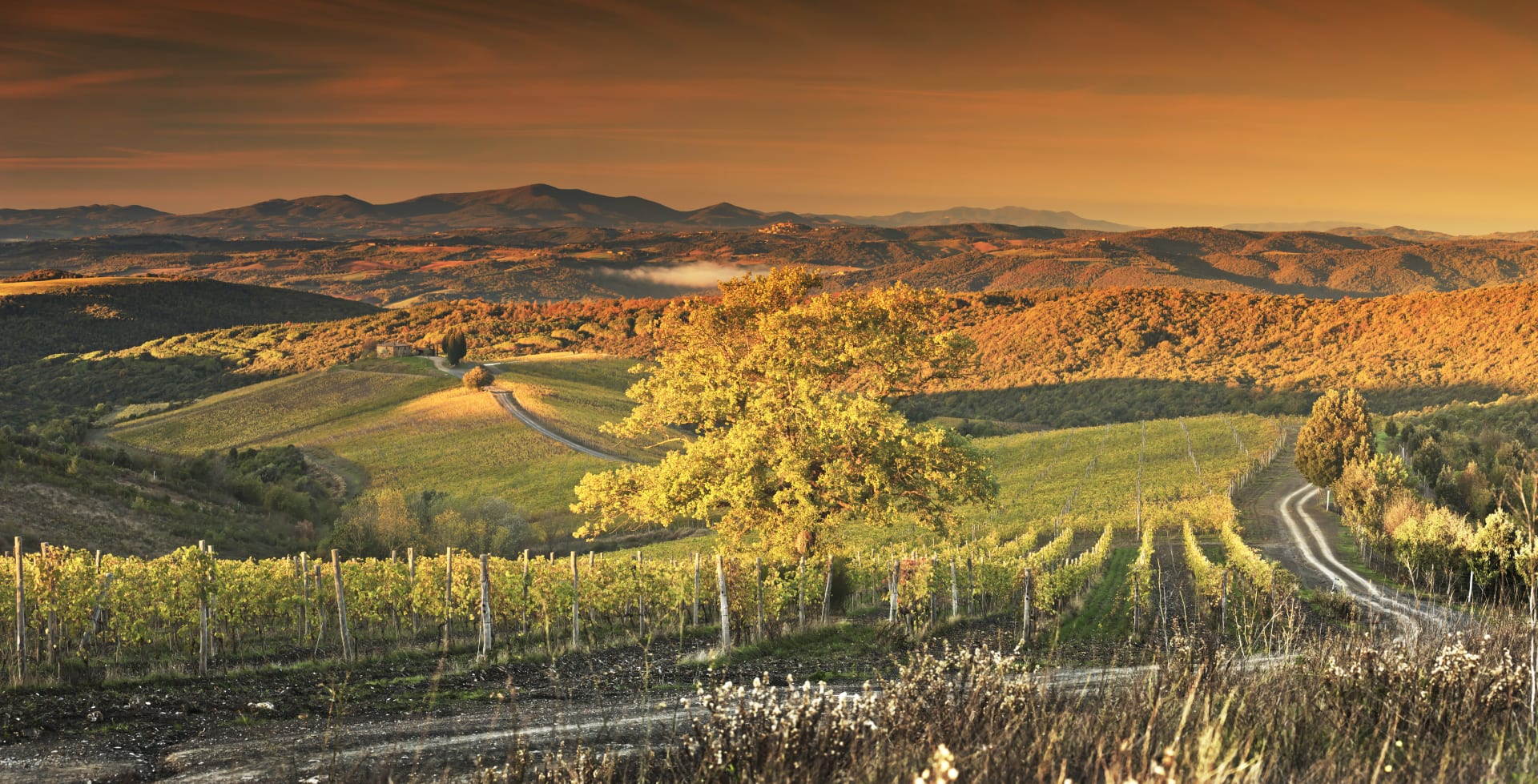



Situated in the province of Siena where the renown area of "Brunello di Montalcino" is found, Castiglion del Bosco encompasses approximately 4,450 acres of land, 125 of which are vineyards with plans to plant 15 more acres. The farm is located between the historic towns of Buonconvento and Montalcino. Given the truly magnificent geographical position of the estate, perched on a hill looking down onto the surrounding valleys, exposure is optimal resulting in wines of excellent quality. These are very exciting wines, new and classic at the same time.
Castiglion del Bosco was the first to produce and bottle Brunello di Montalcino in the sixties and today represents one of the most important properties of this region. Plans are currently underway to produce new wines and expand the existing cellar. This estate prides itself on the highest level of quality combined with respect for tradition. Claudio Basla, from Altesino, also consults at Castiglion del Bosco insuring the same levels of quality that we have always enjoyed from that estate.

Among Italy's elite red grape varieties, Sangiovese has the perfect intersection of bright red fruit and savory earthiness and is responsible for the best red wines of Tuscany. While it is best known as the chief component of Chianti, it is also the main grape in Vino Nobile di Montepulciano and reaches the height of its power and intensity in the complex, long-lived Brunello di Montalcino. Somm Secret—Sangiovese doubles under the alias, Nielluccio, on the French island of Corsica where it produces distinctly floral and refreshing reds and rosés.

Famous for its bold, layered and long-lived red, Brunello di Montalcino, the town of Montalcino is about 70 miles south of Florence, and has a warmer and drier climate than that of its neighbor, Chianti. The Sangiovese grape is king here, as it is in Chianti, but Montalcino has its own clone called Brunello.
The Brunello vineyards of Montalcino blanket the rolling hills surrounding the village and fan out at various elevations, creating the potential for Brunello wines expressing different styles. From the valleys, where deeper deposits of clay are found, come wines typically bolder, more concentrated and rich in opulent black fruit. The hillside vineyards produce wines more concentrated in red fruits and floral aromas; these sites reach up to over 1,600 feet and have shallow soils of rocks and shale.
Brunello di Montalcino by law must be aged a minimum of four years, including two years in barrel before realease and once released, typically needs more time in bottle for its drinking potential to be fully reached. The good news is that Montalcino makes a “baby brother” version. The wines called Rosso di Montalcino are often made from younger vines, aged for about a year before release, offer extraordinary values and are ready to drink young.