

Winemaker Notes
Professional Ratings
-
James Suckling
Black plums and cherries with some lavender undertones on the nose. Medium body with fine tannins and a freshness and crispness with energy. Some attractive primary fruit.
-
Robert Parker's Wine Advocate
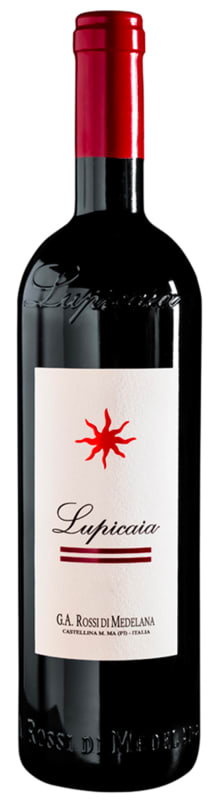
Perhaps a little green in character, I very much like the austerity of this vintage. The Castello del Terriccio 2018 Lupicaia is a little stern, but it's also playful with rosemary essence, ferrous earth, rust, licorice, chamomile flower and sour plum. The fruit is quite detailed in 2018 compared to the monotone 2017 vintage that I also tasted at the same time. You also get that distinctive note of eucalyptus that is always present in this wine. The wine shows lift and tart flavors that intersect with firm tannins. The sun-shaped logo on the front label is an Etruscan symbol that was found on a stone that was later donated to a museum in the town of Volterra.
Rating: 94+


Legendary in Italy for its Renaissance art and striking landscape, Tuscany is also home to many of the country’s best red wines. Sangiovese reigns supreme here, as either the single varietal, or a dominant player, in almost all of Tuscany’s best.
A remarkable Chianti, named for its region of origin, will have a bright acidity, supple tannins and plenty of cherry fruit character. From the hills and valleys surrounding the medieval village of Montalcino, come the distinguished and age-worthy wines based on Brunello (Sangiovese). Earning global acclaim since the 1970s, the Tuscan Blends are composed solely of international grape varieties or a mix of international and Sangiovese. The wine called Vine Nobile di Montepulciano, composed of Prognolo Gentile (Sangiovese) and is recognized both for finesse and power.