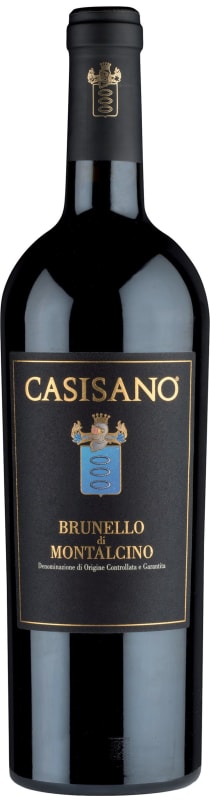


Winemaker Notes
Intense ruby in color, it opens to the nose with an elegant complexity with characteristic aromas of fresh red fruit and spicy notes. Harmonic to the taste, it in fact has a great tannic structure and an excellent acidity; it presents an excellent and long aromatic persistence both on the nose and in the mouth, with marked characteristics of elegance and minerality, all elements of extraordinary longevity.
Professional Ratings
-
Wine Enthusiast
The nose is intensely perfumed with spices and herbs, peonies, cherry blossom and dried roses, then allspice, cardamom and thyme. Cherries and blackberries ripen on the palate, and the floral aromas concentrate into Mandarin orange blossom reinforced by structured, linear tannins.
-
James Suckling
Dense and focused. Lots of dark fruits, bark, and a hint of cloves. Medium-bodied and creamy on the palate. Rather tensioned and juicy at the finish.
-
Jeb Dunnuck
Pouring a rich ruby color, the 2019 Brunello Di Montalcino displays a ripe and rather mature nature. Aromas of strawberry pie, baking spices, and balsamic herbs lift from the glass. Snappy acidity lifts the palate, and the wine is medium to full-bodied, with its ripe fruit holding on underneath. I would prefer to drink this over the next several years to preserve what freshness of fruit it has.
-
Vinous
The 2019 Brunello di Montalcino wafts up with a pretty blend of dried strawberries and cedary spice offset by lifting menthol and violet pastille aromas. This is juicy in character with herbal-tinged wild berry fruits and nervous acidity, all spiced up by a zesty touch of tangerine. The 2019 finishes fresh with a vivid red licorice tinge. Orange notes fade amongst subtly grippy tannins.
-
Wine Spectator
A broad, ripe style, displaying plum, cherry, fruitcake, leather, earth and oak spice notes, plus a hint of raisin. Nonetheless, this is fresh on the finish, where it firms up and leaves a more linear impression. Best from 2026 through 2038.



Podere Casisano was purchased in 2015 from the Ciarpella family of Rome. Nestled among rolling hills in the south-eastern part of the appellation, between the villages of Montalcino, Castelnuove dell'Abate, and Sant' Angelo in Colle, the estate is situated on a splendid natural terrace overlooking the famous abbey of St. Antimo. The total property covers 131 acres, of which 57 acres are vineyards for Brunello and Rosso and 30 acres are planted with olive trees. The winery, which was known as Casisano-Colombaio under its previous ownership, has for years produced a very traditional style of Brunello, with a long aging in large Slavonian oak casks - a classic style of winemaking favored by the Tommasi family. Tommasi has retained the original winemaking team, now under the guidance of head winemaker Giancarlo Tommasi, and is set to take the wines to even greater heights.

Among Italy's elite red grape varieties, Sangiovese has the perfect intersection of bright red fruit and savory earthiness and is responsible for the best red wines of Tuscany. While it is best known as the chief component of Chianti, it is also the main grape in Vino Nobile di Montepulciano and reaches the height of its power and intensity in the complex, long-lived Brunello di Montalcino. Somm Secret—Sangiovese doubles under the alias, Nielluccio, on the French island of Corsica where it produces distinctly floral and refreshing reds and rosés.

Famous for its bold, layered and long-lived red, Brunello di Montalcino, the town of Montalcino is about 70 miles south of Florence, and has a warmer and drier climate than that of its neighbor, Chianti. The Sangiovese grape is king here, as it is in Chianti, but Montalcino has its own clone called Brunello.
The Brunello vineyards of Montalcino blanket the rolling hills surrounding the village and fan out at various elevations, creating the potential for Brunello wines expressing different styles. From the valleys, where deeper deposits of clay are found, come wines typically bolder, more concentrated and rich in opulent black fruit. The hillside vineyards produce wines more concentrated in red fruits and floral aromas; these sites reach up to over 1,600 feet and have shallow soils of rocks and shale.
Brunello di Montalcino by law must be aged a minimum of four years, including two years in barrel before realease and once released, typically needs more time in bottle for its drinking potential to be fully reached. The good news is that Montalcino makes a “baby brother” version. The wines called Rosso di Montalcino are often made from younger vines, aged for about a year before release, offer extraordinary values and are ready to drink young.