
Winemaker Notes
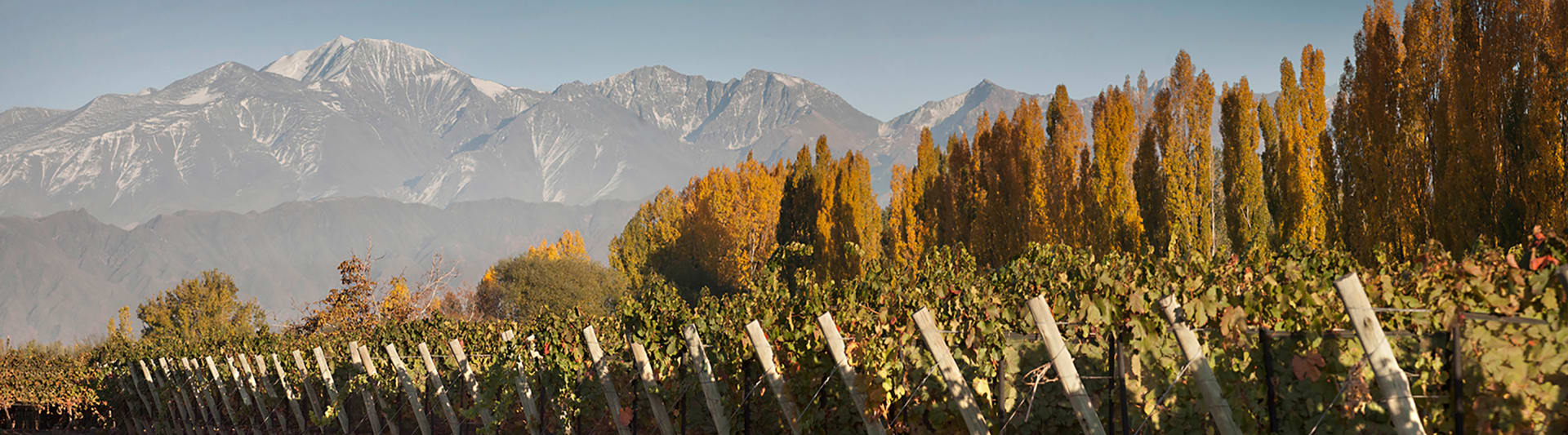


Casarena is forging a different path from the other wineries in Mendoza. Instead of searching for undiscovered terroirs in new places like the Uco Valley, it is discovering the hidden gems in its home region of Lujan de Cuyo—a place full of rich tradition, potential, and unique micro-terroirs. Casarena has purchased as well as planted vineyards in several distinctive sites, and they control all aspects of winegrowing and winemaking in order to maximize the flavor expression of these terroirs.
The name "Casarena" is a creative merging of the Spanish words "casa" (house) and "arena (sand), and is a tribute to their restored 1930s winery made of sand-colored stone and the sandy soil that their estate is built on. All theses features gather together unbeatable height, climate and soil conditions to cultivate premium vineyards. The Wine Making team is headed by Michel Rolland.

Capable of a vast array of styles, Sauvignon Blanc is a crisp, refreshing variety that equally reflects both terroir and varietal character. Though it can vary depending on where it is grown, a couple of commonalities always exist—namely, zesty acidity and intense aromatics. This variety is of French provenance. Somm Secret—Along with Cabernet Franc, Sauvignon Blanc is a proud parent of Cabernet Sauvignon. That green bell pepper aroma that all three varieties share is no coincidence—it comes from a high concentration of pyrazines (herbaceous aromatic compounds) inherent to each member of the family.

With vineyards tretching along the eastern side of the Andes Mountains from Patagonia in the south to Salta in the north, Argentina is one of the world’s largest and most dynamic wine producing countries—and most important in South America.
Since the late 20th century vineyard investments, improved winery technology and a commitment to innovation have all contributed to the country’s burgeoning image as a producer of great wines at all price points. The climate here is diverse but generally continental and agreeable, with hot, dry summers and cold snowy winters—a positive, as snow melt from the Andes Mountains is used heavily to irrigate vineyards. Grapes very rarely have any difficulty achieving full ripeness.
Argentina’s famous Mendoza region, responsible for more than 70% of Argentina’s wine production, is further divided into several sub-regions, with Luján de Cuyo and the Uco Valley most noteworthy. Red wines dominate here, especially Malbec, the country’s star variety, while Chardonnay is the most successful white.
The province of San Juan is best known for blends of Bonarda and Syrah. Torrontés is a specialty of the La Rioja and Salta regions, the latter of which is also responsible for excellent Malbecs grown at very high elevation.