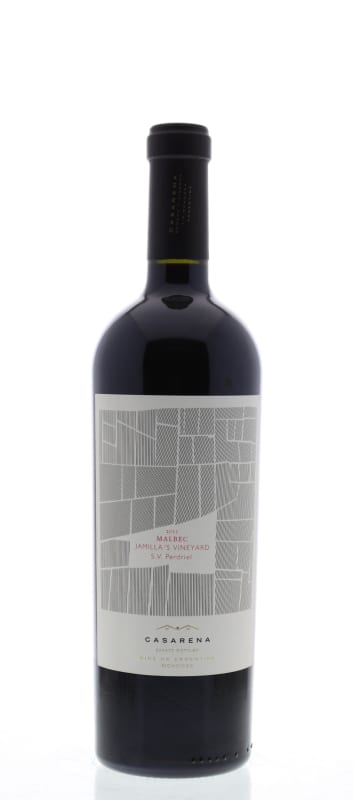


Winemaker Notes
Blend: 100% Malbec
Professional Ratings
-
Robert Parker's Wine Advocate
The 2011 Malbec Jamilla’s Vineyard is from a 30-year-old vineyard in Perdriel in Lujan de Cuyo where the soils have 30-40 centimeters of topsoil, a calcareous layer, and the bottom is composed of big boulders. This provides for austere, mineral and vertical wines. All these top-of-the-range wines are a blend of a great number of micro-vinifications, in different ways, but mostly the destemmed grapes fermented with indigenous yeasts in 500-liter oak barrels, but you also have bins, cement, full clusters here and there... Diversity. You have to pull the wine, it is not a wine that talks, you need to pull it out of the glass. It is vertical, mineral serious, harmonious. A classical beauty with freshness, acidity and minerality, different, and earthy, with notes of blood and iron, violets and cherries. This is a superb terroir wine that transcends the variety. At this quality level, this is a real bargain. Drink now-2025.
-
Wine Spectator
Offers a floral, vibrantly fruity aroma, with flavors of blueberry, raspberry and ginger that fill the sleek, supple finish. Features plenty of acidity as well, with dried meat and humus notes on the finish. Drink now through 2020.
-
Wine & Spirits
An international style of malbec, this is liqueur-like in its sweet, rich fruit, generous in black cherry flavors and violet aromas. It’s pure hedonism, butter-soft and rich.
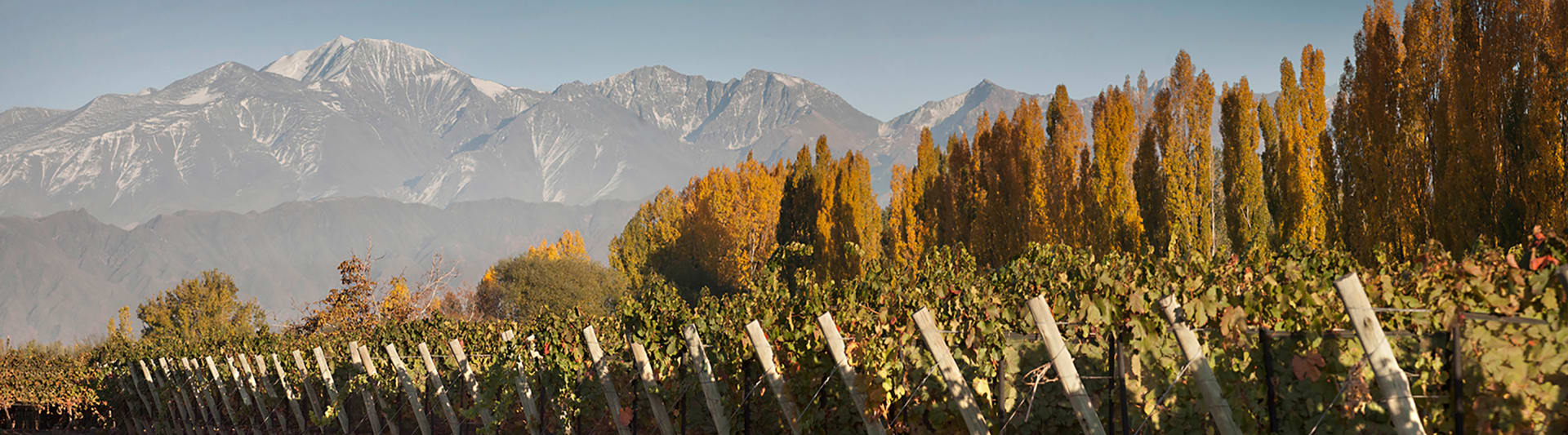


Casarena is forging a different path from the other wineries in Mendoza. Instead of searching for undiscovered terroirs in new places like the Uco Valley, it is discovering the hidden gems in its home region of Lujan de Cuyo—a place full of rich tradition, potential, and unique micro-terroirs. Casarena has purchased as well as planted vineyards in several distinctive sites, and they control all aspects of winegrowing and winemaking in order to maximize the flavor expression of these terroirs.
The name "Casarena" is a creative merging of the Spanish words "casa" (house) and "arena (sand), and is a tribute to their restored 1930s winery made of sand-colored stone and the sandy soil that their estate is built on. All theses features gather together unbeatable height, climate and soil conditions to cultivate premium vineyards. The Wine Making team is headed by Michel Rolland.

Celebrated for its bold flavors and supple texture, Malbec has enjoyed runaway success in Argentina since the late 20th century. The grape originated in Bordeaux, France, where it historically contributed color and tannin to blends. A French agronomist, who saw great potential for the variety in Mendoza’s hot, high-altitude landscape, brought Malbec to Argentina in 1868. Somm Secret—If you’re trying to please a crowd, Malbec is generally a safe bet with its combination of dense fruit and soft tannins.

By far the largest and best-known winemaking province in Argentina, Mendoza is responsible for over 70% of the country’s enological output. Set in the eastern foothills of the Andes Mountains, the climate is dry and continental, presenting relatively few challenges for viticulturists during the growing season. Mendoza, divided into several distinctive sub-regions, including Luján de Cuyo and the Uco Valley, is the source of some of the country’s finest wines.
For many wine lovers, Mendoza is practically synonymous with Malbec. Originally a Bordelaise variety brought to Argentina by the French in the mid-1800s, here it found success and renown that it never knew in its homeland where a finicky climate gives mixed results. Cabernet Sauvignon, Syrah, Merlot and Pinot Noir are all widely planted here as well (and sometimes even blended with each other or Malbec). Mendoza's main white varieties include Chardonnay, Torrontés, Sauvignon Blanc and Sémillon.