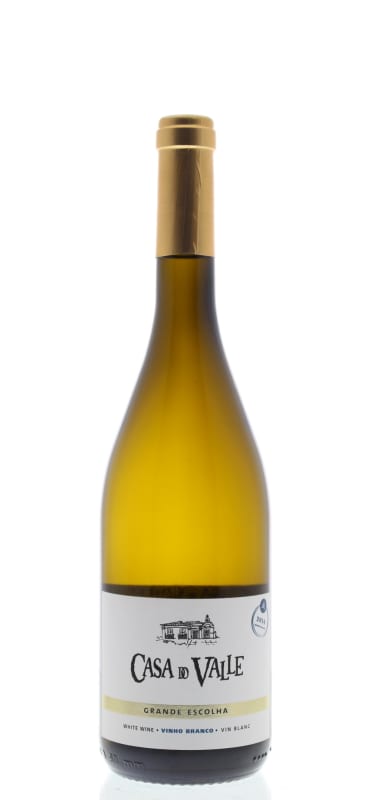


Winemaker Notes
Professional Ratings
-
Wine & Spirits
From an estate in the eastern reaches of Vinho Verde, this is a selection of the top alvarinho grown at the family’s vineyards. It has the sunniness of an inland Vinho Verde, while packing plenty of fresh lime and richer starfruit flavor. The scent of green pear skin and the brisk saltiness of the finish make it a refreshing match with sea bass ceviche.
-
Wilfred Wong of Wine.com
Expanding one's horizon is usually a good thing and in this case when you taste the delicious and enticing 2014 Casa do Valle Vinho Verde, you will realize that this is, indeed, a great thing. This pleasing white wine is here to show you that there is more to the world than Chardonnay, Sauvignon Blanc and Pinot Grigio. Light to medium straw color, richer than most Vinho Verdes I have tried; wild, ripe fruit aroma, with a definite note of savory spices; medium bodied, surprisingly rich on the palate; dry, medium acidity, well balanced; expansive and fine in its flavors of ripe fruit and gentle savor, a little walk on the wild side and quite pure, speaks of the growing area. (Tasted: November 24, 2015, San Francisco, CA)
-
Robert Parker's Wine Advocate
The 2014 Grande Escolha is an Alvarinho, but it does have 7% Arinto blended in. Some 15% of the juice was fermented in new French oak for approximately one month. It comes in at 12.6% alcohol and is very dry (1.6 grams per liter of residual sugar). You would think that the oak would make a big difference here. Well, you certainly notice it, perhaps even more on the finish, where it provides some power and texture, than on flavor. There is a hint of cream on the finish, but then the acidity takes over. That does a pretty nice job of obliterating the oak. Bone dry, this is a piercing and penetrating Alvarinho with that big acidity and a lingering, very refreshing finish. It also manages to seem quite elegant at times. Very nicely done, this adds a bit of depth to the regular Branco reviewed this issue. While it doesn’t quite have that wine’s zing or purity, it doesn’t lose all that much in freshness. They are both quite fine. This should hold at peak a bit better than the regular Branco, though, so it gets the edge for that at least. I’d still drink it young for safety and best results.

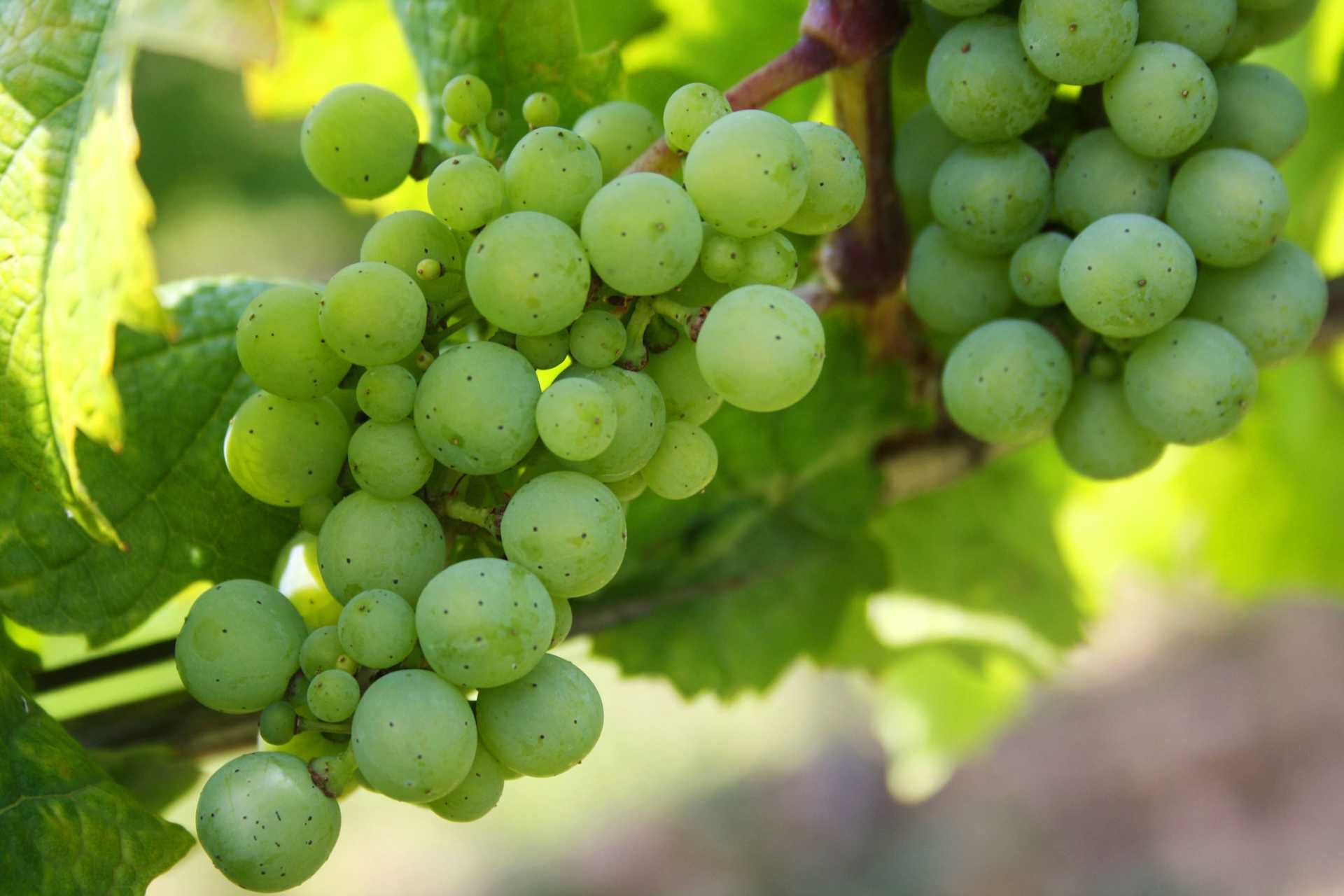
With hundreds of white grape varieties to choose from, winemakers have the freedom to create a virtually endless assortment of blended white wines. In many European regions, strict laws are in place determining the set of varieties that may be used in white wine blends, but in the New World, experimentation is permitted and encouraged. Blending can be utilized to enhance balance or create complexity, lending different layers of flavors and aromas. For example, a variety that creates a soft and full-bodied white wine blend, like Chardonnay, would do well combined with one that is more fragrant and naturally high in acidity. Sometimes small amounts of a particular variety are added to boost color or aromatics. Blending can take place before or after fermentation, with the latter, more popular option giving more control to the winemaker over the final qualities of the wine.

A cheerful, translucid, lemon-yellow and slightly pétillant white wine, Vinho Verde literally means ‘green wine’ and is named after the northwest Portugese region from which it originates. The ‘green’ in the name refers to the youthful state in which the wines are customarily released and consumed, not the color of the wine.
It is typically a blend of various percentages of Alvarinho, Loureiro, Trajadura, and Pedernã (Arinto). Following initial alcoholic fermentation, a natural, secondary malolactic conversion in cask produces carbon dioxide, giving Vinho Verde its charmingly light sparkle.