

Winemaker Notes
This wine was specially created to be served on special occasionssuch as an aperitif or bringing out the best of light dishes of fish,seafood, sushi, salads, poultry as well as Italian and Chinese cuisine. It can be served out of meals especially during the summer.
Professional Ratings
-
Robert Parker's Wine Advocate
The 2014 Branco, the Estate white with just Casa do Valle on the front, is an unoaked blend of Arinto (40%), Alvarinho (20%), Azal (20%) and Loureiro (20%), dry (3.9 grams per liter of residual sugar, but it tastes even drier) and unoaked. It has 12% alcohol. I liked last year's version, but this is perhaps better. At least in its youth, it is very crisp and intense. It has an early picked feel and for this type of wine, that can be a good thing. There is that little bit of sugar, but that is not going to tame the acidity. This is quite piercing, a perfect summer refresher with laser bursts of acidity. There is fruit, just a bit tinged with green. It asserts itself as the wine warms up a bit into the mid-50sF. This is always more about the impressive tension and grip on the finish, though. It is not deep and lush, but it is reasonably concentrated for this style and level. More importantly, it is fresh, pure and transparent. Assuming you're not averse to acidity, this will be one of the best Vinho Verde bargains in this issue's report. Admittedly, it may not stay at peak all that long. You won't want to lose its energy or freshness. But drink it this summer or perhaps even next and you should be pretty happy.

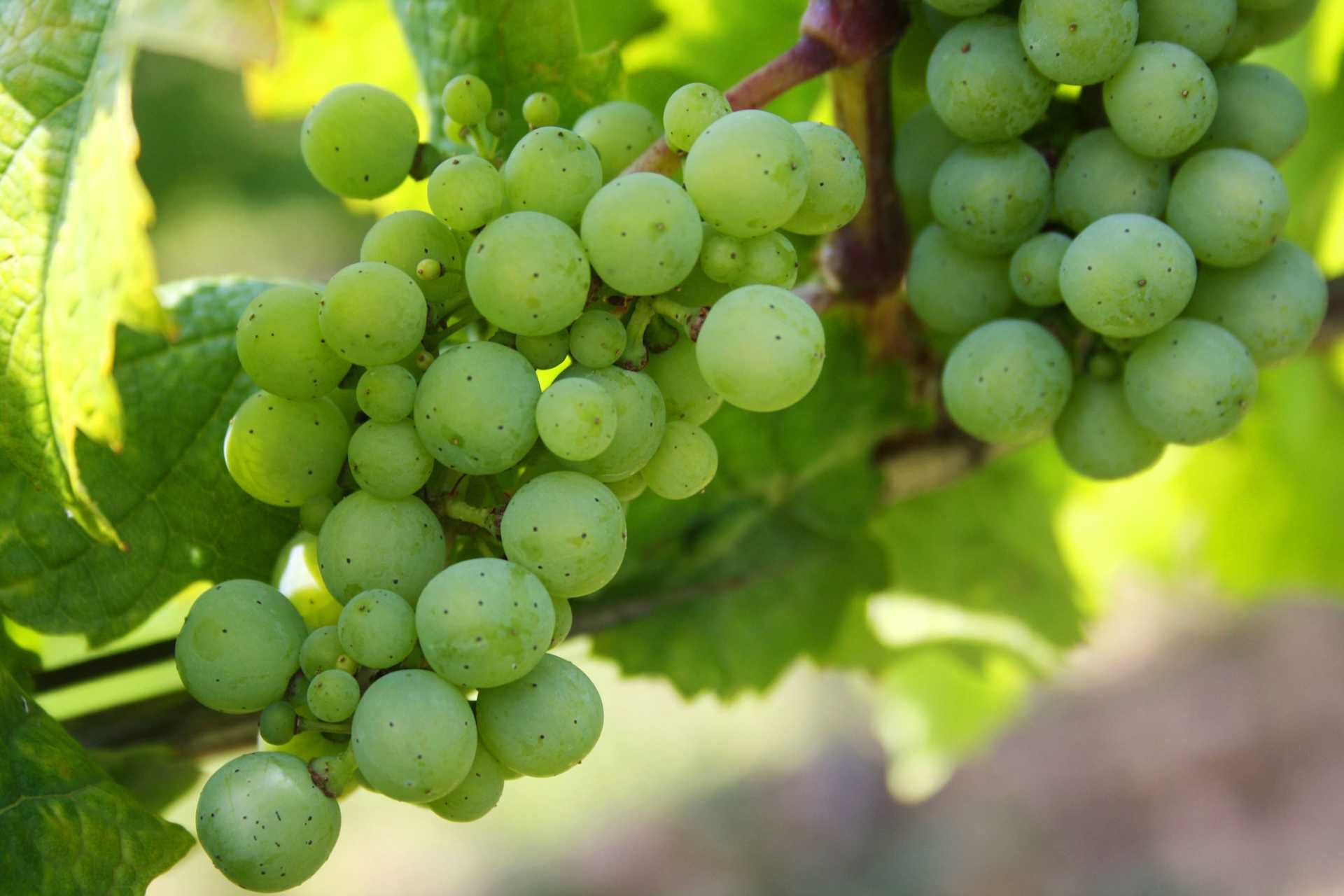
With hundreds of white grape varieties to choose from, winemakers have the freedom to create a virtually endless assortment of blended white wines. In many European regions, strict laws are in place determining the set of varieties that may be used in white wine blends, but in the New World, experimentation is permitted and encouraged. Blending can be utilized to enhance balance or create complexity, lending different layers of flavors and aromas. For example, a variety that creates a soft and full-bodied white wine blend, like Chardonnay, would do well combined with one that is more fragrant and naturally high in acidity. Sometimes small amounts of a particular variety are added to boost color or aromatics. Blending can take place before or after fermentation, with the latter, more popular option giving more control to the winemaker over the final qualities of the wine.

A cheerful, translucid, lemon-yellow and slightly pétillant white wine, Vinho Verde literally means ‘green wine’ and is named after the northwest Portugese region from which it originates. The ‘green’ in the name refers to the youthful state in which the wines are customarily released and consumed, not the color of the wine.
It is typically a blend of various percentages of Alvarinho, Loureiro, Trajadura, and Pedernã (Arinto). Following initial alcoholic fermentation, a natural, secondary malolactic conversion in cask produces carbon dioxide, giving Vinho Verde its charmingly light sparkle.