

Winemaker Notes
Professional Ratings
-
Robert Parker's Wine Advocate
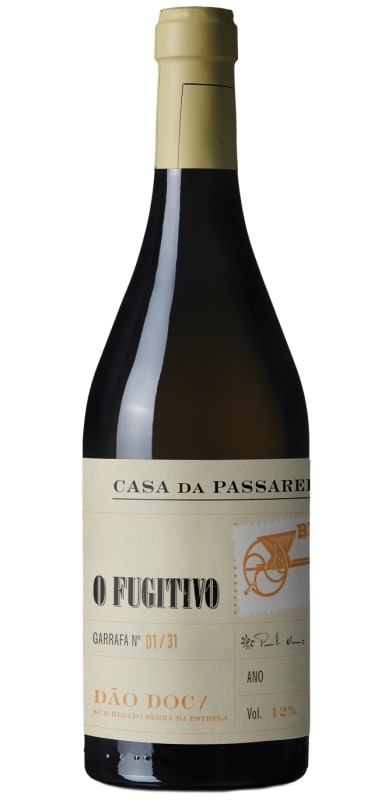
The 2019 Branco O Fugitivo em Curtimenta is an unoaked and very dry field blend (grapes like Encruzado, Uva-Cão, Bical, Terrantez, and so on) from old vines. It was aged for 12 months in used French oak and comes in at 12.6% alcohol. Big, burly and powerful, this alternates tannins and acidity. Like most orange wines, it is not really a normal white, showing more power and sometimes feeling more like a red. It does have an orange tinge too. This is something that probably should be drunk a bit warmer than most whites, but it always will need a food pairing. That said, it is a well-balanced and well-constructed Curtimenta (meaning skin contact in fermentation, here, for four weeks) that often seems exceptional.


With hundreds of white grape varieties to choose from, winemakers have the freedom to create a virtually endless assortment of blended white wines. In many European regions, strict laws are in place determining the set of varieties that may be used in white wine blends, but in the New World, experimentation is permitted and encouraged. Blending can be utilized to enhance balance or create complexity, lending different layers of flavors and aromas. For example, a variety that creates a soft and full-bodied white wine blend, like Chardonnay, would do well combined with one that is more fragrant and naturally high in acidity. Sometimes small amounts of a particular variety are added to boost color or aromatics. Blending can take place before or after fermentation, with the latter, more popular option giving more control to the winemaker over the final qualities of the wine.

Producing some of the country’s most dignified and mineral-driven red wines, Dão is positioned in north central Portugal where granite mountains surround and shelter the region from any Atlantic maritime influence. Summers are long and warm; winters see abundant rainfall.