
Winemaker Notes
Professional Ratings
-
Wine Enthusiast
#36 Wine Enthusiast Top 100 of 2016
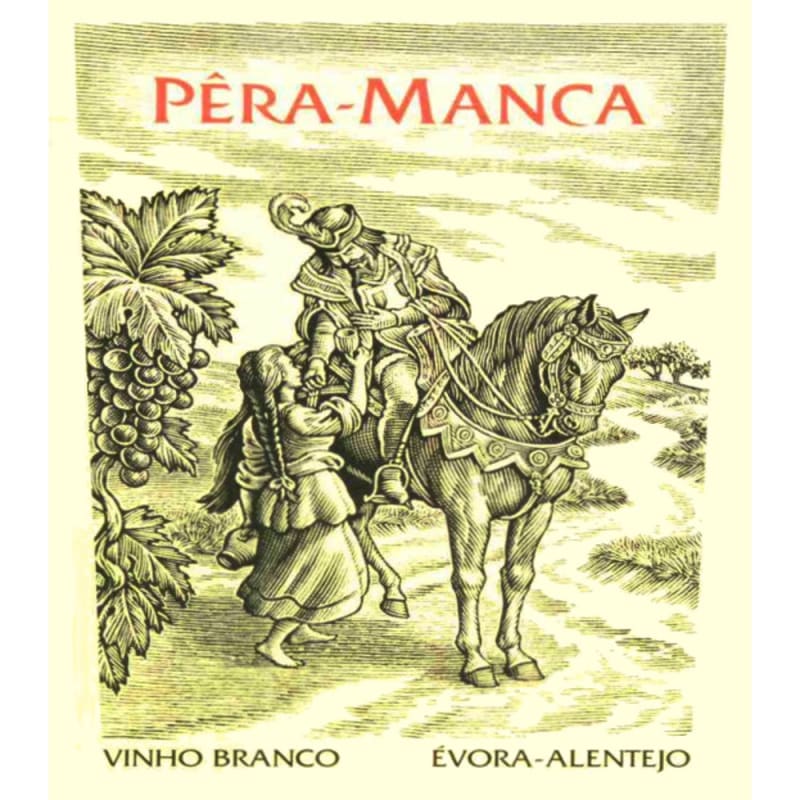
The name of the wine goes back to the 15th century when it was exported to the Portuguese colonies. It is an iconic wine in Portugal; the white is a blend of Antão Vaz and Arinto. Aged in wood, it has density and concentration as well as opulent yellow fruit and pear flavors. It is a beautiful wine, rich while also so stylish. Drink from 2018.

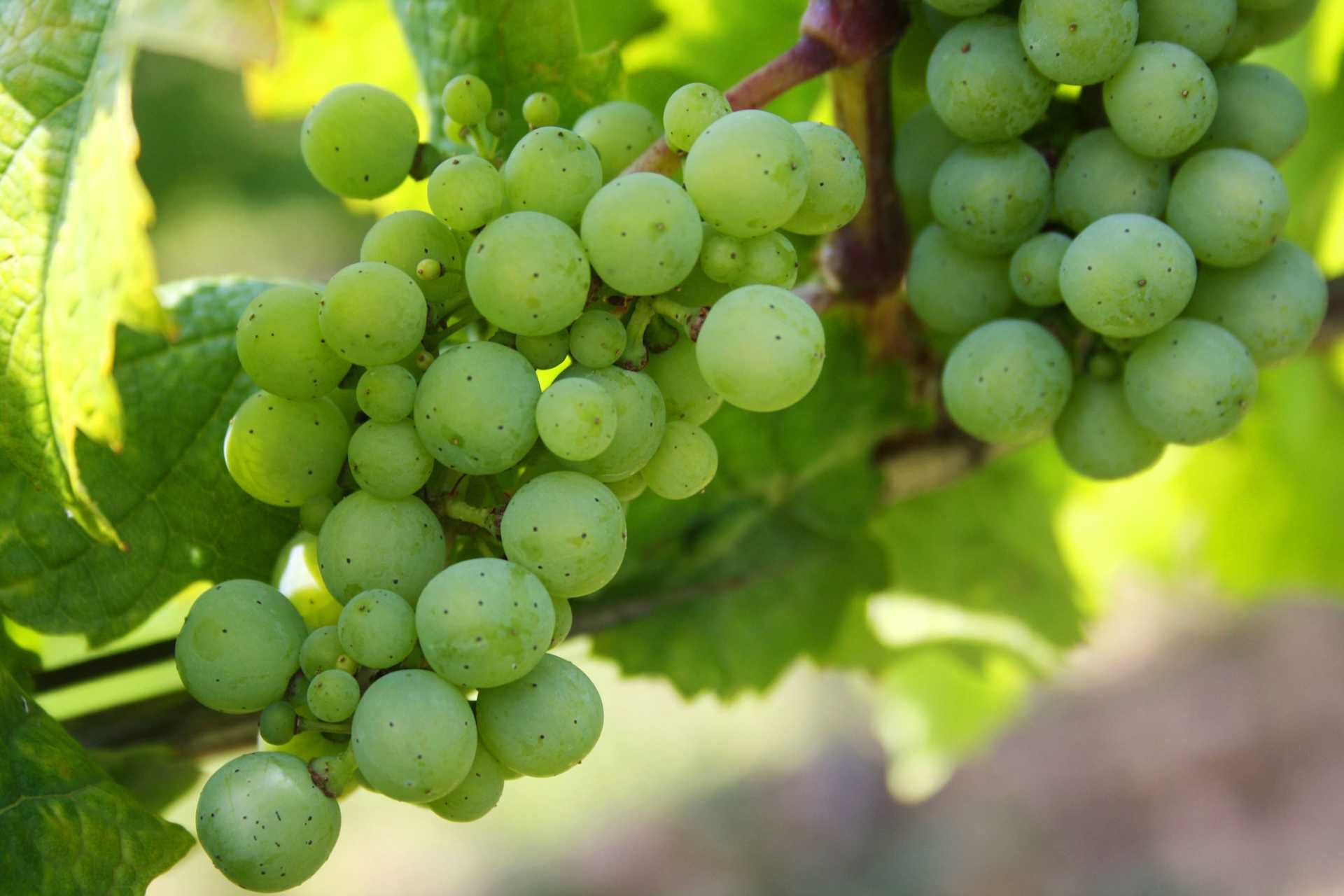
With hundreds of white grape varieties to choose from, winemakers have the freedom to create a virtually endless assortment of blended white wines. In many European regions, strict laws are in place determining the set of varieties that may be used in white wine blends, but in the New World, experimentation is permitted and encouraged. Blending can be utilized to enhance balance or create complexity, lending different layers of flavors and aromas. For example, a variety that creates a soft and full-bodied white wine blend, like Chardonnay, would do well combined with one that is more fragrant and naturally high in acidity. Sometimes small amounts of a particular variety are added to boost color or aromatics. Blending can take place before or after fermentation, with the latter, more popular option giving more control to the winemaker over the final qualities of the wine.

Responsible for a majority of Portugal’s fine wine production—and over half of the world’s cork production—Alentejo represents a major force in Portugal’s wine industry. This southern Portugese region is characterized by stretches of rolling plains and vineyards dotted with majestic cork oaks. Access to land enables the farmers of Alentejo to produce wines in great economies of scale, without compromising quality, compared to those regions to the north. The region of Alentejo indeed covers a third of the country.
Its classified (DOP) wines must come from one of eight subregions, where elevations are a bit higher, air cooler and less fertile soils are perfect for vines. The optimal regions are Portalegre, Borba, Redondo, Reguengos de Monsaraz, Granja-Amareleja, Vidigueira, Evora and Moura. Alentejo is not without the conveniences of modern winemaking as well. Irrigation supplements low rainfall and temperature control in the winery assures high quality wines.
The potential of the area has attracted many producers and its wine production continues to grow. Alentejo’s charming, fruit-forward wines have naturally led to local and global popularity.
White wines tend to be blends of Antão Vaz, Roupeiro and Arinto. However, in growing proportions, the white grapes Verdelho, Alvarinho and Viognier have been enjoying success. But red varieties actually exceed whites in Alentejo. Aragonez, Trincadeira, Alicante Bouschet and Castelão grapes blend well together and are responsible for most of the Alentejo reds.