


Winemaker Notes
This wine is a light straw-yellow with greenish hues. An intense bouquet on the nose of apricot, green grass and elderflower with a hint of vanilla making a well-structured wine on the palate with wonderfully balanced acidity and a long satisfying finish. Strong and vibrant, not unlike the ancient Roman for which it is named.
Professional Ratings
-
James Suckling
This has a very wide spectrum of aromas, ranging from yellow grapefruit and melon to yellow peach and honeysuckle. So succulent, yet beautifully balanced and properly dry, this is a remarkably polished sauvignon that’s so easy to enjoy. Just keeps pumping out the fruit at the long, ripe finish. Drink or hold.
-
Robert Parker's Wine Advocate
The 2020 Alto Adige Sauvignon Blanc Andrius has a soft and slightly waxy texture with preserved lemon, candied apricot and dried orange zest. This wine takes a sophisticated look at Sauvignon Blanc, offering lasting richness with hints of toasted almond and sweet pie crust. Best after 2022.
-
Wine Enthusiast
Reserved at first, as if needing time to wake up, this Sauvignon Blanc is serious. Each aroma has a purity and place that shines in the glass with mandarin orange, lime, grapefruit, fresh mountain herbs and a flinty minerality. The palate is bright and vivid with a focus on mixed citrus flavors that are complemented by savory notes and mouthwatering acidity on the finish.


Capable of a vast array of styles, Sauvignon Blanc is a crisp, refreshing variety that equally reflects both terroir and varietal character. Though it can vary depending on where it is grown, a couple of commonalities always exist—namely, zesty acidity and intense aromatics. This variety is of French provenance. Somm Secret—Along with Cabernet Franc, Sauvignon Blanc is a proud parent of Cabernet Sauvignon. That green bell pepper aroma that all three varieties share is no coincidence—it comes from a high concentration of pyrazines (herbaceous aromatic compounds) inherent to each member of the family.
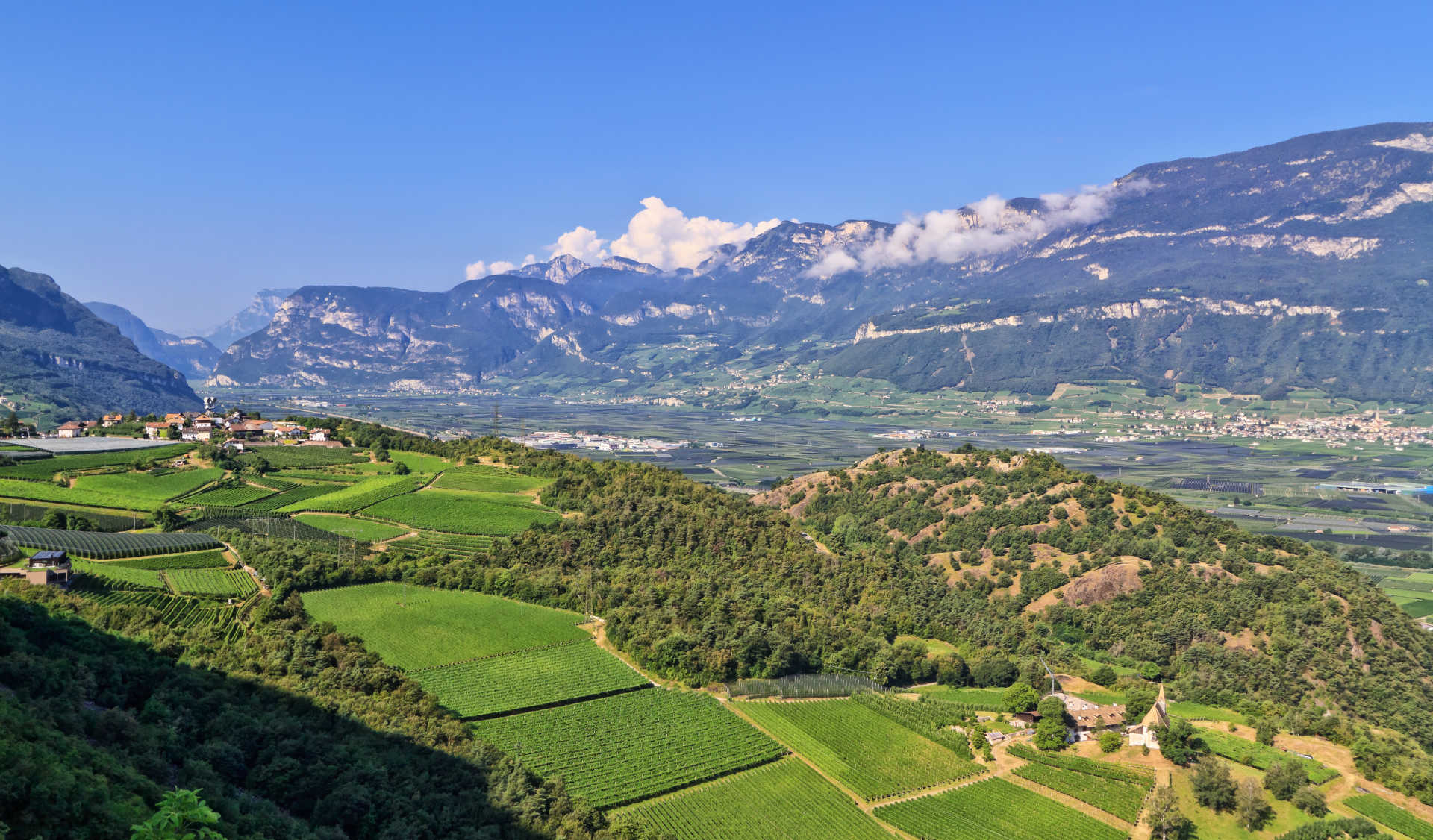
A mountainous northern Italian region heavily influenced by German culture, Trentino-Alto Adige is actually made up of two separate but similar regions: Alto Adige and Trentino.
Trentino, the southern half, is primarily Italian-speaking and largely responsible for the production of non-native, international grapes. There is a significant quantity of Chardonnay, Pinot Grigio and Merlot produced. But Trentino's native and most unique red variety, Teroldego, while still rare, is gaining popularity. It produces a deeply colored red wine rich in wild blackberry, herb, coffee and cocoa.
The rugged terrain of German-speaking Alto Adige (also referred to as Südtirol) focuses on small-scale viticulture, with great value placed on local varieties—though international varieties have been widely planted since the 1800s. Sheltered by the Alps from harsh northerly winds, many of the best vineyards are at extreme altitude but on steep slopes to increase sunlight exposure.
Dominant red varieties include the bold, herbaceous Lagrein and delicate, strawberry-kissed, Schiava, in addition to some Pinot Nero.
The primary white grapes are Pinot grigio, Gewürztraminer, Chardonnay and Pinot blanc, as well as smaller plantings of Sauvignon blanc, Müller Thurgau. These tend to be bright and refreshing with crisp acidity and just the right amount of texture. Some of the highest quality Pinot grigio in Italy is made here.