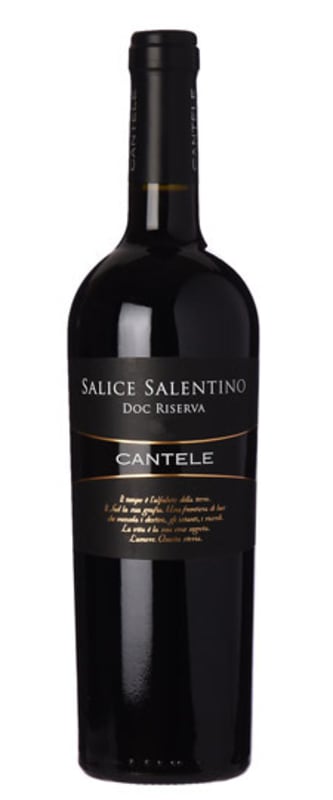


Winemaker Notes
Ruby red in color with garnet streaks, this wine offers intense and complex aromas of candied fruits and spices that evolve into clean underbrush, tea and amber. Enhanced by notes of red flowers, the same aromas linger on the palate, complemented by confident but not overbearing alcohol. The tannins and fresh acidity work together to create a balanced, smooth wine.
Ideal with roast veal and beef, game, lamb and ripe aged cheeses.
Professional Ratings
-
Wine Spectator
This fresh, medium-bodied red shows a lovely mix of ripe red and black fruit, currant, raspberry and blackberry flavors, with light, creamy tannins and hints of iron and herb. Drink now through 2024.

Italian Red Wine
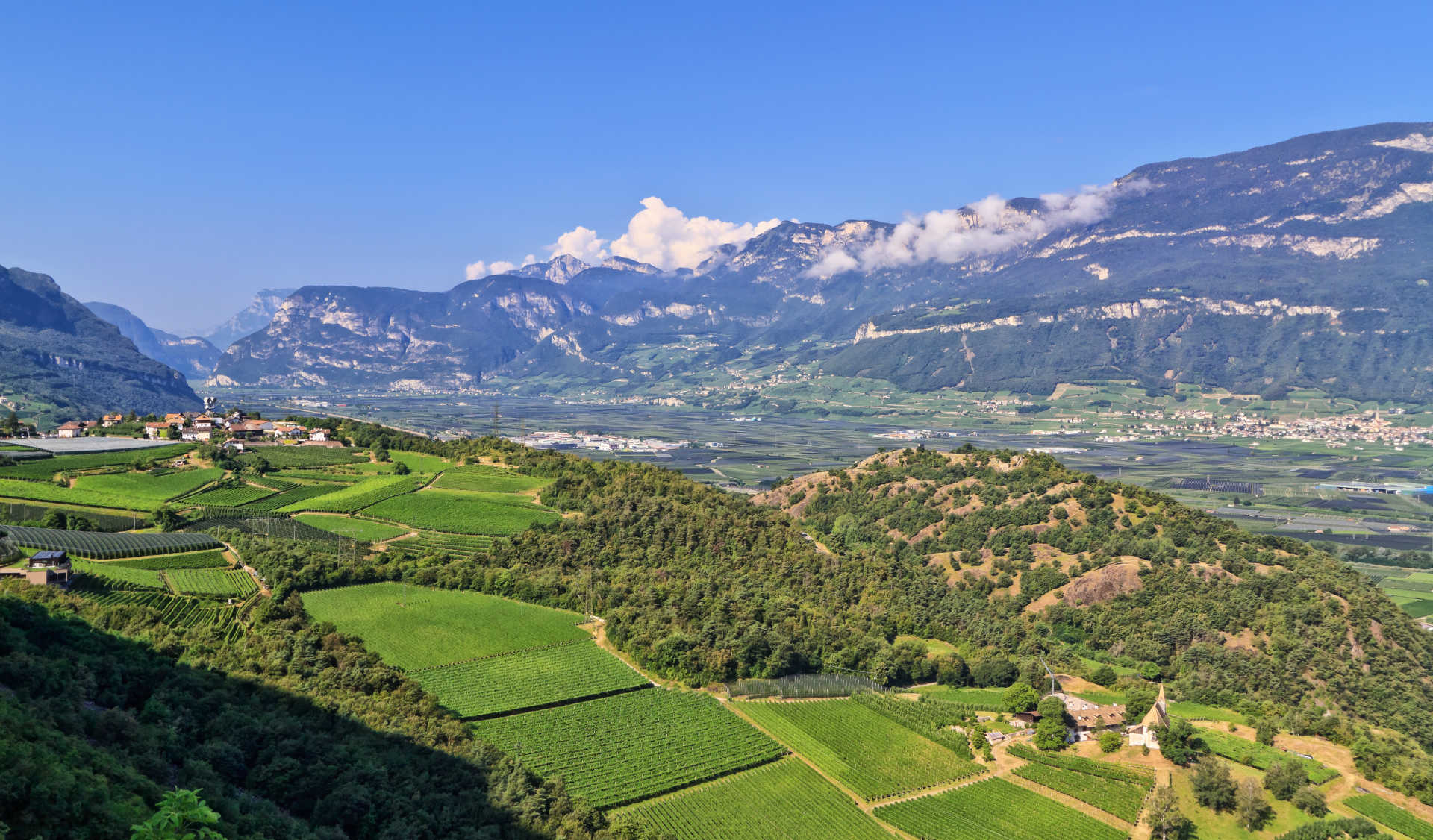
While picturesque hillsides, endless coastlines and a favorable climate serve to unify the grape-growing culture of this country. The apparent never-ending world of indigenous grape varieties gives Italy an unexampled charm and allure for its red wines. From the steep inclines of the Alps to the sprawling, warm, coastal plains of the south, red grape varieties thrive throughout.
The kings of Italy, wines like Barolo and Barbaresco (made of Nebbiolo), and Chianti and Brunello di Montalcino (made of Sangiovese), as well as Amarone (mostly Corvina), play center stage for the most lauded, collected and cellar-worthy reds. Less popular but entirely deserving of as much praise are the wines made from Aglianico, Sagrantino and Nerello Mascalese.
For those accustomed to drinking New World reds, the south is the place to start. Grapes like Negroamaro or Primitvo from Puglia and Nero d’Avola from Sicily make soft, ammicable, full-bodied, fruit-dominant wines. Curious palates should be on the lookout for Cannonau (Grenache), Lagrein, Teroldego, Ruché, Freisa, Cesanese, Schiopettino, Rossese and Gaglioppo to name a few.