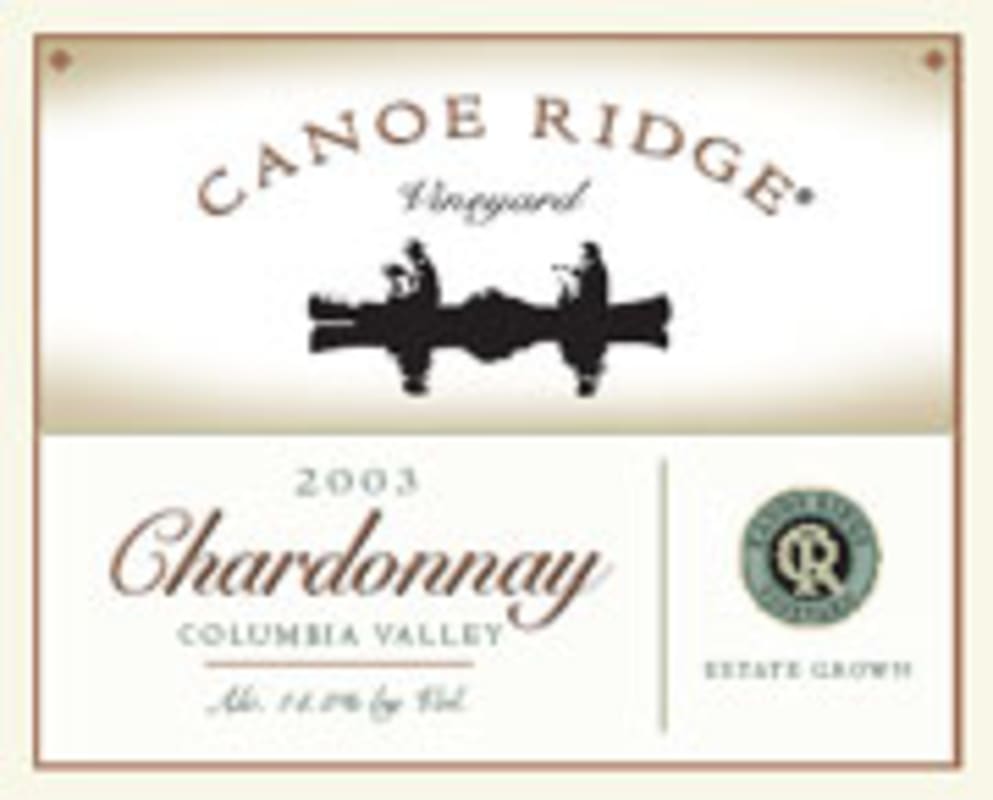

Winemaker Notes
ABOUT THE VINTAGE
The 2003 season started off a little on the cooler side but that quickly
changed in early June as it went on to become the warmest year since
1998. This resulted in an earlier harvest than usual and fairly compressed–
with everything ripening quite close together. It also made for
a situation where physiological maturity, sugar maturity and flavor
maturity coincided more so than in recent vintages.
ABOUT THE VINEYARD
Our estate vineyard sits above the Columbia River at its widest point,
and therefore the climate is moderated by this large mass of water. Its
location on the northeast side of the ridge protects the vineyard from
the wind that sweeps up the Columbia River gorge. The vines are own
rooted and planted in fine sandy loam soils with volcanic basalt subsoils,
which slow vine growth and produce grape clusters and berries that are
small and very concentrated in flavor and color. The fruit displays great
structure and balance.
ABOUT THE WINE
Our 2003 Chardonnay was made in a manner to emphasize the fruit
character in balance with the oak. A portion of the blend was barrel fermented,
while the other portion was stainless fermented. This resulted
in a wine with wonderful apple, pear and citrus notes, accented by some
caramel and toasted coconut aromas from the barrels. The mouthfeel is
crisp and clean, and there are hints of tropical fruit on the finish.
FOOD RECOMMENDATIONS
The crispness of this wine makes it a wonderful accompaniment to just
about any chicken dish. This Chardonnay is also a natural with seafood
dishes such as grilled shrimp, seafood paella and, of course, wild
salmon. A Canoe Crew favorite is halibut filet encrusted with pistachios
and parmesan cheese.


One of the most popular and versatile white wine grapes, Chardonnay offers a wide range of flavors and styles depending on where it is grown and how it is made. While it tends to flourish in most environments, Chardonnay from its Burgundian homeland produces some of the most remarkable and longest lived examples. California produces both oaky, buttery styles and leaner, European-inspired wines. Somm Secret—The Burgundian subregion of Chablis, while typically using older oak barrels, produces a bright style similar to the unoaked style. Anyone who doesn't like oaky Chardonnay would likely enjoy Chablis.

A large and geographically diverse AVA capable of producing a wide variety of wine styles, the Columbia Valley AVA is home to 99% of Washington state’s total vineyard area. A small section of the AVA even extends into northern Oregon!
Because of its size, it is necessarily divided into several distinctive sub-AVAs, including Walla Walla Valley and Yakima Valley—which are both further split into smaller, noteworthy appellations. A region this size will of course have varied microclimates, but on the whole it experiences extreme winters and long, hot, dry summers. Frost is a common risk during winter and spring. The towering Cascade mountain range creates a rain shadow, keeping the valley relatively rain-free throughout the entire year, necessitating irrigation from the Columbia River. The lack of humidity combined with sandy soils allows for vines to be grown on their own rootstock, as phylloxera is not a serious concern.
Red wines make up the majority of production in the Columbia Valley. Cabernet Sauvignon is the dominant variety here, where it produces wines with a pleasant balance of dark fruit and herbs. Wines made from Merlot are typically supple, with sweet red fruit and sometimes a hint of chocolate or mint. Syrah tends to be savory and Old-World-leaning, with a wide range of possible fruit flavors and plenty of spice. The most planted white varieties are Chardonnay and Riesling. These range in style from citrus and green apple dominant in cooler sites, to riper, fleshier wines with stone fruit flavors coming from the warmer vineyards.