

Winemaker Notes
Professional Ratings
-
Wine & Spirits
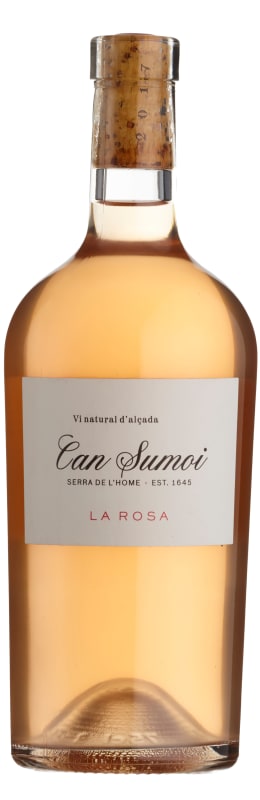
This rosé smells and tastes like a savory red wine, fresh and clean, with tannins inherent in the seedy-berry flavors. This comes from a 1,000-acre estate in the mountains of Penedès, where Pepe Raventós of Raventós i Blanc has teamed up with Francesc Escala to renovate old vineyards and produce wines without any additions. This one is a blend of sumoll (50 percent) with parellada and xarel-lo, gaining its color from four hours on the skins, coming in at a refreshing 10.7 percent alcohol.


Whether it’s playful and fun or savory and serious, most rosé today is not your grandmother’s White Zinfandel, though that category remains strong. Pink wine has recently become quite trendy, and this time around it’s commonly quite dry. Since the pigment in red wines comes from keeping fermenting juice in contact with the grape skins for an extended period, it follows that a pink wine can be made using just a brief period of skin contact—usually just a couple of days. The resulting color depends on grape variety and winemaking style, ranging from pale salmon to deep magenta.

A superior source of white grapes for the production of Spain’s prized sparkling wine, Cava, the Penedes region is part of Catalunya and sits just south of Barcelona. Medio Penedès is the most productive source of the Cava grapes, Macabeo, Xarel-lo, and Parellada. Penedes also grows Garnacha and Tempranillo (here called Ull de Llebre in Catalan), for high quality reds and rosès.