

Winemaker Notes
Professional Ratings
-
Robert Parker's Wine Advocate
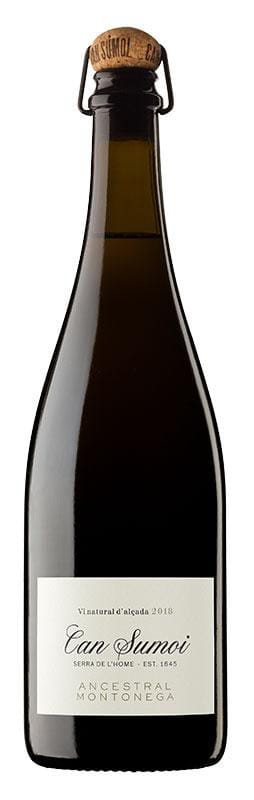
The sparkling 2018 Ancestral Montonega was produced with the grapes from one plot of the Parellada strain cultivated in the high-altitude Pla de Manlleu of Penedès but is sold without appellation of origin. In this second vintage, the wine finished fermenting in bottle without problems and doesn't have the unfermented sugar that remained in 2017. I like it in this style much better (it was an accident last year, as they aim for dry wines). It's direct and fresh, with citrus and fennel notes and very good acidity. There are flavors reminiscent of the Mediterranean herbs you find on the property, with very fine bubbles and a sharp, fresh and mineral finish. This is an improvement over the wine from last year. 6,500 bottles produced.


Representing the topmost expression of a Champagne house, a vintage Champagne is one made from the produce of a single, superior harvest year. Vintage Champagnes account for a mere 5% of total Champagne production and are produced about three times in a decade. Champagne is typically made as a blend of multiple years in order to preserve the house style; these will have non-vintage, or simply, NV on the label. The term, "vintage," as it applies to all wine, simply means a single harvest year.

A superior source of white grapes for the production of Spain’s prized sparkling wine, Cava, the Penedes region is part of Catalunya and sits just south of Barcelona. Medio Penedès is the most productive source of the Cava grapes, Macabeo, Xarel-lo, and Parellada. Penedes also grows Garnacha and Tempranillo (here called Ull de Llebre in Catalan), for high quality reds and rosès.