


Winemaker Notes
Blend: 58% Cabernet Sauvignon, 18% Cabernet Franc, 17% Merlot, 5% Petit Verdot, 2% Malbec
Professional Ratings
-
Wine Enthusiast
This expertly blends a majority of Cabernet Sauvignon with smaller amounts of Cabernet Franc, Merlot, Petit Verdot and Malbec, in that order. Grippy, it's quite savory, highlighted in cedar and pencil shavings that dot a sublime, supple core of tannin, seasoned in dried herb.
-
Jeb Dunnuck
A blend of 58% Cabernet Sauvignon, 18% Cabernet Franc, 17% Merlot and the rest Petit Verdot and Malbec, the 2014 Calluna Estate offers a deep ruby/purple color to go with a brilliant bouquet of blueberries, plums, Asian spice, and cedar. It also picks up classic tobacco and cigar notes with time in the glass. It’s medium-bodied, nicely concentrated, and balanced, with fine tannin. Give bottles a few years and it should keep for 15+ years.
Rating: 93+ -
Wine Spectator
Exhibits a distinct herbal bent, very rich and structured, with strong, supportive tannins that cut through the core of dark berry flavors. Ends with a lead pencil and graphite profile. Has the intensity and depth to age, provided the tannins don't overwhelm it. Cabernet Sauvignon, Cabernet Franc, Merlot, Petit Verdot and Malbec. Best from 2019 through 2029. 1,095 cases made.
-
Wine & Spirits
David Jeffrey planted 12 acres of vines on a plateau in 2005 and now blends five Bordeaux varieties into this wine. As is typical of his style, this 2014 is all lean muscle with very little fat. Even so, it feels rich and cushioned, its coolness and firmness ending with some paprika-like spice. This is built to age.
-
Robert Parker's Wine Advocate
Medium to deep garnet-purple colored, the 2014 Calluna Estate gives expressive plum and black berry notes with spice box and incense nuances and an herbal background. Firm, taut and elegant with plenty of expression, the medium-bodied palate is finely constructed with great intensity and length.
Rating: 90+


One of the world’s most classic and popular styles of red wine, Bordeaux-inspired blends have spread from their homeland in France to nearly every corner of the New World. Typically based on either Cabernet Sauvignon or Merlot and supported by Cabernet Franc, Malbec and Petit Verdot, the best of these are densely hued, fragrant, full of fruit and boast a structure that begs for cellar time. Somm Secret—Blends from Bordeaux are generally earthier compared to those from the New World, which tend to be fruit-dominant.
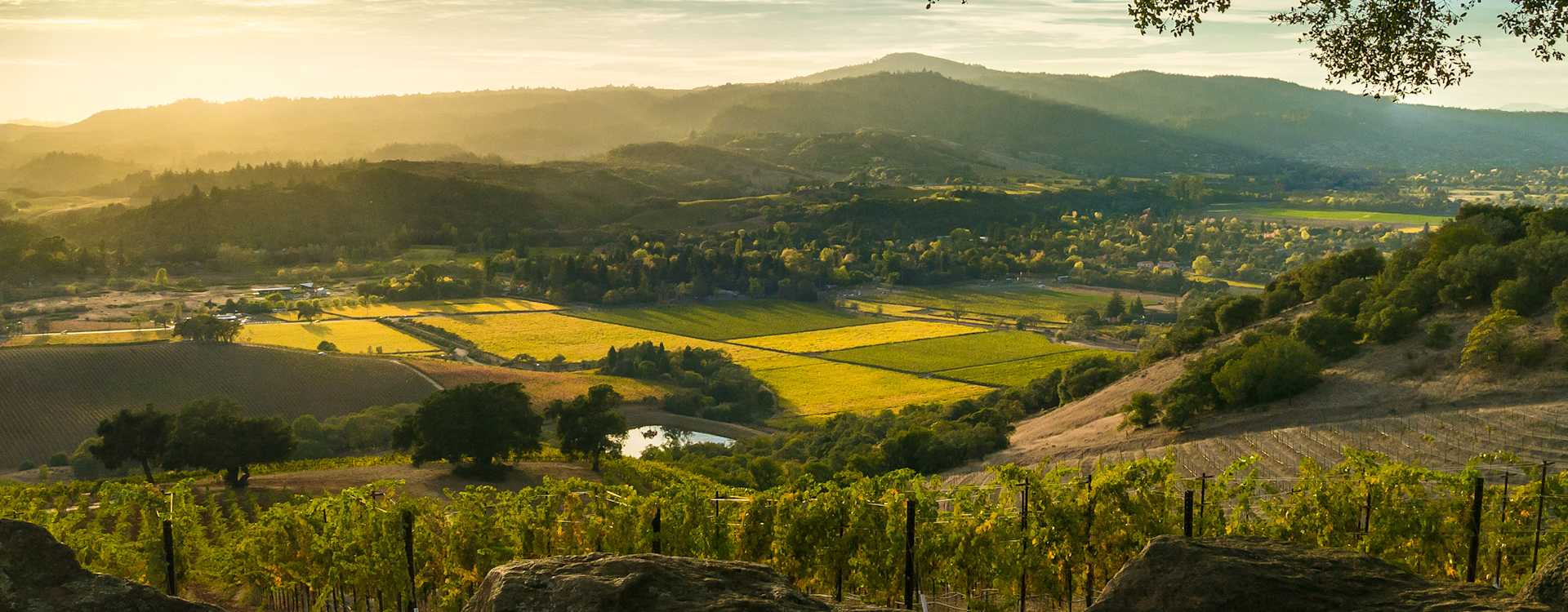
Home to a diverse array of smaller AVAs with varied microclimates and soil types, Sonoma County has something for every wine lover. Physically twice as large as Napa Valley, the region only produces about half the amount of wine but boasts both tremendous quality and variety. With its laid-back atmosphere and down-to-earth attitude, the wineries of Sonoma are appreciated by wine tourists for their friendliness and approachability. The entire county intends to become a 100% sustainable winegrowing region by 2019.
Sonoma County wines are produced with carefully selected grape varieties to reflect the best attributes of their sites—Dry Creek Valley’s consistent sunshine is ideal for Zinfandel, while the warm Alexander Valley is responsible for rich, voluptuous red wines like Cabernet Sauvignon. Chardonnay and Pinot Noir are important throughout the county, most notably in the cooler AVAs of Russian River, Sonoma Coast and Carneros. Sauvignon Blanc, Merlot and Syrah have also found a firm footing here.