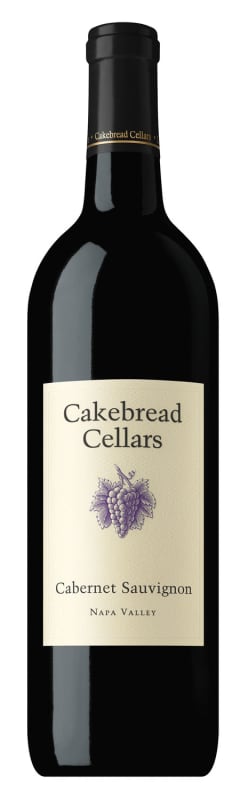


Winemaker Notes
Professional Ratings
-
James Suckling
An attractive wine with blueberry, mineral and dark chocolate aromas and flavors. Medium to full body, silky tannins and a delicious finish.
-
Wine Enthusiast
Sizable, tightly woven tannin wraps itself around black fruit with moderate acidity in this thick, tangy wine, which has 9% Merlot, 5% Cabernet Franc and 3% Petit Verdot within the blend. Given less than two years in French oak, 60% of it new, it's an approachable, enjoyable wine that will also age. Drink now through 2021.
-
Robert Parker's Wine Advocate
The 2013 Cabernet Sauvignon has beautiful crème de cassis fruit, excellent structure on the palate’s backside and represents a blend of 83% Cabernet Sauvignon, 9% Merlot, 5% Cabernet Franc and the rest Petit Verdot. Aged primarily in French oak, the wine is youthful and young, with the coiled, restrained character of many 2013s, but the concentration is impressive and the purity is there. Beautiful black and blue fruits are obvious, and the wine structured, delineated and vibrant. There is a reasonably good value as well. Give it another 6-12 months bottle age, and drink it over the following 12-15 years. Rating: 90+
-
Wine & Spirits
Bright and lovely up front, with clean scents of fresh red berries, this builds to full-on oakiness in the end. The oak tannins cushion the wine, but also weigh it down with some bitterness, lasting on the scent of espresso-roast coffee beans. A grilled sirloin will bring the wine into balance.


One of the most prestigious wines of the world capable of great power and grace, Napa Valley Cabernet is a leading force in the world of fine, famous, collectible red wine. Today the Napa Valley and Cabernet Sauvignon are so intrinsically linked that it is difficult to discuss one without the other. But it wasn’t until the 1970s that this marriage came to light; sudden international recognition rained upon Napa with the victory of the Stag’s Leap Wine Cellars 1973 Cabernet Sauvignon in the 1976 Judgement of Paris.
Cabernet Sauvignon undoubtedly dominates Napa Valley today, covering half of the land under vine, commanding the highest prices per ton and earning the most critical acclaim. Cabernet Sauvignon’s structure, acidity, capacity to thrive in multiple environs and ability to express nuances of vintage make it perfect for Napa Valley where incredible soil and geographical diversity are found and the climate is perfect for grape growing. Within the Napa Valley lie many smaller sub-AVAs that express specific characteristics based on situation, slope and soil—as a perfect example, Rutherford’s famous dust or Stags Leap District's tart cherry flavors.