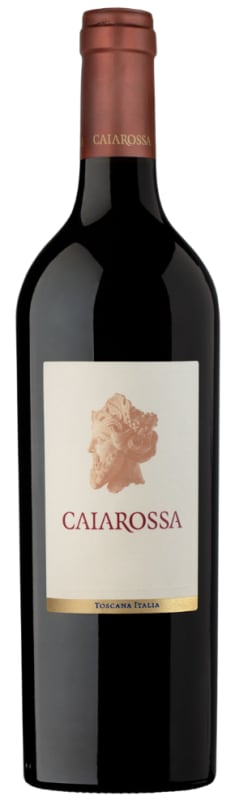


Winemaker Notes
Plot vinification is carried out in order to preserve the expression of each terroir and each grape variety. The vinification takes place in concrete vats and wooden vats with slow fermentations and gentle extractions. After malolactic fermentation and blending, the wines are aged in French oak barrels (30% new barrels) for 14 months. An additional 4 months aging in concrete vats is carried out before bottling, after which the wine is aged for another year in the bottle before being marketed.
Blend: 26% Syrah, 24% Cabernet Franc, 23% Merlot, 14% Cabernet Sauvignon, 7% Petit Verdot, 4% Sangiovese and 2% Grenache
Professional Ratings
-
James Suckling
This is an intense, full-bodied yet very well-balanced and polished red with velvety, firm and caressing tannins. Ripe black plums, blueberries, chocolate, mocha, sweet spice and dried lavender. Some oyster shells, too. Layered and full of character. Creamy at the end from the polished tannins. 26% syrah, 24% cabernet franc, 23% merlot, 14% cabernet sauvignon, 7% petit verdot, 4% sangiovese and 2% grenache. From biodynamically grown grapes. Drink from 2026.
-
Robert Parker's Wine Advocate
The Caiarossa 2019 Caiarossa is a complex blend featuring Cabernet Franc, Merlot, Cabernet Sauvignon, Petit Verdot, Sangiovese, Syrah and Alicante from vineyard sites across this beautiful property in the high hills off the Tuscan coast. This organic and biodynamic wine is full and generous to the palate, yet it never feels heavy or too extracted. The wine is balanced and fresh with thick layers of dark fruit, crushed stone, tobacco and exotic spice.
-
Wine Spectator
This red is smooth, yet with no shortage of structure, setting up the flavors of plum, blackberry, black pepper and toasty oak. Well-balanced, with a persistent aftertaste of fruit and spices. Syrah, Cabernet Franc, Merlot, Cabernet Sauvignon, Petit Verdot, Sangiovese and Grenache. Better than previously reviewed. Best from 2025 through 2036.


Legendary in Italy for its Renaissance art and striking landscape, Tuscany is also home to many of the country’s best red wines. Sangiovese reigns supreme here, as either the single varietal, or a dominant player, in almost all of Tuscany’s best.
A remarkable Chianti, named for its region of origin, will have a bright acidity, supple tannins and plenty of cherry fruit character. From the hills and valleys surrounding the medieval village of Montalcino, come the distinguished and age-worthy wines based on Brunello (Sangiovese). Earning global acclaim since the 1970s, the Tuscan Blends are composed solely of international grape varieties or a mix of international and Sangiovese. The wine called Vine Nobile di Montepulciano, composed of Prognolo Gentile (Sangiovese) and is recognized both for finesse and power.