


Winemaker Notes
Professional Ratings
-
Wine Spectator
This is elegant, featuring violet, blackberry and black currant flavors buoyed by lively acidity. Firm and dense, with dusty tannins and black pepper notes reining in the finish.
-
Decanter
Giacosa is best known for the world class Barbaresco and Barolo his family have been making since 1871. Luckily, his skill filters all the way down through the range. This Dolcetto is made from managed vineyards that are chosen for their high quality. It is a wonderful grape that makes easy drinking reds in the vein of the Beaujolais crus.
Here there is plenty of sweet red cherry fruit and vanilla, with iodine and mineral undertones. The texture is nice and soft but with enough tannin to bring the ripeness and acidity together. Quite complex for a Dolcetto, very defined and pure.
-
James Suckling
This is so fruity and juicy with dried berry and hints of walnuts. Medium to full body, bright and lively. Real dolcetto.
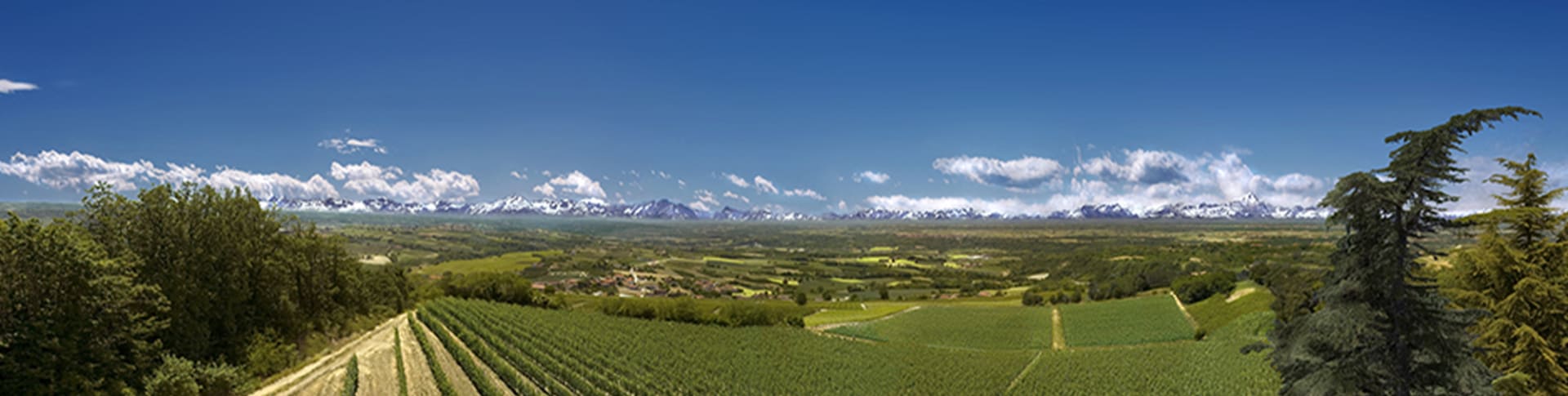


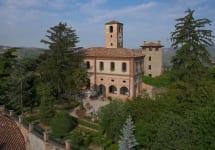
One of the legendary winemakers of the world, Bruno Giacosa crafted the most prestigious single-vineyard Barolo and Barbaresco wines during a career that spanned nearly eight decades. He joined the family business at the age of 15, representing the third generation of his Langhe winemaking family. Giacosa’s unfailing pursuit of perfection, his unrivalled palate and his intimate knowledge of vineyards in the Langhe quickly drew recognition and helped establish Piedmont as a leading wine region. In 1982, Giacosa began to acquire prime parcels in Serralunga d’Alba, La Morra and Barbaresco to produce wines that are rightly regarded as the finest expressions of Nebbiolo.
His legacy rests with daughter Bruna, who continues to uphold her father’s winemaking philosophy to respect traditional techniques while using the best of modern technology. The goal is for each distinguished site to produce articulate, unique wines.
The “Azienda Agricola Falletto – di Bruno Giacosa” label represents wines made from estate vineyards. The “Casa Vinicola Bruno Giacosa” label appears on wines made from purchased grapes that are made with the same care in the Nieve winery.
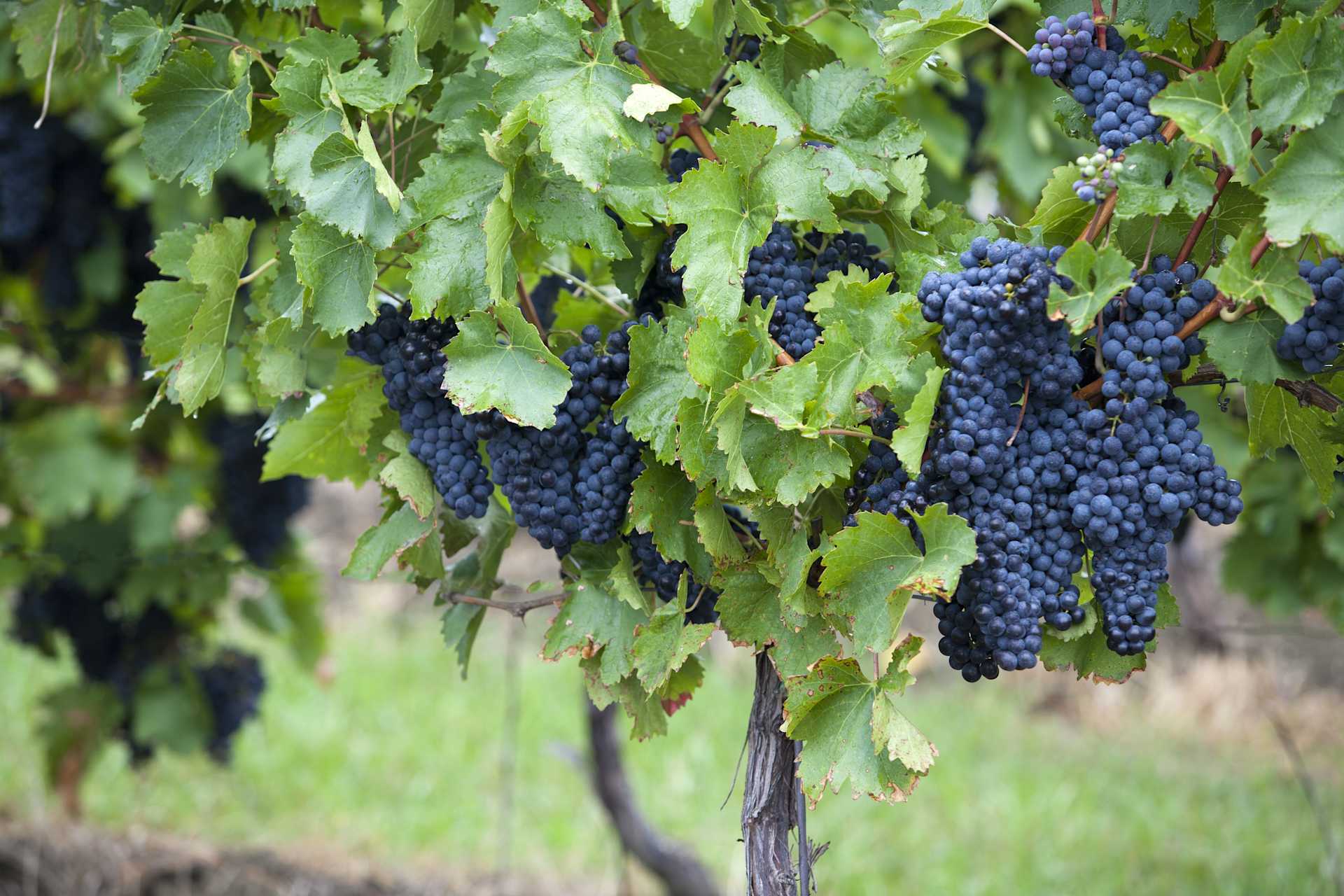
An easy drinking red with soft fruity flavors—but catchy tannins, Dolcetto is often enjoyed in its native Piedmont on a casual weekday night, or for apertivo (the canonical Piedmontese pre-dinner appetizer hour). Somm Secret—In most of Piedmont, easy-ripening Dolcetto is relegated to the secondary sites—the best of which are reserved for the king variety: Nebbiolo. However, in the Dogliani zone it is the star of the show, and makes a more serious style of Dolcetto, many of which can improve with cellar time.

An historic village situated right in between the famous regions of Barolo and Barbaresco, Alba is also the name for the larger wine region surrounding the village.
In a sense, “Alba” is a catch-all phrase, and includes the declassified Nebbiolo wines made in Barolo and Barbaresco, as well as the Nebbiolo grown just outside of these regions’ borders. In fact, Nebbiolo d’Alba is a softer, less tannic and more fruit-forward wine ready to drink within just a couple years of bottling. It is a great place to start if you want to begin to understand the grape. Likewise, the even broader category of Langhe Nebbiolo offers approachable and value-driven options as well.
Barbera, planted alongside Nebbiolo in the surrounding hills, and referred to as Barbera d’Alba, takes on a more powerful and concentrated personality compared to its counterparts in Asti.
Dolcetto is ubiquitous here and, known as Dolcetto d'Alba, can be found casually served alongside antipasti on the tables of Alba’s cafes and wine bars.
Not surprisingly, given its location, Alba is recognized as one of Italy’s premiere culinary destinations and is the home of the fall truffle fair, which attracts visitors from worldwide every year.