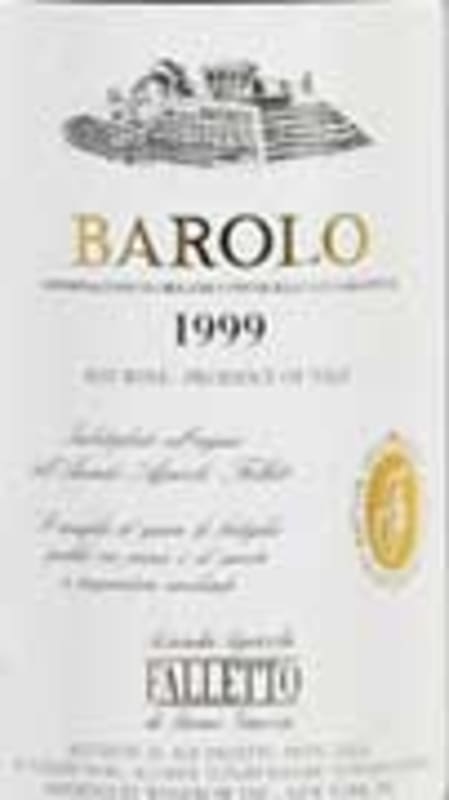

Winemaker Notes
Made from 100% Nebbiolo
The first vintage was bottled in 1961, and 7,500 bottles are produced annually.
Production area: Falletto - located 1,440 ft. above sea level, with
southwestern exposure and a clay, chalky soil composition
Vineyard characteristics: 8.5 acres planted in 1980-1995 with a density of 1,600 vines per acre. The vines are planted in the guyot method and yield 2.5 tons per acre.
The harvest was carried out in the first week of october
Vinification & Aging
Type of Press: pneumatic
Method of extraction: multiple pumpovers
Length of Maceration: 20 days
Fermented in stainless steel tanks at a temperature of 86 degrees for 19 days.
Malolactic fermentation is totally carried out
The wine is not refrigerated prior to bottling.
Filtered: Unfiltered
Fining: Unfined
Aging Container:
Type: French oak barrels
Age: 4-10 years old Size: 55 HL
The wine is aged for 3 years prior to release from the winery.
Total Acidity: 5.95 gram(s) per liter
pH: 3.45
Dry Extract: 27.50 gram(s) per liter
Alcohol Content: 13.60 % alc. by volume
Residual Sugars: 1.70 gram(s) per liter
So2: 53 milligrams per liter
Professional Ratings
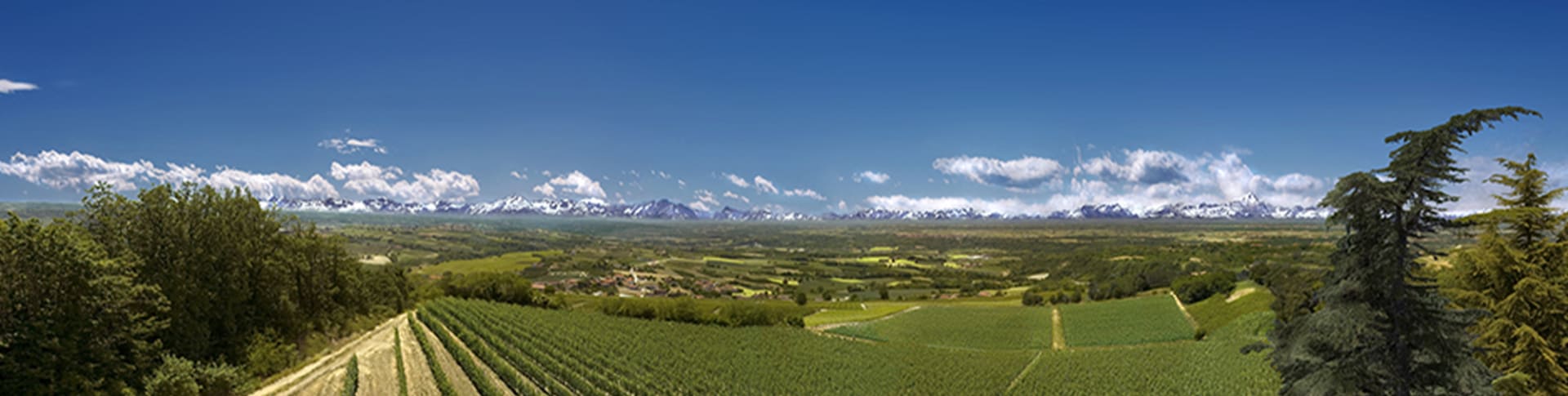


One of the legendary winemakers of the world, Bruno Giacosa crafted the most prestigious single-vineyard Barolo and Barbaresco wines during a career that spanned nearly eight decades. He joined the family business at the age of 15, representing the third generation of his Langhe winemaking family. Giacosa’s unfailing pursuit of perfection, his unrivalled palate and his intimate knowledge of vineyards in the Langhe quickly drew recognition and helped establish Piedmont as a leading wine region. In 1982, Giacosa began to acquire prime parcels in Serralunga d’Alba, La Morra and Barbaresco to produce wines that are rightly regarded as the finest expressions of Nebbiolo.
His legacy rests with daughter Bruna, who continues to uphold her father’s winemaking philosophy to respect traditional techniques while using the best of modern technology. The goal is for each distinguished site to produce articulate, unique wines.
The “Azienda Agricola Falletto – di Bruno Giacosa” label represents wines made from estate vineyards. The “Casa Vinicola Bruno Giacosa” label appears on wines made from purchased grapes that are made with the same care in the Nieve winery.

Responsible for some of the most elegant and age-worthy wines in the world, Nebbiolo, named for the ubiquitous autumnal fog (called nebbia in Italian), is the star variety of northern Italy’s Piedmont region. Grown throughout the area, as well as in the neighboring Valle d’Aosta and Valtellina, it reaches its highest potential in the Piedmontese villages of Barolo, Barbaresco and Roero. Outside of Italy, growers are still very much in the experimentation stage but some success has been achieved in parts of California. Somm Secret—If you’re new to Nebbiolo, start with a charming, wallet-friendly, early-drinking Langhe Nebbiolo or Nebbiolo d'Alba.

The center of the production of the world’s most exclusive and age-worthy red wines made from Nebbiolo, the Barolo wine region includes five core townships: La Morra, Monforte d’Alba, Serralunga d’Alba, Castiglione Falletto and the Barolo village itself, as well as a few outlying villages. The landscape of Barolo, characterized by prominent and castle-topped hills, is full of history and romance centered on the Nebbiolo grape. Its wines, with the signature “tar and roses” aromas, have a deceptively light garnet color but full presence on the palate and plenty of tannins and acidity. In a well-made Barolo wine, one can expect to find complexity and good evolution with notes of, for example, strawberry, cherry, plum, leather, truffle, anise, fresh and dried herbs, tobacco and violets.
There are two predominant soil types here, which distinguish Barolo from the lesser surrounding areas. Compact and fertile Tortonian sandy marls define the vineyards farthest west and at higher elevations. Typically the Barolo wines coming from this side, from La Morra and Barolo, can be approachable relatively early on in their evolution and represent the “feminine” side of Barolo, often closer in style to Barbaresco with elegant perfume and fresh fruit.
On the eastern side of the Barolo wine region, Helvetian soils of compressed sandstone and chalks are less fertile, producing wines with intense body, power and structured tannins. This more “masculine” style comes from Monforte d’Alba and Serralunga d’Alba. The township of Castiglione Falletto covers a spine with both soil types.
The best Barolo wines need 10-15 years before they are ready to drink, and can further age for several decades.