


Winemaker Notes
Red garnet color with light orange hints. The bouquet is complex, with spicy notes, violets and fresh red fruit. On the mouth it is structured and full bodied with velvety tannins. Excellent persistence.
Professional Ratings
-
James Suckling
This opens beautifully on the nose, with strawberries, cherries and some flint, terra cotta, peaches and orange peel. Medium- to full-bodied with ultra-fine tannins that are ready. The consistency and length are so beautiful. You can drink this now, but it will age for decades and always satisfy. Available in January 2025. Try on release, but it’s going to be much better in three or four years.
-
Robert Parker's Wine Advocate
The Bruno Giacosa 2021 Barbaresco Rabajà comes in a bottle with a white label. Bruna Giacosa explains that although she came close to making a Riserva (or red label) in 2017, Rabajà is usually presented in a white label. Rabajà has more backbone and a greater sense of richness and density. The Asili site is characterized by sandy soils, resulting in elegant and finessed wines. Even though Asili is right next door to Rabajà, the soil composition is completely different. Here, you get darker fruit tones with a very pretty mineral or salty signature. This is a beautiful vintage, one that excels in focus and clarity of fruit. I really love this expression of Rabajà, but you are best off giving it more bottle time to evolve.
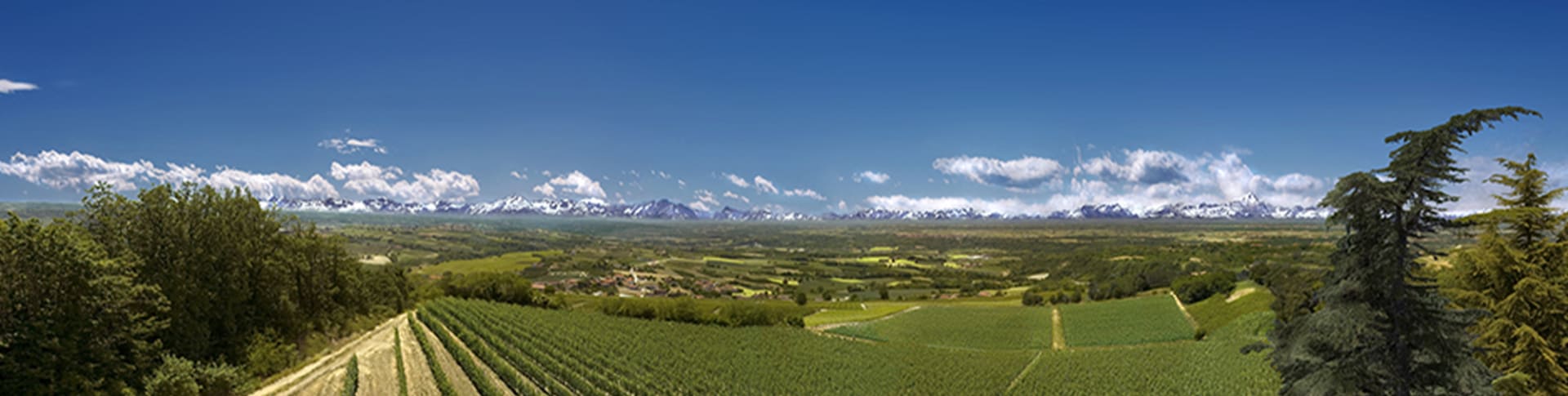


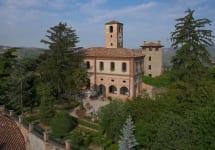
One of the legendary winemakers of the world, Bruno Giacosa crafted the most prestigious single-vineyard Barolo and Barbaresco wines during a career that spanned nearly eight decades. He joined the family business at the age of 15, representing the third generation of his Langhe winemaking family. Giacosa’s unfailing pursuit of perfection, his unrivalled palate and his intimate knowledge of vineyards in the Langhe quickly drew recognition and helped establish Piedmont as a leading wine region. In 1982, Giacosa began to acquire prime parcels in Serralunga d’Alba, La Morra and Barbaresco to produce wines that are rightly regarded as the finest expressions of Nebbiolo.
His legacy rests with daughter Bruna, who continues to uphold her father’s winemaking philosophy to respect traditional techniques while using the best of modern technology. The goal is for each distinguished site to produce articulate, unique wines.
The “Azienda Agricola Falletto – di Bruno Giacosa” label represents wines made from estate vineyards. The “Casa Vinicola Bruno Giacosa” label appears on wines made from purchased grapes that are made with the same care in the Nieve winery.

Responsible for some of the most elegant and age-worthy wines in the world, Nebbiolo, named for the ubiquitous autumnal fog (called nebbia in Italian), is the star variety of northern Italy’s Piedmont region. Grown throughout the area, as well as in the neighboring Valle d’Aosta and Valtellina, it reaches its highest potential in the Piedmontese villages of Barolo, Barbaresco and Roero. Outside of Italy, growers are still very much in the experimentation stage but some success has been achieved in parts of California. Somm Secret—If you’re new to Nebbiolo, start with a charming, wallet-friendly, early-drinking Langhe Nebbiolo or Nebbiolo d'Alba.

A wine that most perfectly conveys the spirit and essence of its place, Barbaresco is true reflection of terroir. Its star grape, like that in the neighboring Barolo region, is Nebbiolo. Four townships within the Barbaresco zone can produce Barbaresco: the actual village of Barbaresco, as well as Neive, Treiso and San Rocco Seno d'Elvio.
Broadly speaking there are more similarities in the soils of Barbaresco and Barolo than there are differences. Barbaresco’s soils are approximately of the same two major soil types as Barolo: blue-grey marl of the Tortonion epoch, producing more fragile and aromatic characteristics, and Helvetian white yellow marl, which produces wines with more structure and tannins.
Nebbiolo ripens earlier in Barbaresco than in Barolo, primarily due to the vineyards’ proximity to the Tanaro River and lower elevations. While the wines here are still powerful, Barbaresco expresses a more feminine side of Nebbiolo, often with softer tannins, delicate fruit and an elegant perfume. Typical in a well-made Barbaresco are expressions of rose petal, cherry, strawberry, violets, smoke and spice. These wines need a few years before they reach their peak, the best of which need over a decade or longer. Bottle aging adds more savory characteristics, such as earth, iron and dried fruit.