

Winemaker Notes
Professional Ratings
-
Decanter
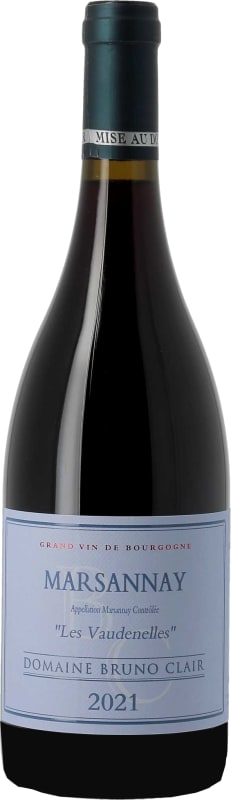
Losses in Marsannay due to frost were up to 70% of the harvest, but the remaining wine was intensely concentrated and perfumed, with aromas of wild strawberry, pomegranate, and floral notes. The ripeness carried through on the palate despite the lovely, fresh and bright texture. Vaudenelles is produced from 1.3 hectares at the top of the slope. Fermentation is done with about one-third of whole bunches and extended ageing in cask


Thin-skinned, finicky and temperamental, Pinot Noir is also one of the most rewarding grapes to grow and remains a labor of love for some of the greatest vignerons in Burgundy. Fairly adaptable but highly reflective of the environment in which it is grown, Pinot Noir prefers a cool climate and requires low yields to achieve high quality. Outside of France, outstanding examples come from in Oregon, California and throughout specific locations in wine-producing world. Somm Secret—André Tchelistcheff, California’s most influential post-Prohibition winemaker decidedly stayed away from the grape, claiming “God made Cabernet. The Devil made Pinot Noir.”

Perched up in the northernmost position in the Côte de Nuits, Marsannay is the only appellation village of Burgundy to produce classified wines of all three colors: red, white— and rosé. The official Rosé de Marsannay earned its high reputation in the early 1900s.
Its reds, made of Pinot Noir, burst with red and black fruit and are consistently long on the palate. Chardonnays from Marsannay are charming, floral and full of citrus fruit and mineral. Top Marsannay vineyards include Clos du Roy and Les Longeroies.