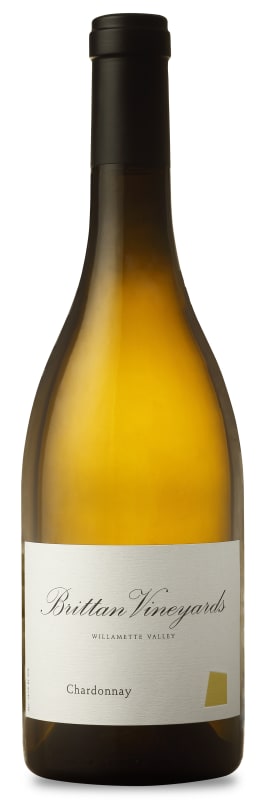


Winemaker Notes
The 2017 Chardonnay is the second vintage sourced exclusively from the McMinnville AVA. Tension and textural complexity complement aromas of flint, delicate white flower, and white peach. The palate follows with hints of stone fruit (think apricot), lemon custard and a kiss of creamy oak.
Professional Ratings
-
Wine Enthusiast
Stunningly rich, yet perfectly balanced, this is a superb bottle in every respect. Pinpoint ripeness leads to lush and spicy fruit flavors of apple, pear and banana. There's a pleasing yeasty/bready note, along with lovely barrel toast (23% was new). The wine is smooth from start to finish, and just as good on days two and three, suggesting that it will cellar nicely. But why wait—it's quite possibly going to be your favorite Chardonnay of the year.
Editor's Choice
-
James Suckling
Some assertively toasty oak on the nose here with fruit that sits in the lemon and flinty grilled-pear zone. The palate has an impressively fresh, flavorful core of pears, and a gently spicy finish. Quite concentrated and ripe. Drink now.


One of the most popular and versatile white wine grapes, Chardonnay offers a wide range of flavors and styles depending on where it is grown and how it is made. While it tends to flourish in most environments, Chardonnay from its Burgundian homeland produces some of the most remarkable and longest lived examples. California produces both oaky, buttery styles and leaner, European-inspired wines. Somm Secret—The Burgundian subregion of Chablis, while typically using older oak barrels, produces a bright style similar to the unoaked style. Anyone who doesn't like oaky Chardonnay would likely enjoy Chablis.

Stretching southwest from the city of McMinnville, the AVA with the same name covers about 40,000 acres across 20 miles until it meets the Van Duzer Corridor. This corridor is the only break in the Coast Range whose gap allows the cool Pacific Ocean air to flow eastward into the Willamette Valley.
The Pacific's moderating winds hit McMinnville’s south and southeast facing slopes where cool-climate varieties—namely Pinot noir and Pinot blanc thrive on ridges at between 200 to 1,000 feet in elevation.
Soils here are primarily uplifted marine sedimentary loam and silt, with alluvial formations; McMinnville receives less rainfall than its neighbors to the east because it is situated in the rain shadow of the Coast Range.