

Winemaker Notes
Professional Ratings
-
Robert Parker's Wine Advocate
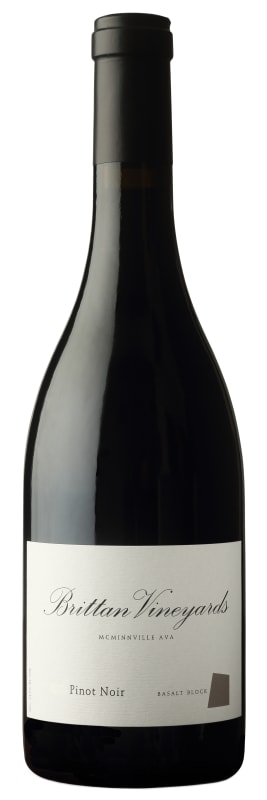
The 2018 Pinot Noir Basalt Block is tense and earthy, with broody aromas of crushed red cherries, blackberries and plums and ever-shifting accents of shiitake, fir needles, dark chocolate, licorice and violet. The light-bodied palate is chalky and refreshing with delicately styled, saline-driven fruit at this stage and a very long, ethereal finish. Although it feels youthfully coiled, it blossoms beautifully over several days, suggesting it will benefit from several years in bottle and be long-lived in the cellar. Rating: 96+
-
Wine Enthusiast
Tangy boysenberry, blueberry and marionberry fruit come through loud and clear, with a savory streak and supporting acidity that provides a tart frame. The wine was aged in 18% new oak, and what shines through is the fruit and acidity mix, along with the defining steely minerality of the site. Aged one year in 18% new French oak, it will benefit from additional bottle age. Editors' Choice.
-
James Suckling
Aromas of dark plums, dark cherries, violets, forest wood and cigar box. It’s medium-bodied with creamy tannins and lively acidity. Savory and mineral with a silky texture. Supple finish with lingering vanilla notes. Drink now or hold.


Thin-skinned, finicky and temperamental, Pinot Noir is also one of the most rewarding grapes to grow and remains a labor of love for some of the greatest vignerons in Burgundy. Fairly adaptable but highly reflective of the environment in which it is grown, Pinot Noir prefers a cool climate and requires low yields to achieve high quality. Outside of France, outstanding examples come from in Oregon, California and throughout specific locations in wine-producing world. Somm Secret—André Tchelistcheff, California’s most influential post-Prohibition winemaker decidedly stayed away from the grape, claiming “God made Cabernet. The Devil made Pinot Noir.”

Stretching southwest from the city of McMinnville, the AVA with the same name covers about 40,000 acres across 20 miles until it meets the Van Duzer Corridor. This corridor is the only break in the Coast Range whose gap allows the cool Pacific Ocean air to flow eastward into the Willamette Valley.
The Pacific's moderating winds hit McMinnville’s south and southeast facing slopes where cool-climate varieties—namely Pinot noir and Pinot blanc thrive on ridges at between 200 to 1,000 feet in elevation.
Soils here are primarily uplifted marine sedimentary loam and silt, with alluvial formations; McMinnville receives less rainfall than its neighbors to the east because it is situated in the rain shadow of the Coast Range.