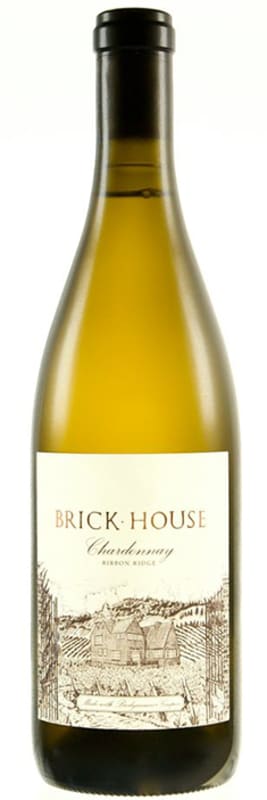


Winemaker Notes
Fresh fruit is fully pressed and run into a variety of French oak barrels where it is allowed a native fermentation under the careful eye of the winemaker. A majority of the barrels are seasoned from use year after year - the percentage of new wood is kept decidedly low. The resulting wine completes malolactic fermentation and remains on its gross lees for a full year, after which it is moved to tank for another six months when it is bottled by hand in the farm winery.
Professional Ratings
-
Robert Parker's Wine Advocate
The 2023 Chardonnay Ribbon Ridge was barrel-fermented and matured for 12 months in 10% new oak plus two months in stainless steel. It has inviting aromas of white peach, beeswax, flint and saline. The light-bodied palate is creamy and bright with citrusy flavors, gently tangy acidity and an elegant, nutty finish.


One of the most popular and versatile white wine grapes, Chardonnay offers a wide range of flavors and styles depending on where it is grown and how it is made. While it tends to flourish in most environments, Chardonnay from its Burgundian homeland produces some of the most remarkable and longest lived examples. California produces both oaky, buttery styles and leaner, European-inspired wines. Somm Secret—The Burgundian subregion of Chablis, while typically using older oak barrels, produces a bright style similar to the unoaked style. Anyone who doesn't like oaky Chardonnay would likely enjoy Chablis.

Ribbon Ridge is a regular span of uplifted, marine, sedimentary soils (called Willakenzie), whose highest ridge elevations twist like a ribbon. An early settler from Missouri named Colby Carter noticed this unique topography and gave the region its name in 1865—though it wasn’t declared its own AVA until 140 years later, in 2005. The AVA is enclosed by mountains on all sides between Yamhill-Carlton and the Chehalem Mountains, and is actually part of the larger Chehalem Mountains AVA. Its soils have a finer texture than its neighbors with parent materials composed of sandstone, siltstone, and mudstone. Given its presence of natural aquifers in this five square mile area, most vineyards are actually easily dry farmed!