

Winemaker Notes
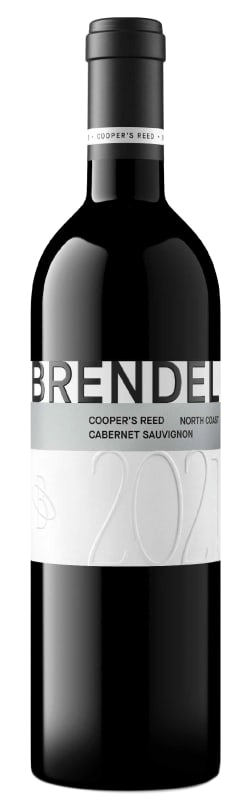
The 2021 Brendel Cooper’s Reed Cabernet Sauvignon is a fresh and vibrant take on Napa Valley’s famed grape varietal. Harvest- ed under moonlight, the fruit is crushed at cool temperatures and then thoughtfully monitored throughout fermentation. After a 7-10 day fermentation, the wine is gently pressed to oak casks where it is allowed to mature for 9 months prior to bottling. Fruit is sourced from prized vineyards in Napa and Sonoma, giving the wine its mouthwatering structure, and elevage in upright oak casks preserves the bright red and black fruit characteristics.
Blend: 94% Cabernet Sauvignon, 5% Petite Sirah, 1% Merlot
Professional Ratings
-
Robert Parker's Wine Advocate
Made by the Heitz team led by winemaker Brittany Sherwood, Brendel's 2021 Cooper's Reed Cabernet Sauvignon now includes a sufficient amount of Sonoma fruit to carry a North Coast AVA on the label—this vintage is approximately two-thirds Napa and one-third Sonoma, and the blend includes 5% Petite Sirah and 1% Merlot. Still made in old oak vats to avoid overt wood influence and just medium-bodied, it's something of a throwback stylistically. Although the fruit is quite obvious upfront, combining black cherries and blackberries, the wine is streamlined and somewhat restrained on the palate, finishing with ample length, hints of star anise and a silky texture.


One of the most prestigious wines of the world capable of great power and grace, Napa Valley Cabernet is a leading force in the world of fine, famous, collectible red wine. Today the Napa Valley and Cabernet Sauvignon are so intrinsically linked that it is difficult to discuss one without the other. But it wasn’t until the 1970s that this marriage came to light; sudden international recognition rained upon Napa with the victory of the Stag’s Leap Wine Cellars 1973 Cabernet Sauvignon in the 1976 Judgement of Paris.
Cabernet Sauvignon undoubtedly dominates Napa Valley today, covering half of the land under vine, commanding the highest prices per ton and earning the most critical acclaim. Cabernet Sauvignon’s structure, acidity, capacity to thrive in multiple environs and ability to express nuances of vintage make it perfect for Napa Valley where incredible soil and geographical diversity are found and the climate is perfect for grape growing. Within the Napa Valley lie many smaller sub-AVAs that express specific characteristics based on situation, slope and soil—as a perfect example, Rutherford’s famous dust or Stags Leap District's tart cherry flavors.