

Winemaker Notes

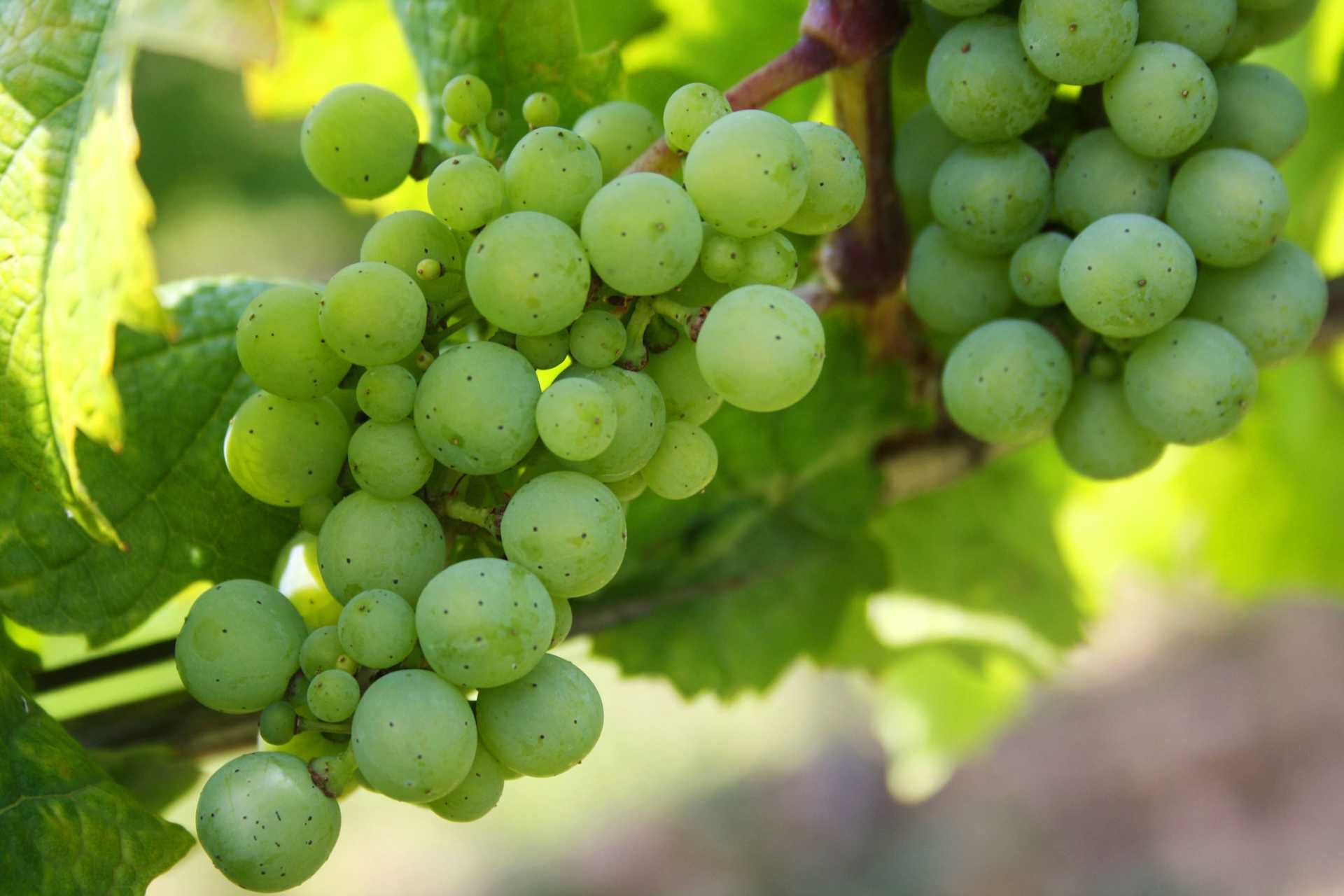
With hundreds of white grape varieties to choose from, winemakers have the freedom to create a virtually endless assortment of blended white wines. In many European regions, strict laws are in place determining the set of varieties that may be used in white wine blends, but in the New World, experimentation is permitted and encouraged. Blending can be utilized to enhance balance or create complexity, lending different layers of flavors and aromas. For example, a variety that creates a soft and full-bodied white wine blend, like Chardonnay, would do well combined with one that is more fragrant and naturally high in acidity. Sometimes small amounts of a particular variety are added to boost color or aromatics. Blending can take place before or after fermentation, with the latter, more popular option giving more control to the winemaker over the final qualities of the wine.

Home to some of America’s most celebrated Pinot Noir, Oregon maintains a tight focus on small production, high quality wine even while the state’s industry enjoys steady growth. As a world-renowned wine region, Oregon has more than 700 wineries and is home to well over 70 grape varieties. With a mostly Mediterranean climate, its cooler and wetter regions lie in the west, close to the Pacific Coast.
By far the most reputed Oregon wine region is the Willamette Valley, which is further subdivided into six smaller appellations: Chehalem Mountains, Dundee Hills, Eola-Amity Hills, McMinnville, Ribbon Ridge and Yamhill-Carlton.
The Oregon wine region's most obvious success story is with Pinot Noir, which here takes on a personality that could be described in general terms as somewhere in between the wines of California and Burgundy—and is often more affordable than either one. The best Willamette Pinot noir has a rare combination of red and black fruit, elegant balance, high acidity and rustic earth. While completely enjoyable in their youth, some of the better, single vineyard or appellation-specific Pinot noirs can often benefit from some cellar time.
Other AVAs in Oregon’s west worth noting include Umpqua Valley and Rogue Valley.
In the east are Snake River Valley, which overlaps into Idaho, and Columbia Valley, which Oregon shares with Washington. Summers are hot and dry in these regions but winters are cold and rainy.
Pinot Gris, Chardonnay, Riesling and Pinot blanc also grow successfully in Oregon.