
Winemaker Notes
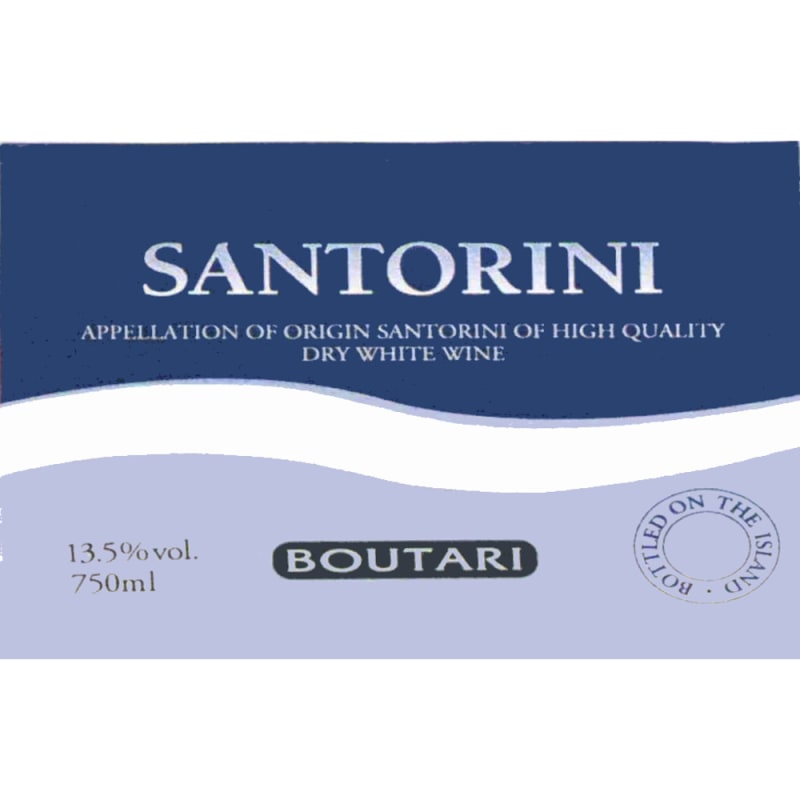
Boutari Santorini is the white wine that distinguished the Santorini vineyard worldwide. Today it constitutes a must for every oenophile. The island of Santorini, located in Greece's Aegean Sea, is essentially a defunct volcanic caldera. The island's loam soil is characteristically dry -- this, in combination with Santorini's microclimate, provides Boutari Santorini with its mineral and citrusy characteristics. Served at 50°F, it pairs excellently with seafood, poultry and white meat dishes.
Professional Ratings
-
Robert Parker's Wine Advocate
The 2007 SANTORINI is 100% Assyrtiko, aged five months in stainless steel. Santorini’s old vineyards contain pre-phylloxera vines. This combines a certain initial solidity with a nice, bright finish, a bit of herbaceousness and some bursts of acidity around the edges. I particularly liked the finish, which lingered respectably for a wine in its price category. It holds nicely with air, remaining rather persistent, sunny and charming. Drink now-2012.
-
Wine Spectator
Rich and well-crafted, with golden delicious flavors and plenty of nice creamy touches. Plenty of smoke and spice on the fresh, juicy finish.


A crisp white variety full of zippy acidity, Assyrtiko comes from the volcanic Greek island of Santorini but is grown increasingly wide throughout the country today. Assyrtiko’s popularity isn’t hard to explain: it retains its acid and mineral profile in a hot climate, stands alone or blends well with other grapes and can also withstand some age. Somm Secret—On the fairly barren, windswept Mediterranean island of Santorini, Assyrtiko vines must be cultivated in low baskets, pinned to the ground. The shape serves to preserve moisture and protect the growing grapes in its interior.

A picturesque Mediterranean nation with a rich wine culture dating back to ancient times, Greece has so much more to offer than just retsina. Between the mainland and the country’s many islands, a wealth of Greek wine styles exists, made mostly from Greece’s plentiful indigenous varieties. After centuries of adversity after Ottoman rule, the modern Greek wine industry took off in the late 20th century with an influx of newly trained winemakers and investments in winemaking technology.
The climate—generally hot Mediterranean—can vary a bit with latitude and elevation, and is mostly moderated by cool maritime breezes. Drought can be an issue for Greek wine during the long, dry summers, sometimes necessitating irrigation.
Over 300 indigenous grapes have been identified throughout Greece, and though not all of them are suitable for wine production, future decades will likely see a significant revival and refinement of many of these native Greek wine varieties. Assyrtiko, the crisp, saline Greek wine variety of the island of Santorini, is one of the most important and popular white wine varieties, alongside Roditis, Robola, Moschofilero, and Malagousia. Muscat is also widely grown for both sweet and dry wines. Prominent red wine varieties include full-bodied and fruity Agiorghitiko, native to Nemea; Macedonia’s savory, tannic Xinomavro; and Mavrodaphne, used commonly to produce a Port-like fortified wine in the Peloponnese.