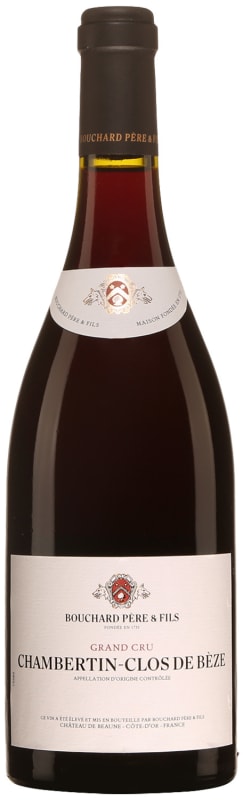


Winemaker Notes
Professional Ratings
-
Wine Spectator
This round, supple red focuses on the fruit, with cherry and strawberry notes, plus floral and spice accents. Shows a solid base of tannins, which lend support and gain presence as this winds down on the finish. Tips toward the tannins, and is less forthcoming than many 2020s at this stage, with plenty of energy and fine potential.


Thin-skinned, finicky and temperamental, Pinot Noir is also one of the most rewarding grapes to grow and remains a labor of love for some of the greatest vignerons in Burgundy. Fairly adaptable but highly reflective of the environment in which it is grown, Pinot Noir prefers a cool climate and requires low yields to achieve high quality. Outside of France, outstanding examples come from in Oregon, California and throughout specific locations in wine-producing world. Somm Secret—André Tchelistcheff, California’s most influential post-Prohibition winemaker decidedly stayed away from the grape, claiming “God made Cabernet. The Devil made Pinot Noir.”

The origin of perhaps the world’s very finest Pinot Noir, Côte de Nuits is the northern half of the Côte d'Or and includes the famous wine villages of Gevrey-Chambertin, Morey-St-Denis, Chambolle-Musigny, Vougeot, Vosne-Romanée, Flagey-Echezeaux and Nuits-St-Georges.
Fine whites from Chardonnay are certainly found in the Côte de Nuits, but with much less frequency than top-performing reds made of Pinot noir. The little village of Nuits-St-Georges in its southern end gave the region its name: Côte de Nuits. The city of Dijon marks its northern border.