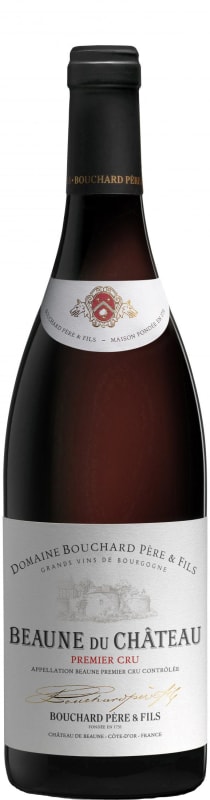


Winemaker Notes
Nice dark garnet color with brown to mauve shades. Complex bouquet associating perfumes of jammy red fruit, fig, peony with a hint of chocolate. Harmonious and deep palate, with a beautiful maturity and dense but fine tannins. An attractive wine.
Professional Ratings
-
Decanter
This admirable premier cru red is a blend of all of the domaine parcels in Beaune premier cru - a whopping 17 different terroirs covering 26ha, each vinified separately, with an average 20% whole-cluster and ageing in 20% new casks. There is a lovely, dark, plummy fruit on the nose with a bit of spice and smoke. The texture is silky and supple, with decent acidity, even if it lacks a bit of density on the mid-palate. A well-balanced, classical example of Beaune premier cru.
-
Robert Parker's Wine Advocate
Yields of merely 20 hectoliters per hectare have delivered a 2020 Beaune 1er Cru du Château of unusual presence and concentration, wafting from the glass with aromas of cherries, sweet berries, rose petals and spices. Medium to full-bodied, ample and velvety, it's deep and layered, with lively acids and powdery tannins. Readers who have walked Beaune's hillsides and know the extent of Bouchard's holdings will realize how much prime terroir goes into this remarkably accessible bottling.
Barrel Sample: 90-92 -
Wine Spectator
Settling into a groove, revealing black cherry, blackberry, plum, iron and spice flavors. Backed by lively acidity and refined tannins, this red shows game, mushroom and woodsy detritus details. Best from 2026 through 2043. 1,500 cases imported.
-
James Suckling
Generous aromas of fully ripe blackberries and black cherries with a pronounced licorice note. Impressive concentration for such a large-production wine, the well-judged tannins giving this weight and warmth. Keeps pumping out the fruit and spice at the rich finish, but it’s a bit simple there. A cuvee of wines from 17 plots and a total of 26 hectares of vineyards.


Thin-skinned, finicky and temperamental, Pinot Noir is also one of the most rewarding grapes to grow and remains a labor of love for some of the greatest vignerons in Burgundy. Fairly adaptable but highly reflective of the environment in which it is grown, Pinot Noir prefers a cool climate and requires low yields to achieve high quality. Outside of France, outstanding examples come from in Oregon, California and throughout specific locations in wine-producing world. Somm Secret—André Tchelistcheff, California’s most influential post-Prohibition winemaker decidedly stayed away from the grape, claiming “God made Cabernet. The Devil made Pinot Noir.”

While the city represents the epicenter of wine production in Burgundy, the term, “Beaune” also refers to the specific sub-appellation of the greater Côte de Beaune, whose vineyards climb up the pastoral slopes that border the city to its west. Originally founded as a Roman camp by Julius Caesar, the city of Beaune eventually became the seat of the dukes of Burgundy until the 13th century. Today it is home to top négociants such as Louis Jadot, Joseph Drouhin, Louis Latour, and Bouchard Père et Fils.
The appellation, dominated by Pinot Noir plantings, represents a lovely and charming place to begin to understand red Burgundy. Its sandy soils create light and supple, floral driven Pinot Noir. These wines are designed to be enjoyed within five to 10 years. The vineyards of Beaune span a broad swath of Premier Crus from Savigny-lès-Beaune to its border with Pommard.
Chardonnay acreage here has been increasing here in the more recent years.