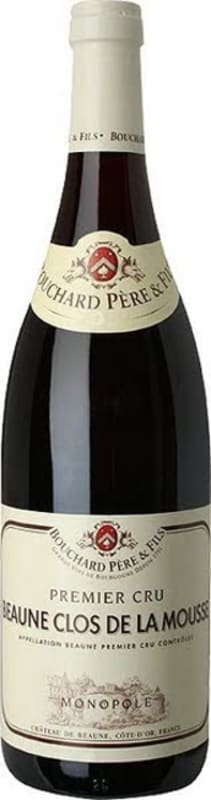


Winemaker Notes
Fruit aromas combined with light toasty notes. Both fleshy and refined, Clos de la Mousse reveals its charms with delicacy. Good ageing potential.
Professional Ratings
-
Wine Spectator
Black currant and violet are the hallmarks of this tightly wound red. Vanilla and sandalwood accents enter the fray as this builds to a long, energetic finish. Best from 2020 through 2033.
-
Wine Enthusiast
Rich and dense, this concentrated wine has a fine, smooth texture that is ripe with red-berry fruits. The freshness of the vintage comes through in the acidity and crisp, taut texture. The wine will be ready to drink from 2020, the 800th anniversary of the oldest-known traces of this vineyard.
-
Wine & Spirits
The wines recommended here have been selected by a broad range of educated palates, then rated and described by one person. Our critics each cover a range of territories. Our goal with these ratings is to provide a single, consistent point of view against which you may measure your own taste over time.
-
Wilfred Wong of Wine.com
COMMENTARY: The 2014 Bouchard Père & Fils Beaune Clos de la Mousse is balanced and refreshing. TASTING NOTES: This wine is bright and palate-uplifting. Enjoy its active red fruit aromas and flavors with fresh salmon sashimi. (Tasted: March 3, 2020, San Francisco, CA)


Thin-skinned, finicky and temperamental, Pinot Noir is also one of the most rewarding grapes to grow and remains a labor of love for some of the greatest vignerons in Burgundy. Fairly adaptable but highly reflective of the environment in which it is grown, Pinot Noir prefers a cool climate and requires low yields to achieve high quality. Outside of France, outstanding examples come from in Oregon, California and throughout specific locations in wine-producing world. Somm Secret—André Tchelistcheff, California’s most influential post-Prohibition winemaker decidedly stayed away from the grape, claiming “God made Cabernet. The Devil made Pinot Noir.”

While the city represents the epicenter of wine production in Burgundy, the term, “Beaune” also refers to the specific sub-appellation of the greater Côte de Beaune, whose vineyards climb up the pastoral slopes that border the city to its west. Originally founded as a Roman camp by Julius Caesar, the city of Beaune eventually became the seat of the dukes of Burgundy until the 13th century. Today it is home to top négociants such as Louis Jadot, Joseph Drouhin, Louis Latour, and Bouchard Père et Fils.
The appellation, dominated by Pinot Noir plantings, represents a lovely and charming place to begin to understand red Burgundy. Its sandy soils create light and supple, floral driven Pinot Noir. These wines are designed to be enjoyed within five to 10 years. The vineyards of Beaune span a broad swath of Premier Crus from Savigny-lès-Beaune to its border with Pommard.
Chardonnay acreage here has been increasing here in the more recent years.