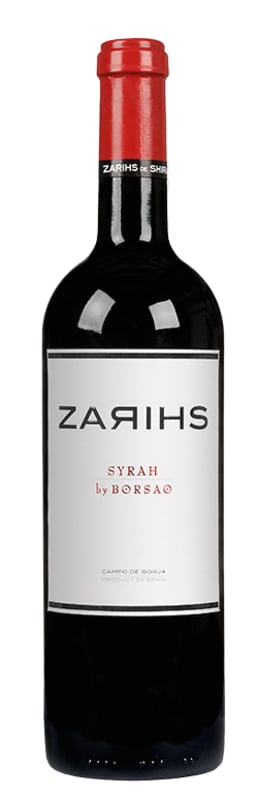


Winemaker Notes
#28 Wine Spectator Top 100 of 2020
An opaque red-black color with a crimson-purple rim. On the nose, a powerful impression of blackberries, with a hint of wood smoke and sweet vanilla. The nose begins to open up and develops notes of dark chocolate. The initial impact is very full bodied, with a plush, soft structure. Flavors of dark berries dominate; wild blackberries and dried plums, with notes of espresso coffee.
Professional Ratings
-
Wine Spectator
This red marries the ripe fruit and toasty oak of the international style with a savory, rustic character. A thick, polished texture, supported by well-integrated tannins and balsamic acidity, carries dark plum, black pepper, soy sauce and loamy earth flavors that are seamless and long. Drink now through 2032.
-
James Suckling
A brambly blackberry nose with dark cherries and a tarry edge, too. The palate has cola, smoky, savory appeal and a dark-chocolate and dark-cherry core. Drink now or hold.
-
Robert Parker's Wine Advocate
The 2016 Zarihs, which, if you read the name back to front, would tell you what grape it is, has abundant notes of smoked bacon and fried corn, giving it a savory profile. It has abundant smoky and toasty notes reminiscent of incense, cigar ash and cold bonfire. The palate is full-bodied, the wine is ripe with 15% alcohol and there are plenty of oak-related flavors and a creamy texture from the oak and alcohol. Forty percent of the volume spent 12 months in new American oak barrels, which explains the abundant vanilla and coconut notes. For fans of the style. I'd try it with barbecued ribs.


Marked by an unmistakable deep purple hue and savory aromatics, Syrah makes an intense, powerful and often age-worthy red. Native to the Northern Rhône, Syrah achieves its maximum potential in the steep village of Hermitage and plays an important component in the Red Rhône Blends of the south, adding color and structure to Grenache and Mourvèdre. Syrah is the most widely planted grape of Australia and is important in California and Washington. Sommelier Secret—Such a synergy these three create together, the Grenache, Syrah, Mourvedre trio often takes on the shorthand term, “GSM.”

Campo de Borja DO sits in the northwest province of Zaragoza (Aragon, Spain) south of Rioja and north of Cariñena. Since this area acquired DO status in the 1980s, it has gradually shown its own unique identity. Campo de Borja’s winegrowing history and heritage is rich in relation to Garnacha; the oldest vineyards in the DO date back to 1890. Furthermore, of the almost 4,000 hectares of this variety, more than 2,000 are between 30 and 50 years old.
Most production continues to be reds, and the number of crianzas and reservas is growing. Though less common, they produce white wines as well. Today, both red and rosé wines have won the respect of experts, and the intensely fruity, young red wines enjoy significant commercial success. The principal white grape varieties are Macabeo, Moscatel, Chardonnay, Garnacha Blanca, Sauvignon Blanc and Verdejo. The principal red grape varieties include Garnacha Tinta, Tempranillo, Syrah, Mazuela, Cabernet Sauvignon and Merlot.