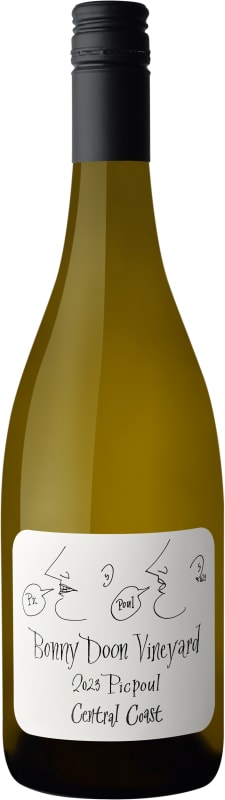


Winemaker Notes
The redoubtable Beeswax Vineyard in the Arroyo Seco appellation of Monterey County has the very singular and coincidental habit of producing white grapes expressing the unique scent of...well, beeswax. Along with beeswax, one apprehends the rather discreet scent of white flowers and perhaps pineapple. But while the scent of Picpoul is subtle, one is forcefully struck by the wine's bracing acidity and its unique savoriness. A soupcon of Grenache Blancs adds a discrete measure of weight and texture; further, there is a discernible quality of brininess that makes this wine and absolutely perfect match for all manner of crustacean and molluscan nutriment.
Professional Ratings
-
James Suckling
A fresh, saline white that has notes of lemon, sliced green apple, fennel and seashell on the nose. It’s light- to medium-bodied, crisp and refreshing. Creamy, too, at only 11% alcohol.


Picpoul remains one of the few wines in France named for the grape more than the place; Picpoul de Pinet refers to the white wines made exclusively from the grape called Piquepoul Blanc in the Languedoc communes of Pinet, Mèze, Florensac, Castelnau-de-Guers, Montagnac and Pomérols. Confusingly, the spelling, Piquepoul, can be used for the variety in all other appellations except for those named above. The grape is ubiquitous throughout the Languedoc. Somm Secret—Pomérols is a commune in the Languedoc-Rousillon region in the south of France and has nothing to do with the Bordeaux village of virtually the same name, Pomerol.
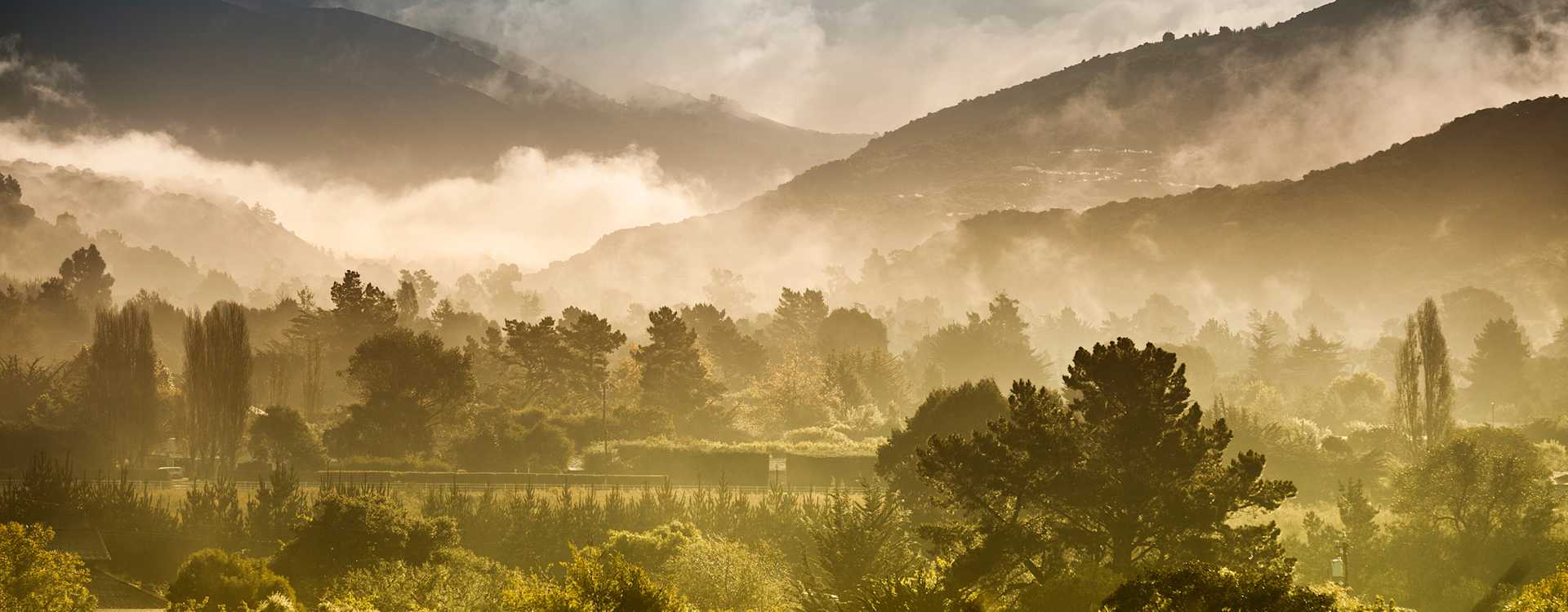
The largest and perhaps most varied of California’s wine-growing regions, the Central Coast produces a good majority of the state's wine. This vast California wine district stretches from San Francisco all the way to Santa Barbara along the coast, and reaches inland nearly all the way to the Central Valley.
Encompassing an extremely diverse array of climates, soil types and wine styles, it contains many smaller sub-AVAs, including San Francisco Bay, Monterey, the Santa Cruz Mountains, Paso Robles, Edna Valley, Santa Ynez Valley and Santa Maria Valley.
While the Central Coast California wine region could probably support almost any major grape varietiy, it is famous for a few Central Coast reds and whites. Pinot Noir, Chardonnay, Cabernet Sauvignon and Zinfandel are among the major ones. The Central Coast is home to many of the state's small, artisanal wineries crafting unique, high-quality wines, as well as larger producers also making exceptional wines.