Winemaker Notes


Persistent with jasmine aromas and tropical fruit flavors, both grape and name are far-reaching. Approximately 70 registered grapes contain Malvasia as part of their name or are listed as a synonym. The French call it Malvoisie, Germans call it Malvasier, British say Malmsey and confusingly one variety double-times under the alias, Boal, on the island of Madeira. In any case, Italy has more forms of Malvasia than any other country: Malvasia Bianca di Candia, Malvasia di Candia Aromatico and the red-skinned Malvasia di Casorzo from Piedmont. The list goes on. Somm Secret—The actual name could stem from an Italian mispronunciation of Monemvasia, a southern Greek port.
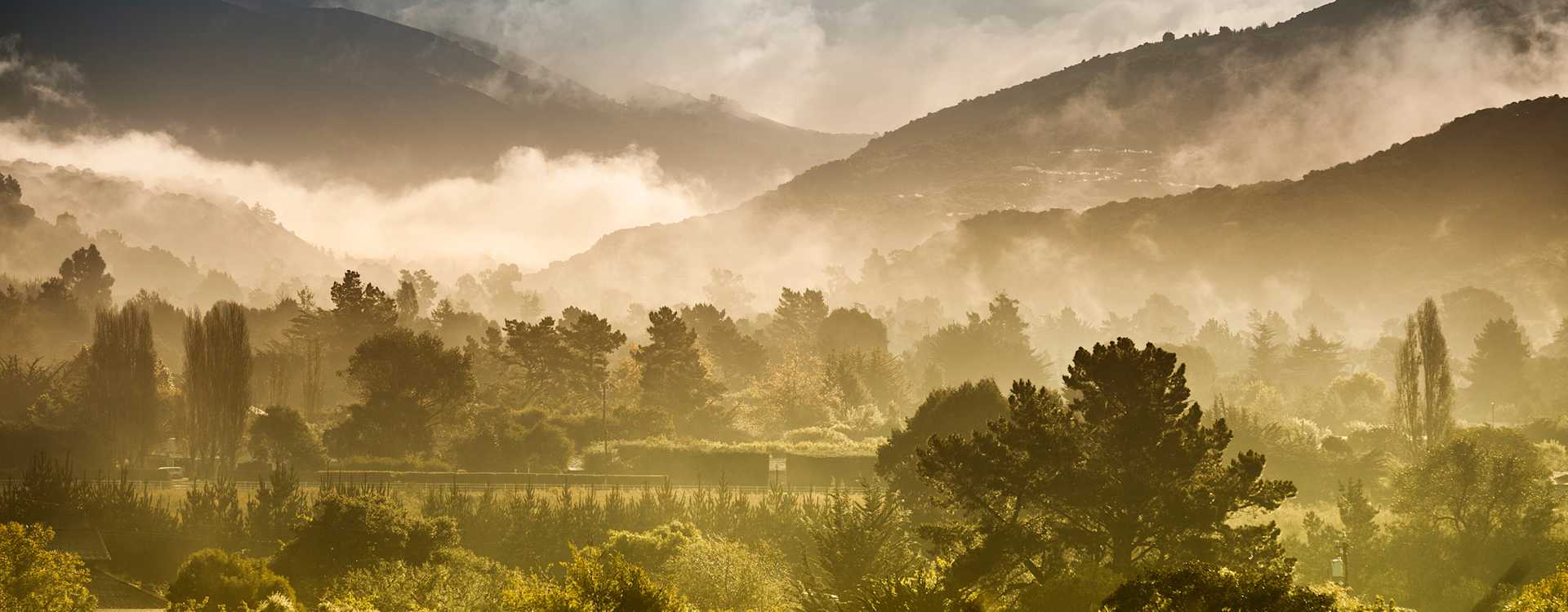
The largest and perhaps most varied of California’s wine-growing regions, the Central Coast produces a good majority of the state's wine. This vast California wine district stretches from San Francisco all the way to Santa Barbara along the coast, and reaches inland nearly all the way to the Central Valley.
Encompassing an extremely diverse array of climates, soil types and wine styles, it contains many smaller sub-AVAs, including San Francisco Bay, Monterey, the Santa Cruz Mountains, Paso Robles, Edna Valley, Santa Ynez Valley and Santa Maria Valley.
While the Central Coast California wine region could probably support almost any major grape varietiy, it is famous for a few Central Coast reds and whites. Pinot Noir, Chardonnay, Cabernet Sauvignon and Zinfandel are among the major ones. The Central Coast is home to many of the state's small, artisanal wineries crafting unique, high-quality wines, as well as larger producers also making exceptional wines.