


Winemaker Notes
Very bright, deep ruby color, lots of black fruit, mulberries and cherries on the nose. There is a pronounced minty, almost alpine pepperiness, which is the unmistakable hallmark of Bien Nacido Syrah. In the winemakers mind at least, it is this septentrional (north of 45th parallel) character that so
tellingly differentiates Cigare Volant from say, meridional Châteauneuf-du-Pape, giving it an unmistakable lift. He flatters himself, but apropos of “coolth,” this wine works a bit like Miles’ music—plenty of space between the notes, allowing the wine to expand and grow in the glass. One last (blue) note: While the phenomenon is undoubtedly multifactoral, the wine is remarkably resistant to oxidation after it’s been opened, remaining fresh for the better of a week. This is profoundly good news for the long-term prospects of this wine and for those who still possess a capacious cellar.
Grenache adds rich black fruit flavors and a discreet spiciness. Syrah is principally sourced from Bien Nacido vineyard in Santa Maria Valley, which produces the closest analogue we have found to a Northern Rhône Syrah— tannic and meaty in the lower registers; peppery, fruitful and delicately floral in the top, all the while showing great balance and harmony. The non-irrigated, centenarian Del Barba Vineyard of Contra Costa continues to provide Mourvèdre for Cigare. A touch of the 120+ year old vines of the Becthold Vineyard Cinsaut provides a very particular fragrance of flowers and aromatic herbs.
Blend: 39% Grenache, 35% Mourvedre, 17% Syrah, 7% Cinsaut and 2% Viognier.


With bold fruit flavors and accents of sweet spice, Grenache, Syrah and Mourvèdre form the base of the classic Rhône Red Blend, while Carignan, Cinsault and Counoise often come in to play. Though they originated from France’s southern Rhône Valley, with some creative interpretation, Rhône blends have also become popular in other countries. Somm Secret—Putting their own local spin on the Rhône Red Blend, those from Priorat often include Merlot and Cabernet Sauvignon. In California, it is not uncommon to see Petite Sirah make an appearance.
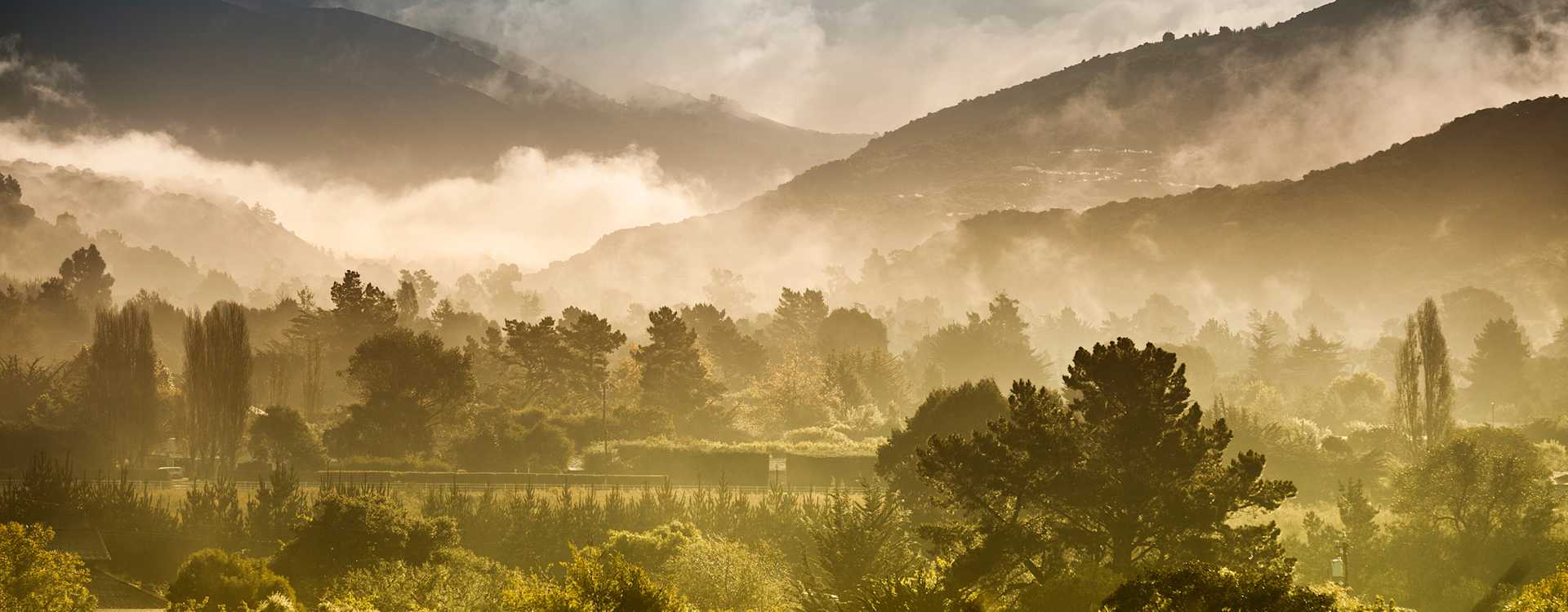
The largest and perhaps most varied of California’s wine-growing regions, the Central Coast produces a good majority of the state's wine. This vast California wine district stretches from San Francisco all the way to Santa Barbara along the coast, and reaches inland nearly all the way to the Central Valley.
Encompassing an extremely diverse array of climates, soil types and wine styles, it contains many smaller sub-AVAs, including San Francisco Bay, Monterey, the Santa Cruz Mountains, Paso Robles, Edna Valley, Santa Ynez Valley and Santa Maria Valley.
While the Central Coast California wine region could probably support almost any major grape varietiy, it is famous for a few Central Coast reds and whites. Pinot Noir, Chardonnay, Cabernet Sauvignon and Zinfandel are among the major ones. The Central Coast is home to many of the state's small, artisanal wineries crafting unique, high-quality wines, as well as larger producers also making exceptional wines.