

Winemaker Notes
Divining which varieties might be appropriate for a particular vineyard location occasionally requires utter disregard for conventional wisdom. Galicia, the Iberian playpen of albariño, loureiro and treixadura, could not be more different than Soledad, yet these varieties seem to be enjoying their extended siesta in the Salinas Valley. Where the Galician coast typically sees fifty inches of rainfall per year, Soledad is lucky to receive one-fifth that amount. A little fine-tuning of the viticultural practices however has been very successful. We have found that allowing a tad more shade on these Iberian varieties somehow mimics the Iberian climate and produces grapes with thinner skins – and thus lower phenolics – preserving delicate aromatics and finesse. This wine expresses a beautifully crystalline mineral aspect, great persistence on the palate, and a bracingly crisp, grapefruit, yuzu and tangerine dream. It is the perfect aperitif and wildly successful with Asian food or shellfish, the traditional Galician accompaniment.
Our Ca' del Solo Vineyard received Biodynamic certification by Demeter in May 2007. We can now officially state that this wine is made from biodynamically farmed grapes.
Professional Ratings


Bright and aromatic with distinctive floral and fruity characteristics, Albariño has enjoyed a surge in popularity and an increase in plantings over the last couple of decades. Thick skins allow it to withstand the humid conditions of its homeland, Rías Baixas, Spain, free of malady, and produce a weighty but fresh white. Somm Secret—Albariño claims dual citizenship in Spain and Portugal. Under the name Alvarinho, it thrives in Portugal’s northwestern Vinho Verde region, which predictably, borders part of Spain’s Rías Baixas.
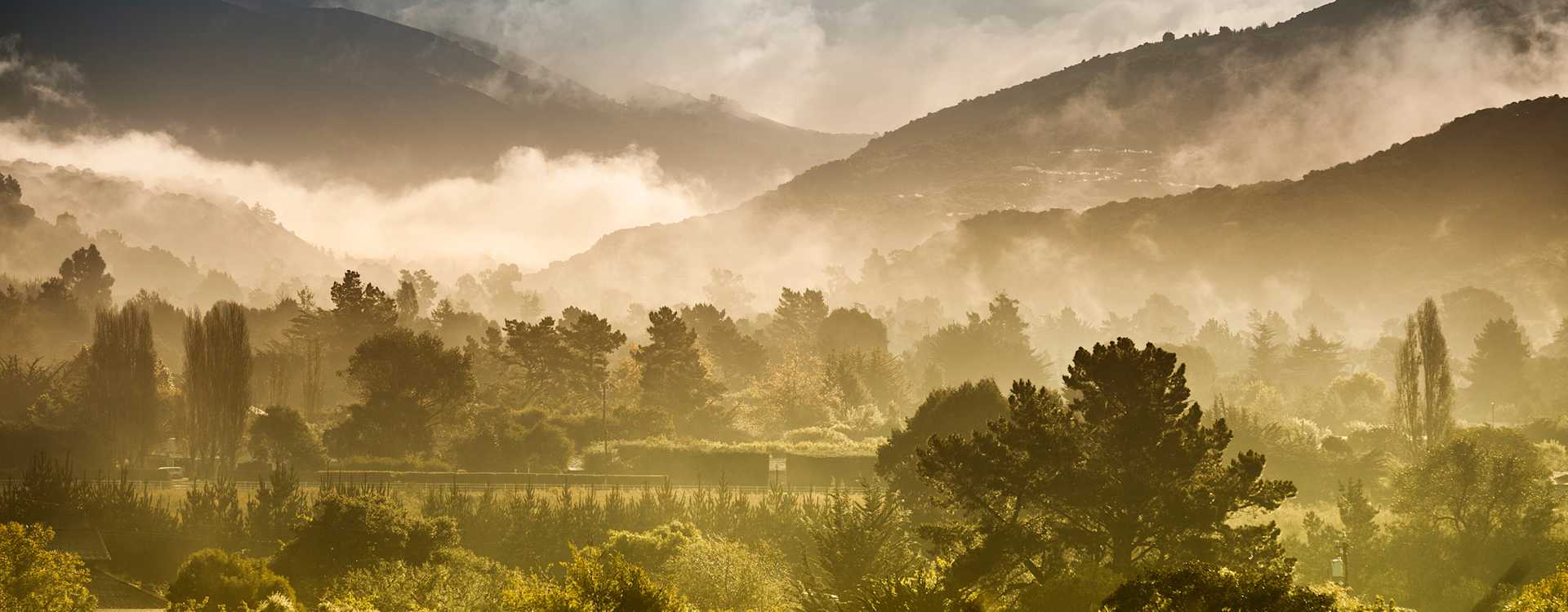
The largest and perhaps most varied of California’s wine-growing regions, the Central Coast produces a good majority of the state's wine. This vast California wine district stretches from San Francisco all the way to Santa Barbara along the coast, and reaches inland nearly all the way to the Central Valley.
Encompassing an extremely diverse array of climates, soil types and wine styles, it contains many smaller sub-AVAs, including San Francisco Bay, Monterey, the Santa Cruz Mountains, Paso Robles, Edna Valley, Santa Ynez Valley and Santa Maria Valley.
While the Central Coast California wine region could probably support almost any major grape varietiy, it is famous for a few Central Coast reds and whites. Pinot Noir, Chardonnay, Cabernet Sauvignon and Zinfandel are among the major ones. The Central Coast is home to many of the state's small, artisanal wineries crafting unique, high-quality wines, as well as larger producers also making exceptional wines.