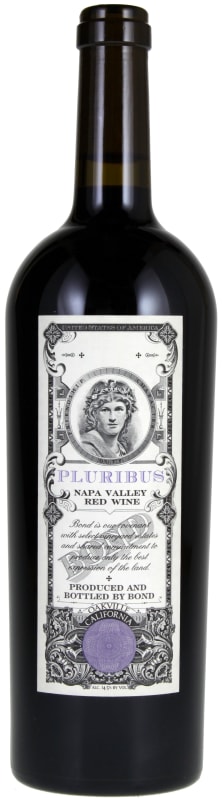


Winemaker Notes
Professional Ratings
-
Jeb Dunnuck
The gem of the 2014s is the 2014 Pluribus which comes from a 7-acre site on Spring Mountain. This incredible wine offers a full-bodied, seamless, perfectly balanced profile as well as heavenly notes of black and blue fruits, white chocolate, licorice. With a world class texture, fine, fine tannin, and a great finish, it’s a tour de force in Napa Valley Cabernet Sauvignon that’s as good as anything out there.
-
Robert Parker's Wine Advocate
Very deep purple-black colored, the 2014 Pluribus offers up notions of crushed black plums, black currant cordial and pencil shavings over a meaty core of chargrill and beef drippings plus hints of Chinese five spice and underbrush. Full-bodied and firmly framed with chewy tannins and a lively backbone, it features plenty of earthy and savory layers, finishing long and minerally.
Rating: 97+ -
James Suckling
Los of red fruits with wet stones and wet earth on the nose. Full-bodied, chewy and powerful with a big, juicy finish. A solid and structured wine with gritty tannins. This needs time to come together. Shows more chewy tannins and fruit. Needs to soften. Better after 2021.
-
Wine Spectator
A chunky, chewy, extracted style, with a tight mix of loamy earth, tobacco leaf, dark berry and licorice flavors that slowly expand and gain length and dimension. Best from 2020 through 2032.


Undoubtedly proving its merit over and over, Napa Valley is a now a leading force in the world of prestigious red wine regions. Though Cabernet Sauvignon dominates Napa Valley, other red varieties certainly thrive here. Important but often overlooked include Merlot and other Bordeaux varieties well-regarded on their own as well as for their blending capacities. Very old vine Zinfandel represents an important historical stronghold for the region and Pinot noir is produced in the cooler southern parts, close to the San Pablo Bay.
Perfectly situated running north to south, the valley acts as a corridor, pulling cool, moist air up from the San Pablo Bay in the evenings during the hot days of the growing season, which leads to even and slow grape ripening. Furthermore the valley claims over 100 soil variations including layers of volcanic, gravel, sand and silt—a combination excellent for world-class red wine production.