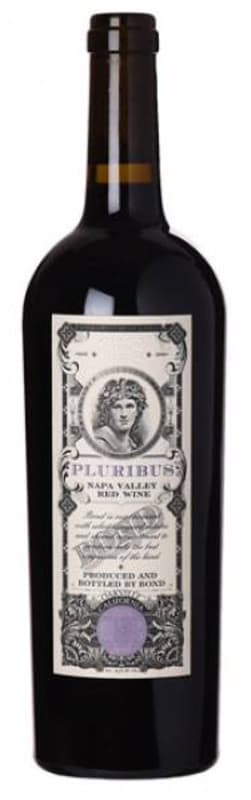


Winemaker Notes
Professional Ratings
-
Robert Parker's Wine Advocate
The 2010 Pluribus reveals classic notes of blueberry and mulberry fruit intermixed with hints of violets, incense and licorice. The striking aromatics are followed by a full-bodied, dense, supple-textured, multidimensional wine that should drink well for 25-30 years.
-
James Suckling
Extremely floral, with violets and dark berries such as blueberries. Full, bold palate with chewy tannins, warm stone and fresh herbs. Some bark and sandalwood. Chewy wine. Needs time to soften: better in 2018.
-
Wine Spectator
Dense and extracted, offering a powerful mix of loamy earth, dried berry, herb, road tar and pencil lead, this is also quite tannic and cedary. Should reward cellaring. Best from 2015 through 2028.


One of the world’s most classic and popular styles of red wine, Bordeaux-inspired blends have spread from their homeland in France to nearly every corner of the New World. Typically based on either Cabernet Sauvignon or Merlot and supported by Cabernet Franc, Malbec and Petit Verdot, the best of these are densely hued, fragrant, full of fruit and boast a structure that begs for cellar time. Somm Secret—Blends from Bordeaux are generally earthier compared to those from the New World, which tend to be fruit-dominant.

Above the town of St. Helena on the eastern slopes of the Mayacamas Mountains sits the Spring Mountain District.
A dynamic region, its vineyards, cut by numerous springs and streams, vary in elevation, slope and aspect. Soils differ throughout with over 20 distinct types inside of the 8,600 acres that define the appellation. Within that area, only about 1,000 are planted to vineyards. Predominantly farmed by small, independent producers, the region currently has just over 30 wineries.
During the growing season, late afternoon Pacific Ocean breezes reach the Spring Mountain vineyards, which sit at between 400 and 1,200 feet. Daytime temperatures during mid summer and early fall remain slightly cooler than those of the valley floor.
Spring Mountain soils—volcanic matter and sedimentary rock—create intense but balanced reds with lush and delicate tannins. The area excels with Bordeaux varieties such as Cabernet Sauvignon, Cabernet Franc and Merlot and in some cooler spots, Chardonnay.