

Winemaker Notes
Professional Ratings
-
Robert Parker's Wine Advocate
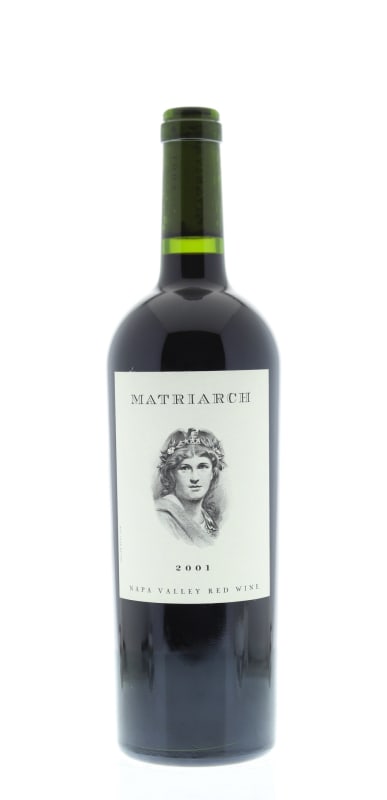
A great introduction to Bond's style is the 2001 Matriarch, which Bob Levy calls, "our elegant leftovers." This is a three-vineyard blend of the juice that was not rich or concentrated enough to be included in the single vineyard bottlings. Beautifully made, with wonderfully sweet notes of smoke, lead pencil shavings, black cherries, and cassis, an opulent texture, impressive concentration, low acidity, and silky tannin, it possesses more up-front charm and accessibility than its bigger siblings.
-
Wine Enthusiast
This second label of Bond is right up there with the named wines. It is virtually undistinguishable from Vecina, although perhaps a shade less profound and more obvious. A terrific Cabernet-based wine, rich, powerful and ageable. At less than half the price of Bond, it’s a comparative value. Editors' Choice


Undoubtedly proving its merit over and over, Napa Valley is a now a leading force in the world of prestigious red wine regions. Though Cabernet Sauvignon dominates Napa Valley, other red varieties certainly thrive here. Important but often overlooked include Merlot and other Bordeaux varieties well-regarded on their own as well as for their blending capacities. Very old vine Zinfandel represents an important historical stronghold for the region and Pinot noir is produced in the cooler southern parts, close to the San Pablo Bay.
Perfectly situated running north to south, the valley acts as a corridor, pulling cool, moist air up from the San Pablo Bay in the evenings during the hot days of the growing season, which leads to even and slow grape ripening. Furthermore the valley claims over 100 soil variations including layers of volcanic, gravel, sand and silt—a combination excellent for world-class red wine production.