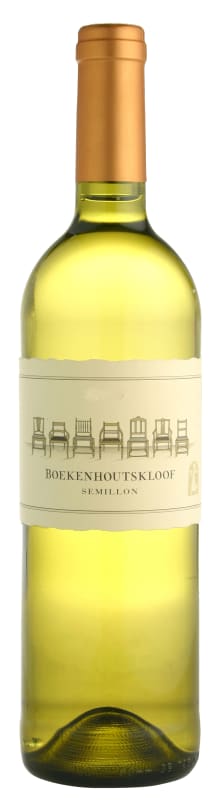


Winemaker Notes
The nose is delicate and elegant with its grapefruit, greengage, chamomile and apple blossom aromas and whiffs of exotic spice. The floral character of the nose follows through onto a richly textured mid-palate, showing yellow peach, poached pear and nectarine against a backdrop of fresh mandarin and green fig flavours with integrated acidity and a full body. The ripe stone fruit character adds to the complexity on the palate and the spicy finish with hints of fenugreek, black cardamom and Cape fynbos complements a very balanced wine.
Professional Ratings
-
Wine Spectator
This is pure and very focused, with a streamlined feel to the mix of tangerine, white peach, persimmon and singed almond notes, carried by vibrant but seamlessly integrated acidity. Shows steely cut on the finish for now, and should unwind slowly in the cellar. Sémillon and Muscat of Alexandria. Best from 2021 through 2028.
-
Robert Parker's Wine Advocate
The focus of classic botrytized wine is evident with the 2016 Noble Late Harvest Semillon, which begins with dried apricot with honey, sun-kissed raisins, spice tones of ginger and saffron, newly bloomed flower blossoms and honeysuckle. The palate is loaded with texture and weight and has an unctuous and lusciously sweet core that exudes orange marmalade and exotic spices. It is soft and focused on the long-lingering, sweet finish. This is a fine wine, and only four barrels were produced. This is special stuff, as the berries were selected over several passes. Once the hand-selected berries were inside the winery, they were then basket pressed over a two-day period. The sticky goodness was then barrel fermented and allowed to settle by way of gravity.
Rating: 90(+?)


Sémillon has the power to create wines with considerable structure, depth and length that will improve for several decades. It is the perfect partner to the vivdly aromatic Sauvignon Blanc. Sémillon especially shines in the Bordeaux region of Sauternes, which produces some of the world’s greatest sweet wines. Somm Secret—Sémillon was so common in South Africa in the 1820s, covering 93% of the country’s vineyard area, it was simply referred to as Wyndruif, or “wine grape.”

Originally named Franschhoek meaning the “French Corner” because it was home to the influx of French Huguenots, today the valley contains many historic cellars and is an important tourist location because of its proximity to Cape Town.
This valley falls to the southeast of Paarl and is enclosed on three sides by towering mountains. Streams from the slopes flow down to the valley floor, converging to form the Berg River. The area excels in the production of full-bodied reds.