


Winemaker Notes
Vatan Arena is a singular expression of one of the most spectacular ungrafted vineyards in Toro.
Professional Ratings
-
Jeb Dunnuck
A vine selection of ancient genetic material, all original massal selection, 2017 Vatan Arena offers finessed tannins that are designed to last. Full-bodied, it’s got the muscle and stuffing to shed as well, plenty to work with as it continues to develop, already lovely in a sweet, perfumed nose of nuanced balsamic and oak, with a baked quality to the berry fruit. It’s the elegance and structure that stand out most, after barrel-fermentation and then aging 36 months in barrique after a selection of the best barrels is made.
-
Wine Spectator
A rich, dense version, with a smoldering underpinning of singed apple wood layered with flavors of strawberry preserves, blackberry paste, cedar, dark chocolate and red licorice. Animated by plum skin acidity, this powerful red shows overall integration and balance but will shine brightest with short-term cellaring. Best from 2028 through 2040. 116 cases made, 50 cases imported.
-
James Suckling
Very spicy, with plenty of cloves and sweet spices on the nose. This is rich and fleshy, with vanilla and toast flavors. Incisive and firm, built on a solid tannic frame, it’s unapologetically bold.
-
Vinous
The 2017 Tinta de Toro Vatan Arena is from Villaester de Abajo, Finca Los Quemaos. This comes from just eight barrels. Blackberry and black cherry fruit aromas meet oak tones of vanilla, cedar, tobacco and dark smoke on the nose. The palate is intense, with grip and fine, reactive tannins, plus incense and musk. This is concentrated and structured, with vintage-driven power.



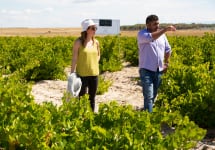
Verdejo is one of Spain’s most historic white grapes, as it has been in production since the Roman times, several thousand years ago. After over fifteen years as the lead producer of quality Verdejo in Spain, Ordóñez chose Puras, Valladolid, as the best appellation within Rueda for growing Verdejo. This isolated corner of the D.O. is home to sandy soils intermixed with river stones that were deposited tens of thousands of years ago when the Duero river was several hundred miles wide. Due to the sandy soils, this sub-appellation of Rueda, shaped like Italy’s boot, resisted the phylloxera. Bodegas Ordóñez takes advantage of this unique terroir to produce wine from its ungrafted vineyards, the oldest of which was planted in 1885. Jorge’s philosophy is to age all of their wines sur lie and barrel fermented in both stainless steel and large format, mostly used French oak.

Notoriously food-friendly, long-lasting and Spain’s most widely planted grape, Tempranillo is the star variety of red wines from Rioja and Ribera del Duero. The Rioja terms Joven, Crianza, Reserva and Gran Reserva indicate both barrel and bottle time before release. Traditionally blended in Rioja with Garnacha, plus a bit of Mazuelo (Carignan) and Graciano, the Tempranillo in Ribera del Duero typically stands alone. Somm Secret—Tempranillo claims many different names depending on location. In Penedès, it is called Ull de Llebre and in Valdepeñas, goes by Cencibel. Known as Tinta Roriz in Portugal, Tempranillo plays an important role in Port wine.

Spain's remote, high elevation Spanish wine zone between the regions of Bierzo and Ribera del Duero produces intense, full-bodied reds made from Tempranillo, locally called Tinta de Toro. This local variant has adapted to the region’s climatic extremes and recognizing its potential, top producers from Ribera del Duero and Rioja have invested heavily in its vineyards.