

Winemaker Notes
Professional Ratings
-
Wine Spectator
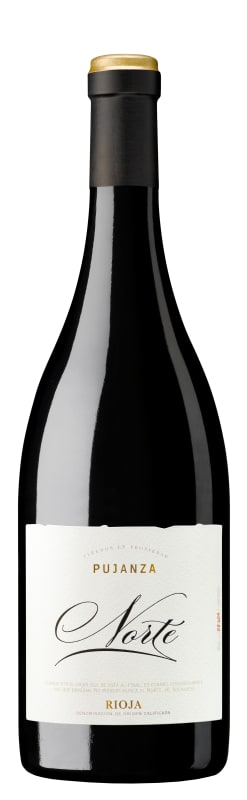
The first plot to be harvested in 2017 was the vineyard used for the 2017 Norte, as it ripened quite early, which is unusual, because it's the highest-altitude vineyard that is usually harvested last! It was bottled a little earlier. They used a little more new oak for the élevage, and there are some toasty aromas. It's a juicy and hedonistic red, and the early harvest made the alcohol level and other analytical data very similar to the 2016 I tasted next to it and also helped to balance the wine. It's still a baby, and the tannins are still quite noticeable. 11,000 bottles were filled in March 2019.
-
James Suckling
Very perfumed with blueberry, violet and lavender aromas. Full-bodied with round, velvety tannins and a flavorful finish. Some mineral and oyster-shell undertones. Needs more time to soften. Try after 2021.


Hailed as the star red variety in Spain’s most celebrated wine region, Tempranillo from Rioja, or simply labeled, “Rioja,” produces elegant wines with complex notes of red and black fruit, crushed rock, leather, toast and tobacco, whose best examples are fully capable of decades of improvement in the cellar.
Rioja wines are typically a blend of fruit from its three sub-regions: Rioja Alta, Rioja Alavesa and Rioja Oriental, although specific sub-region (zonas), village (municipios) and vineyard (viñedo singular) wines can now be labeled. Rioja Alta and Alavesa, at the highest elevations, are considered to be the source of the brightest, most elegant fruit, while grapes from the warmer and drier, Rioja Oriental, produce wines with deep color, great body and richness.